
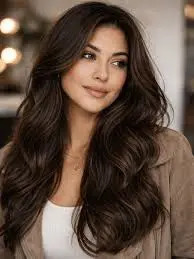
Choosing the right hair color for olive undertones is not just about picking a shade you like — it is about understanding how that color interacts with the green-gold quality unique to olive skin. The wrong shade can make your complexion look sallow, washed out, or simply flat. The right one brings out a warmth and depth that feels intentional. Whether you have warm, cool, or neutral olive skin, this guide covers the best hair colors for olive undertones across every category — brunette, blonde, red, and everything in between.
Table of Contents
Why Hair Color Matters for Olive Undertones
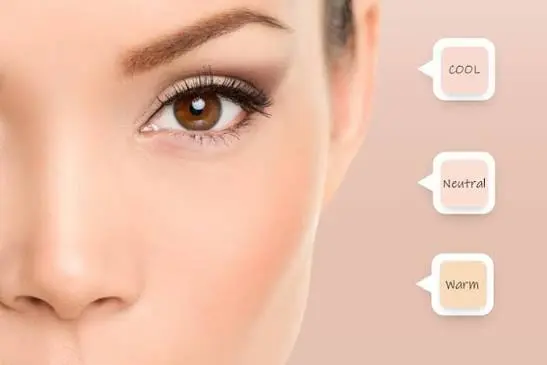
Olive undertones sit at a distinctive intersection of warm and cool. The skin carries a green or green-gold cast that can lean warm (golden-green), cool (grey-green), or sit neutrally between the two. This means standard hair color advice — “go warm if you have warm skin” — often oversimplifies, because olive undertones behave differently from purely warm or purely cool complexions.
Hair color works with skin in two main ways: it either harmonizes with the undertone by sharing similar temperature cues, or it contrasts with it to create definition and brightness. Both approaches can work beautifully on olive skin, but the key is being intentional about which effect you want and choosing a shade that achieves it cleanly. Understanding this principle before browsing shade charts will save you from colors that consistently look “almost right” but never quite land.
When thinking about hair colors for olive undertones, it also helps to consider depth — whether your olive complexion is light, medium, or deep — because depth affects which shades create the most flattering contrast. You can read more about how undertone and depth interact in our guide to best colors for olive undertones, which covers clothing and makeup alongside the color principles that apply to hair.
Understanding Your Olive Undertone Before Choosing a Hair Color
Warm Olive Undertones
Warm-leaning olive skin carries a golden-green quality. The green element is still present, but it reads alongside gold and warm brown rather than cool grey. This subtype tends to look best with hair colors that share that golden warmth — honey blonde, caramel, chestnut brown, warm auburn, and copper. These shades harmonize with the skin’s own warmth and create a cohesive, sun-kissed effect.
Cool Olive Undertones
Cool-leaning olive skin has a more pronounced grey-green or blue-green cast. This subtype often looks striking beside ash-based hair colors — ash brown, mushroom blonde, dark burgundy, and deep plum tones. These cooler shades balance the skin’s natural temperature without amplifying the green element. A cool ash or neutral-brown shade tends to look more polished on cool olive skin than any warm golden tone would.
Neutral Olive Undertones
Neutral olive is the most flexible subtype. Neither warm nor cool wins clearly in a fabric test, and the skin responds well to a broader range of shades. Neutral olive undertones can carry warm brunettes, cool blondes, and most red shades without either looking overpowering. If your olive complexion is genuinely neutral, focus more on depth and contrast than on temperature when choosing a shade.
Best Brunette Hair Colors for Olive Undertones
Brunette is arguably the most flattering category of hair colors for olive undertones, simply because the depth and richness of brown shades complement the natural warmth and earthiness of olive skin. Within the brunette range, specific shades perform differently depending on your undertone lean.
Chestnut Brown
Chestnut is one of the most consistently recommended brunette shades for olive skin, and for good reason. Its warm red-brown base adds depth and richness without pulling orange or muddy. For warm and neutral olive undertones, chestnut brown creates a harmonious result that looks natural and well-integrated with the complexion. Medium olive skin in particular responds well to chestnut — the shade matches the skin’s depth and mirrors its warmth without overpowering it.
Caramel Brown
Caramel is a warm, golden-brown shade that works particularly well on medium and deep olive complexions. It adds sun-kissed warmth to the hair and creates a sense of dimension that lifts the overall look. Caramel works best on warm-leaning olive undertones, where the golden quality in both the skin and the hair create a cohesive, glowing result. For cool olive skin, caramel can read slightly orange — a deeper, less golden version of the shade or a caramel-and-chocolate mix tends to work better in that case.
Chocolate Brown
Chocolate brown is a deeper, cooler-leaning brunette that works across all olive subtypes. Its richness provides strong contrast against both light and medium olive complexions, while its neutrality means it does not clash with either warm or cool leans. For deep olive skin, chocolate brown is particularly effective — it provides depth without looking flat, and the slight coolness in the tone prevents the shade from looking muddy against the skin’s earthy base.
Ash Brown
Ash brown is the best brunette option for cool-leaning olive undertones. Its muted, cool quality balances the green element in olive skin rather than amplifying it, and it provides a polished, sophisticated look that warm browns often cannot replicate on cool olive complexions. Mushroom brown, which sits in the same family as ash brown with slightly warmer grey notes, is another strong option for neutral-to-cool olive skin.
Balayage vs. All-Over Color for Olive Brunettes
Balayage — the technique of hand-painting lighter color through sections of the hair — tends to be particularly flattering for olive undertones because it creates dimension and movement. A well-placed caramel or chestnut balayage on a warm brunette base gives olive skin a sun-lit quality that flat all-over color rarely achieves. For cool olive skin, an ash or mushroom balayage on a chocolate base creates a similar effect with a cooler, more muted finish. All-over color works best when maintaining a natural shade close to your own depth, or when going significantly darker for high contrast.
Best Blonde Hair Colors for Olive Undertones
Blonde can be one of the most striking choices for olive skin when the right shade is selected. The contrast between lighter hair and the skin’s natural depth creates a bold, high-impact look. However, the wrong blonde can wash out the complexion or clash with the green undertone, so getting the temperature right matters significantly here.
Honey Blonde
Honey blonde is the most universally flattering blonde for olive undertones. Its warm, golden-amber quality harmonizes with the olive undertone rather than fighting it, and the depth of the shade (it sits in the medium-to-light blonde range) means it does not create a harsh contrast against the skin. Honey blonde is especially flattering on warm and neutral olive complexions, where it reads natural and sun-kissed. This shade works best applied as a balayage or highlights rather than all-over color, which can look flat.
Golden Blonde
For warm olive undertones with lighter or medium depth, golden blonde is a bold and flattering choice. Its yellow-gold warmth mirrors the golden quality in warm olive skin, creating a cohesive, warm-toned aesthetic from head to complexion. Golden blonde tends to be most successful on olive skin when it includes darker roots or lowlights for depth — without contrast, very golden blonde can make medium olive skin look washed out rather than glowing.
Ash Blonde and Mushroom Blonde
Ash blonde and mushroom blonde are the best blonde options for cool-leaning olive undertones. These muted, low-saturation blondes do not carry the yellow or golden quality that can conflict with the green element in cool olive skin. Instead, they sit at a neutral-cool temperature that creates clean contrast without the warmth. Platinum blonde — which sits at the coolest, lightest end of the blonde spectrum — also works on cool olive skin, though it requires significant upkeep and comes with a stark contrast that suits high-contrast preferences best.
What to Avoid in Blonde for Olive Skin
Very warm, golden-yellow blondes on cool olive skin often create a mismatched result where the hair looks brassy against the skin’s cool-green cast. Similarly, ash blonde on warm olive skin can look flat and disconnected — the grey-cool quality of the shade clashes with the skin’s golden warmth. Bright platinum can work on cool olive, but on warm olive it typically reads harsh and creates an unflattering color disconnect.
Best Red Hair Colors for Olive Undertones
Red is one of the most powerful hair color families for olive undertones because warm reds and cool-leaning reds both find their match within the olive spectrum. The key is matching the red’s temperature to your specific olive lean.
Auburn
Auburn — which sits at the intersection of red and brown — is perhaps the most versatile red for olive undertones across all subtypes. Warm auburn shades with a golden-red quality work beautifully on warm olive skin, adding warmth and richness simultaneously. Cooler auburn shades (those with a more wine-like or raspberry quality) tend to complement neutral and cool olive undertones well. Auburn is also one of the more low-maintenance red options, since it grows out naturally and does not fade to brassy or flat tones the way brighter reds can.
Copper Red
Copper is a warm, golden-orange red that works best on warm-leaning olive undertones. The bronze-gold quality in copper hair echoes the golden element in warm olive skin, creating a rich, harmonious result. Copper can look particularly striking on medium olive skin where the depth contrast between skin and hair creates a warm, glowing effect. On cool olive skin, copper can read too orange and clash with the skin’s grey-green quality — a deeper, more wine-tinged red is a better fit in that case.
Burgundy and Deep Wine Red
Burgundy and deep wine red shades work across all olive subtypes but are particularly flattering on cool and neutral olive skin. The cool-leaning quality of burgundy complements the blue-green cast in cool olive undertones without amplifying the greenness, and the depth and richness of the shade creates strong contrast against medium and deep olive complexions. Burgundy is also one of the most forgiving red shades — it fades gradually and maintains its depth even as the color ages.
Cherry Red and Bright Red
Bright cherry red and pure red shades create the most dramatic contrast with olive skin. These shades work best on neutral olive undertones, where neither the warmth nor the coolness of the red creates a direct conflict. On warm olive skin, very warm-toned bright reds can merge with the skin’s own warmth and look less impactful. On cool olive skin, very warm reds may clash with the grey-green cast. A blue-red shade, which sits between warm and cool, tends to be the safest bright red option for olive undertones of any lean.
Hair Colors to Avoid for Olive Undertones
Knowing which shades to avoid is as useful as knowing which ones work. A few categories consistently create problems for olive skin regardless of undertone lean.
Warm golden yellows and bright mustard-adjacent hair colors tend to amplify the yellow-green quality of olive undertones rather than balancing it. Very pale, icy, or ash-white blondes that lack depth can create a washed-out effect against medium and deep olive skin, even on cool olive complexions. Highly saturated orange-based colors — including some copper shades and warm orange balayages — can clash with the green element in the undertone regardless of temperature lean. Cool icy pastels (lavender, icy pink, pale lilac) tend to look disconnected against olive skin at any depth because they introduce a sheer, low-pigment quality that the undertone overwhelms.
How to Maintain Hair Color on Olive Skin
Color maintenance matters for olive skin because faded or brassy hair can create a color mismatch against the undertone. A warm blonde that fades to yellow looks worse against olive skin than a darker, more stable shade; a cool ash that fades to warm beige stops doing its job of balancing the green cast.
For warm brunettes and auburns, a color-safe sulfate-free shampoo and conditioner used consistently prevents fading. A weekly gloss treatment or in-shower toning gloss refreshes warmth without the commitment of full re-coloring. For ash and cool shades, a purple or blue toning shampoo used once or twice a week controls brassiness and keeps the cool quality intact. For all color-treated hair on olive skin, heat protectant before styling is essential — heat fading accelerates brassiness, and brassy hair is particularly unflattering against olive undertones.
FAQ: Hair Colors for Olive Undertones
What is the best hair color for olive undertones?
The best hair colors for olive undertones depend on your specific lean. Warm olive skin responds best to honey blonde, chestnut, caramel, copper, and warm auburn. Cool olive skin suits ash brown, mushroom blonde, burgundy, and cool ash blonde. Neutral olive undertones can carry most shades when the depth is right.
Can olive skin go blonde?
Yes. Honey blonde and golden blonde work well on warm olive undertones. Ash blonde and mushroom blonde suit cool olive skin. Platinum blonde can work on cool olive but requires significant maintenance. Very icy or yellow-golden blondes tend to clash with olive undertones regardless of lean.
What brunette shade is best for olive skin?
Chestnut brown is widely considered the most consistently flattering brunette for olive undertones. Caramel suits warm olive, ash brown suits cool olive, and chocolate brown works across all subtypes. Balayage techniques in these shades add dimension that flat all-over color does not.
Is red hair flattering on olive skin?
Red hair is very flattering on olive undertones when the right shade is chosen. Auburn and deep wine red work across all olive subtypes. Copper suits warm olive. Burgundy suits cool and neutral olive. Bright cherry red and blue-red shades work best on neutral olive.
What hair colors should olive skin avoid?
Avoid bright mustard-yellow blondes, icy platinum without depth, very warm orange-based colors on cool olive, and pale pastels across all olive depths. These shades either amplify the green cast in the undertone or create a mismatch in temperature that looks disconnected.
Does balayage work for olive skin?
Balayage is particularly flattering for olive skin because it adds dimension and avoids the flat effect that all-over color can create. A chestnut or caramel balayage on warm olive skin and an ash or mushroom balayage on cool olive skin are both excellent choices.
How do I maintain my hair color if I have olive skin?
Use a sulfate-free color-safe shampoo and conditioner consistently. For ash and blonde shades, add a toning purple shampoo once or twice a week to control brassiness. Use a heat protectant before styling to prevent fading. Refresh warm shades with a gloss treatment every few weeks.
Can deep olive skin go blonde?
Yes, but depth contrast matters. Deep olive skin with very light blonde creates a high-contrast, bold look that works if the blonde temperature aligns with the undertone. Honey or golden blonde on warm deep olive creates warmth without looking disconnected. Cool ash blonde on cool deep olive creates a striking contrast with a polished finish.
Final Thoughts
The best hair colors for olive undertones are not one-size-fits-all. They depend on whether your olive skin leans warm, cool, or neutral, and on how much depth contrast you want to create. Warm olive skin glows beside honey blonde, chestnut, caramel, copper, and warm auburn. Cool olive skin looks polished with ash brown, mushroom blonde, burgundy, and cool-leaning reds. Neutral olive has the most flexibility and does best when focusing on depth and saturation. Start with your temperature lean, decide on your depth contrast preference, and choose within those parameters — and the result will feel intentional rather than accidental.