
If you have ever searched for an olive undertone FAQ, you already know the frustration: most guides either bury the answers inside long lifestyle articles or only cover one narrow angle, like warm versus cool. This page pulls together the olive undertone questions people ask most often, from spotting the undertone in the first place to picking makeup, skincare, and jewelry that actually work with it. Every answer here leads with the direct response first, then gives just enough context to make it useful. Whether you are confirming your undertone for the first time or troubleshooting why your usual colors stopped working, you should find your answer below.
Table of Contents
What Is an Olive Undertone? (Quick Answer)
An olive undertone is a distinct undertone category marked by a subtle green or golden-green cast beneath the skin, separate from the standard warm, cool, or neutral classifications. It shows up across a wide range of skin depths and ethnic backgrounds, and it tends to tan easily while rarely burning. Olive undertone is not the same thing as “olive skin tone,” which describes surface depth and appearance, though the two terms often get used interchangeably.
How Olive Undertone Differs From Warm, Cool, and Neutral
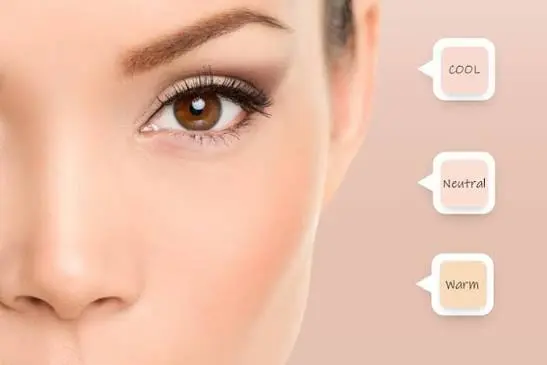
Warm undertones lean yellow or golden, cool undertones lean pink or blue, and neutral undertones sit in an even balance of the two without a distinct color cast. Olive undertone adds a genuine green quality on top of that warm-cool mix, which is why foundations built for the standard three categories so often misfire on olive skin. A pink-based foundation can look too pink, a yellow-based one can look too yellow, and even a “neutral” shade can still look slightly off. This is the core reason olive deserves its own category rather than being folded into “neutral.”
How Do I Know If I Have an Olive Undertone? (Testing FAQ)
The fastest way to confirm an olive undertone is to combine two or three simple tests rather than relying on just one. No single test is fully reliable on its own, since lighting, skin depth, and personal variation can all skew an individual result. Running the vein test, jewelry test, and sun test together gives a much clearer picture than any one check in isolation.
The Vein Test
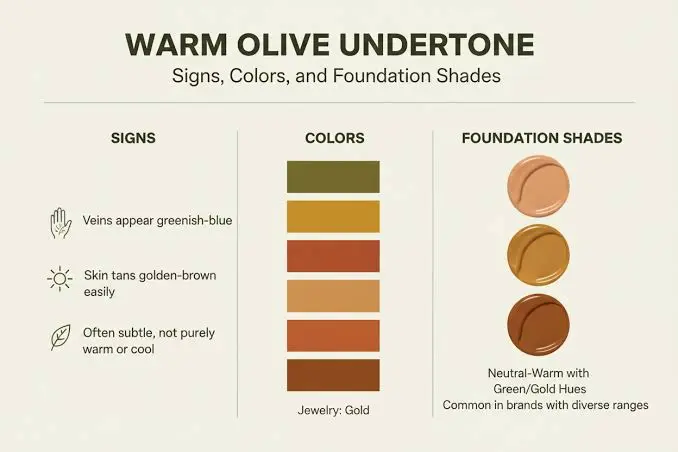
Look at the veins on the inside of your wrist in natural daylight. If they appear more green than clearly blue or purple, or if you see a genuine mix of blue and green, that points toward an olive undertone. This test is a useful starting clue, but it should not be treated as the final word, since vein color can shift slightly with lighting and skin depth.
The Jewelry Test
Hold both gold and silver jewelry against your skin in natural light. If gold consistently looks richer and more flattering than silver, that leans toward a warmer olive undertone. If both metals look reasonably good, with only subtle differences between specific finishes, that often points to a more neutral-olive undertone.
The Foundation Test
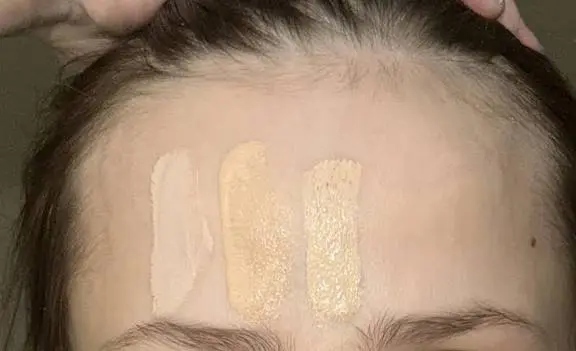
If most foundations turn orange, pink, or ashy on your skin despite matching your depth correctly, that is a strong sign of an olive undertone. Standard warm or cool formulas rarely account for the green cast, which is why so many people with olive undertones describe a lifetime of foundation frustration. Seeking out shades labeled “olive,” “neutral-olive,” or “golden-olive” usually solves this mismatch.
The Sun Test
Olive undertones typically tan easily and rarely burn, deepening into a golden or bronze shade rather than turning red or pink. This response relates to how the skin reacts to UV exposure rather than to undertone temperature directly, but it remains a useful supporting clue when combined with the other tests. Do not use direct sun exposure as a deliberate test method; simply reflect on your skin’s typical response to normal daily sun.
The White Paper Test
Hold a plain white sheet of paper next to your face in natural daylight and observe how your skin reacts against it. Warm undertones tend to look golden next to white, cool undertones look pink or rosy, and olive undertones typically show a subtle green or grey-green cast that neither warm nor cool skin produces. This test works well as a tiebreaker when the vein and jewelry tests feel inconclusive.
Is Olive Undertone Warm or Cool? (The Question People Ask Most)
Olive undertone can be warm, cool, or neutral. Olive describes the greenish quality of the skin, while warm, cool, and neutral describe which direction of color looks most flattering next to it, and these two things are not the same. This is the single most common point of confusion in every olive undertone FAQ, since people expect “olive” to be its own temperature rather than a separate quality layered on top of one.
Warm-Olive
A warm-olive undertone leans more golden within the green base and tends to look most balanced next to warm ivory, tomato red, camel, and golden brown. Rich yellow gold jewelry and warm gemstones like citrine and amber typically suit this subtype particularly well. If gold consistently outperforms silver in your jewelry test, and warm reds look more flattering than cool ones, warm-olive is the likely fit.
Cool-Olive
A cool-olive undertone still carries the green base but reads slightly greyer or more muted, and it tends to look clearer next to cool white, blue-red, charcoal, and berry tones. This subtype can often handle a bit more white gold or platinum than a warm-olive undertone, particularly when paired with a warm-leaning gemstone. If cool colors consistently look cleaner on you than warm ones, cool-olive is the more likely match.
Neutral-Olive
A neutral-olive undertone sits between the two, handling both warm and cool colors reasonably well as long as the depth and intensity are well matched. This is often the most flexible of the three subtypes, comfortably wearing yellow gold, rose gold, and even carefully chosen white gold. If your results from the tests above keep landing in the middle, without a clear lean toward warm or cool, neutral-olive is the most likely answer.
| Subtype | Best Metals | Best Colors | Jewelry Test Result |
|---|---|---|---|
| Warm-olive | Yellow gold, antique gold | Tomato red, camel, golden brown | Gold clearly outperforms silver |
| Cool-olive | White gold, oxidized silver | Cool white, charcoal, berry | Both work, cool slightly cleaner |
| Neutral-olive | Yellow gold, rose gold, white gold | Balanced navy, medium muted tones | Both metals look equally good |
Olive Undertone FAQ: Makeup and Foundation Questions
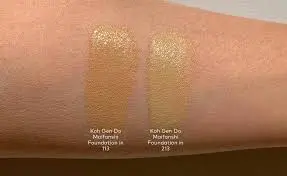
Why does foundation always look orange or pink on my olive undertone? Most foundation formulas are built around the standard warm, cool, or neutral categories and do not account for the added green cast in olive skin. A warm-leaning shade oxidizes into an orange cast, while a cool-leaning shade can sit as too pink, and even a “neutral” shade often still misses the mark. Seeking out shades specifically labeled for olive or neutral-olive undertones solves this in most cases.
Can I fix a foundation that oxidizes orange on my olive undertone? Yes, a small amount of green-tinted color corrector mixed into a too-warm foundation can neutralize the orange drift without needing to buy a new shade entirely. Apply a thin layer, blend well, and always check the result in natural daylight rather than indoor lighting, since indoor bulbs can hide an orange cast that becomes obvious outdoors.
What blush and bronzer shades work best for an olive undertone? Muted rose, terracotta, warm berry, and toasted peach tend to look the most natural on olive undertones. Bronzers with golden or olive-leaning undertones add warmth without creating a muddy or overly orange effect, and a light hand generally works better than heavy application.
Do I need a special primer for an olive undertone? Not necessarily, but a green-tinted primer can help calm surface redness without flattening the natural warmth of an olive complexion. This is optional rather than essential, and many people with olive undertones get excellent results without one.
What eyeshadow shades work best for an olive undertone? Warm browns, deep plum, pine green, and chocolate tones tend to look the most natural, since they echo the same warm-earthy quality that suits olive skin elsewhere. Silvery-white shimmer and very icy pastel shadows are the shades most likely to look chalky or mismatched against the same undertone.
Should I choose warm or cool concealer for an olive undertone? Most olive undertones do best with a concealer that leans slightly warm or olive-specific rather than a strictly cool or pink-based formula, since cool concealers can create a visible grey or ashy patch under the eyes. If under-eye concealer consistently oxidizes or looks disconnected from your foundation, switching to an olive-specific shade usually resolves it.
Olive Undertone FAQ: Skincare Questions
Does an olive undertone need different skincare than other undertones? The undertone itself does not change your skincare needs directly, but olive complexions are commonly associated with a higher risk of hyperpigmentation due to typically higher melanin content. This makes consistent sun protection and gentle brightening ingredients especially useful for maintaining an even tone over time.
What ingredients help most with hyperpigmentation on olive skin? Vitamin C, niacinamide, and azelaic acid are commonly recommended for addressing uneven pigmentation, alongside daily broad-spectrum SPF 30 or higher. Gentle exfoliation with a mild acid one to three times a week can also help without over-irritating the skin, which can otherwise trigger new dark spots.
Is daily sunscreen really necessary if my olive skin rarely burns? Yes. Rarely burning does not mean the skin is immune to sun damage or pigmentation changes, and olive undertones are still prone to dark spots from unprotected UV exposure. Daily SPF remains one of the most effective ways to prevent uneven tone regardless of how easily your skin tans.
Why does my olive skin look grey or ashy under certain lighting? Indoor LED lighting in particular can exaggerate the green cast in an olive undertone, making the skin look flatter or greyer than it does in natural daylight. Always judge foundation, blush, or a new skincare glow in natural light before deciding a product is not working.
Can exfoliating too often make hyperpigmentation worse on olive skin? Yes, over-exfoliating can irritate the skin and trigger new post-inflammatory dark spots, which tend to be more noticeable and slower to fade on olive undertones. Limiting chemical exfoliation to one to three times a week, depending on your skin’s sensitivity, usually strikes the right balance.
Olive Undertone FAQ: Jewelry and Color Questions
Does gold or silver look better on an olive undertone? Gold, particularly yellow gold, tends to look more flattering on most olive undertones, since its warm color family echoes the golden-green base of the skin. Silver is not off-limits, but oxidized or antique silver finishes typically perform better than bright polished silver, which can look colder by comparison. A full breakdown of metals and gemstones that flatter this undertone, including a complete comparison table, is covered in our guide to jewelry for olive undertones.
What clothing colors work best for an olive undertone? Earthy, muted, and jewel tones tend to work well across most olive undertones, including emerald, terracotta, deep teal, and warm brown. Icy pastels, neon shades, and stark whites are the categories most likely to wash out an olive complexion, regardless of which warm, cool, or neutral subtype you fall into.
Are there specific gemstones that flatter an olive undertone more than others? Green and earthy gemstones such as emerald, citrine, garnet, and amber tend to flatter olive undertones particularly well, since they echo or complement the skin’s natural warmth and green base. Icy blue or pale pink stones are more likely to create a cold contrast, especially when set in bright silver rather than gold.
Can olive undertones wear bright, saturated colors? Yes, and often more successfully than muted or dusty tones, which can sometimes look flat against olive skin. Rich jewel tones like emerald, sapphire, and deep berry tend to create contrast that reads as vibrant rather than overwhelming.
Olive Undertone FAQ: Hair and Eye Color Questions
What hair colors pair best with an olive undertone? Warm chocolate brown, chestnut, and deep caramel tend to complement warm-olive and neutral-olive undertones particularly well, while cooler ash brown or deep espresso can suit cool-olive undertones. Very warm, brassy yellow-blonde shades are the most likely to clash, since they can emphasize sallowness rather than brightening the complexion.
Do olive undertones typically have a specific eye color? There is no fixed eye color tied to olive undertones, since the undertone is a skin quality rather than a genetic package that determines eye color. That said, olive undertones are frequently paired with brown, hazel, or deep green eyes across the populations where this undertone is most common, though plenty of exceptions exist.
Does hair color change how makeup should be chosen for an olive undertone? Hair color can shift overall contrast more than it changes which undertone-based colors work, so a very dark-haired, olive-undertone person may want slightly richer, more saturated makeup shades to match that contrast. The core undertone logic, avoiding icy pastels and leaning into warm or jewel-toned shades, stays consistent regardless of hair color.
Common Myths About Olive Undertones
Myth: Olive undertone always means warm undertone. This is one of the most persistent misconceptions. Olive describes a green cast layered on top of the warm-cool spectrum, and an olive undertone can lean warm, cool, or neutral depending on the individual, not automatically warm.
Myth: The vein test alone can confirm an olive undertone. Vein color is a useful clue, but lighting, skin depth, and individual variation can all affect the result. Combining the vein test with the jewelry test, foundation test, and sun test gives a far more reliable answer than any single method.
Myth: Olive undertones can only wear muted, earthy colors. While earthy tones do flatter many olive undertones, rich jewel tones and saturated colors often work just as well, sometimes better. Overly muted, dusty shades can occasionally make olive skin look flat rather than enhanced.
Myth: A tan changes your underlying undertone. Tanning changes the surface depth of the skin, but it does not change the underlying undertone itself. Someone with a cool-olive undertone remains cool-olive at their base even after a deep summer tan, though the exact shades that flatter them may shift slightly with the added depth.
Myth: Olive undertone and olive skin tone mean the same thing. Olive skin tone typically refers to surface depth and appearance, while olive undertone refers specifically to the underlying color quality beneath the skin. The two terms overlap in everyday use, but a person can technically have an olive undertone at almost any surface depth, from fair to deep.
Quick-Reference FAQ
What ethnicities most commonly have olive undertones? Olive undertones appear across many backgrounds, most commonly associated with Mediterranean, Middle Eastern, South Asian, and Latin American heritage, though they can occur in any ethnicity.
Is olive skin the same thing as tan skin? No. Olive describes an undertone quality present in the skin at any depth, while tan describes a temporary surface darkening from sun exposure. A person can have an olive undertone whether their skin is fair, medium, or deep.
Why do some foundations labeled “neutral” still look wrong on olive skin? Standard neutral shades balance warm and cool tones but rarely account for the added green cast specific to olive undertones. This is why shades labeled specifically “olive” or “neutral-olive” tend to perform better than generic neutral options.
Can olive undertones change with age? The underlying undertone itself tends to stay consistent throughout life, though surface tone, pigmentation, and sun exposure patterns can shift how the skin appears over time. If your usual colors or foundation start looking off after several years, it is worth retesting rather than assuming your undertone changed.
Do olive undertones need a different approach to seasonal color analysis? Yes, in many cases. Olive undertones most often fall into Warm Autumn, Deep Autumn, or Cool Winter seasonal categories, depending on their specific warm, cool, or neutral lean, and a color analysis that does not account for olive as its own category can produce a mismatched result.
Is it possible to have an olive undertone without realizing it? Yes, this is actually common, since many people are told they are simply “warm” or “neutral” without ever being offered olive as an option. A history of foundation shades oxidizing strangely, combined with a genuine green cast in the white paper test, is often the first real clue that olive was the missing category all along.
Do men’s grooming and skincare needs differ for an olive undertone? The core undertone logic stays the same regardless of gender, so the same testing methods, sun protection habits, and color guidance apply. The main practical difference tends to be product formulation and marketing rather than any change in how the undertone itself behaves.
Final Thoughts
Every question in this olive undertone FAQ points back to the same core idea: olive is its own distinct category, not a shade of warm or cool, and confirming it takes more than one quick test. Combining the vein, jewelry, foundation, and sun tests gives a far more reliable answer than relying on any single method, and understanding whether you lean warm-olive, cool-olive, or neutral-olive sharpens every decision that follows, from foundation shade to jewelry metal to everyday color choices. If you still have specific olive undertone questions after working through this guide, the testing and warm-versus-cool sections above are the best starting point to revisit.