
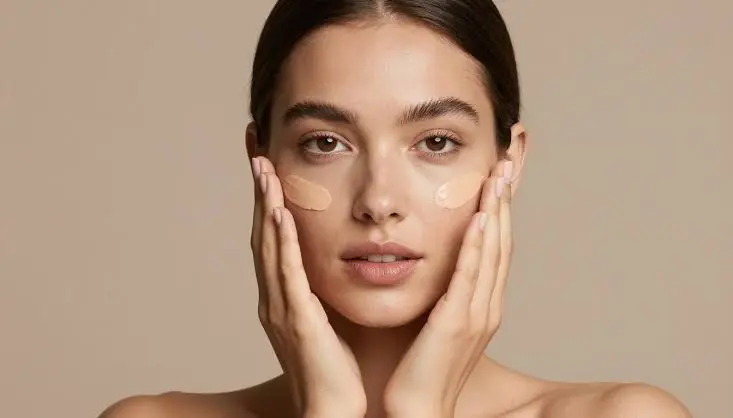
Finding foundation for olive undertones can feel like a guessing game. Standard warm and cool shade ranges rarely account for the green-gold cast that defines olive skin, which leaves many people cycling through bottles that oxidize orange, sit ashy, or simply never quite disappear into the skin. This guide breaks down what an olive undertone really is, how to test for one at home, and how to choose the formulation, coverage, and finish that will actually match. Whether you have a light olive complexion or a deep olive tone, you’ll leave with a clear system for picking foundation shades that blend rather than sit on top of your skin.
Table of Contents
What Does an Olive Undertone Actually Mean?
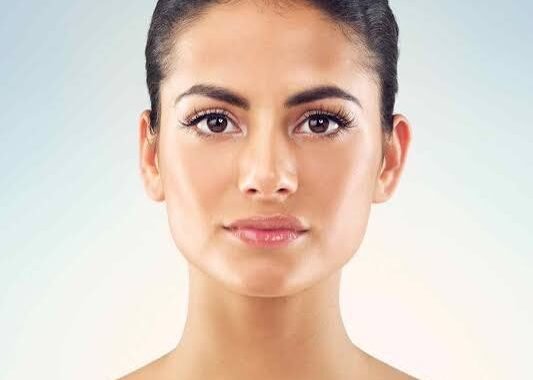
An olive undertone is a mix of warm and cool pigments with a distinct green or gold cast running underneath the skin. It sits between traditional warm and cool categories, which is exactly why so many foundation lines struggle to cover it well. People with olive undertones often notice their skin looks slightly muted or grayish in some lighting and golden or bronzed in others.

This undertone shows up across a wide range of skin depths, from very fair to deep, and across many ethnic backgrounds, including Mediterranean, Middle Eastern, South Asian, Latin American, and East Asian skin. That range is part of why a single “olive shade” rarely exists on a brand’s shelf. Instead, olive undertones need a foundation match built around the underlying color, not just the depth of the skin.
Warm Olive, Cool Olive, and Neutral Olive Explained
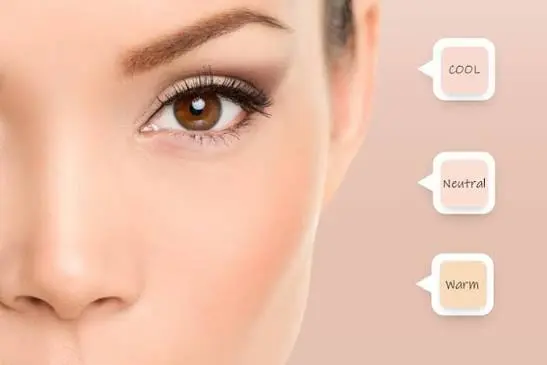
Within the olive category, there are three common subtypes. Warm olive leans slightly golden or yellow-green, cool olive leans slightly gray-green, and neutral olive sits in between, showing minimal warmth or coolness. Knowing which subtype you fall into narrows down the shade names to look for, since brands increasingly label shades as “olive,” “neutral olive,” or “golden olive” within their range.
If your hair color and overall coloring lean warm, for example, rich brunette or golden-brown tones, that can be a useful clue toward a warmer olive subtype. For a deeper look at how hair shade pairs with olive coloring, this guide to hair colors for olive undertones breaks down which tones typically complement each subtype.
How to Test for an Olive Undertone Before You Shop
Before buying any foundation, it helps to confirm your undertone using a few simple, no-cost tests. These methods work best in natural daylight, since indoor lighting can distort how pigments read on the skin. Doing even one of these tests can save you from buying a shade that looks fine at home but shifts orange or ashy outdoors.
The Vein Test
Look at the veins on the inside of your wrist in natural light. Green-toned veins generally point to a warm or olive undertone, while blue or purple veins suggest a cool undertone. If you can’t clearly tell whether your veins read green or blue, that ambiguous result is itself a common sign of an olive or neutral undertone.
The Jewelry Test
Hold gold jewelry and silver jewelry against your skin and note which one looks more flattering. Gold usually complements warm and olive undertones, while silver flatters cool undertones. If both metals look equally good, that balance often signals a neutral olive undertone rather than a clearly warm or cool one.
The White Paper Test
Hold a plain white sheet of paper next to your bare face in daylight. If your skin looks slightly green, gold, or muted rather than pink or yellow, that supports an olive undertone. This test is especially useful because it isolates your skin’s true cast without any makeup or lighting filters interfering.
How to Choose the Best Foundation for Olive Undertones
Once you know your undertone, the next step is matching formulation, coverage, and finish to your skin’s needs. Olive skin can run oily, dry, combination, or acne-prone just like any other undertone, so the “best” foundation isn’t one product; it’s the right combination of attributes for your specific skin.
Match by Formulation Type
Liquid foundations remain the most flexible option and typically offer the widest olive-specific shade range, since brands can adjust pigment ratios more precisely in liquid form. Stick and cream foundations tend to give higher, more buildable coverage, which works well for covering redness, scarring, or uneven texture. Powder and tinted formulas suit lighter coverage needs and oilier skin types that want a more matte, long-wearing finish.
Match by Coverage Level and Finish
Sheer coverage lets more of your natural skin show through, which works well if your olive undertone is already fairly even. Medium coverage is the most versatile choice for everyday wear, balancing coverage with a natural look. Full coverage suits special occasions or skin concerns like active breakouts, hyperpigmentation, or scarring, though it should still be buildable rather than heavy or cakey.
For finish, matte formulas suit oily and combination skin and photograph well for events, while dewy and natural finishes tend to flatter drier olive skin by adding radiance rather than emphasizing dryness. Testing both finishes on your jawline in daylight is the fastest way to see which one your specific skin prefers.
Avoiding Common Shade-Matching Mistakes
Oxidation is one of the biggest frustrations for olive undertones, since a shade that looks perfect at the counter can shift several tones darker or more orange within an hour of wearing it. To account for this, testing a shade for at least thirty minutes before buying is far more reliable than judging it immediately after application. SPF in many foundations can also cause a gray or ashy cast known as flashback, particularly in photos, so checking a formula’s finish in both daylight and flash photography helps avoid an unpleasant surprise later.
Another common mistake is testing shades only under indoor store lighting, which often skews warm or yellow compared to daylight. Whenever possible, step outside or near a window before finalizing a shade choice. Buying a sample size or asking for a swatch to test at home overnight remains the single best way to confirm a true match.
Best Foundation Shade Families for Olive Undertones
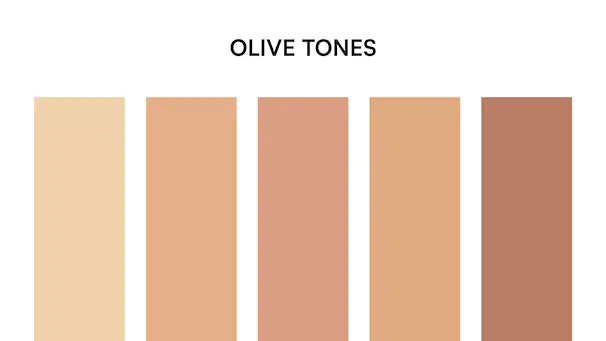
Because olive undertones span such a wide range of depths, it helps to think in terms of shade families rather than a single universal olive shade.
Light and Fair Olive
Light and fair olive undertones typically look for shades labeled ivory, light beige, or fair neutral with a slight green or gold cast rather than pink. These shades are often the hardest to find well-matched, since many “fair” ranges default to pink or peach undertones instead. Brands with wider undertone-specific naming, rather than just numbered depth scales, tend to offer better options here.
Medium Olive
Medium olive undertones generally suit shades named golden beige, honey, or neutral tan, often with the word “olive” explicitly in the shade name. This depth range has expanded the most in recent years as more brands add dedicated olive shades between their warm and neutral lines.
Deep Olive
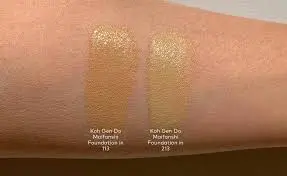
Deep olive undertones typically match best with shades labeled deep golden, caramel olive, or rich neutral tan. Because deeper olive shades can lean warm in some lines and cool in others, checking swatches against the inner forearm in daylight is especially important at this depth to avoid an ashy or overly orange result.
Application Tips That Help Olive Skin Look Its Best
A well-prepped base makes any foundation shade perform better on olive skin. Starting with a hydrating moisturizer and letting it fully absorb prevents patchiness, especially with matte formulas that can otherwise cling to dry areas. Applying foundation with a damp sponge tends to sheer out the product naturally, which helps avoid the overly opaque look that can happen with drier application tools.
Blending down to the neck and jawline, not just the face, is essential for catching any undertone mismatch before leaving the house. Setting with a translucent, undertone-neutral powder in the T-zone helps control oil through the day without disrupting the foundation’s color underneath. Checking your finished look in both daylight and indoor lighting before heading out remains the most reliable final check.
Frequently Asked Questions
How do I know if I have an olive undertone?
The clearest signs are green-toned veins, a preference for gold over silver jewelry, and skin that looks slightly green or gold rather than pink next to white paper in daylight.
Why does my foundation turn orange after a few hours?
This is oxidation, a common issue with olive and deeper undertones where certain formulas shift color after exposure to air and oil. Testing a shade for at least thirty minutes before buying helps predict this shift.
What’s the difference between olive and warm undertones?
Warm undertones lean yellow or golden without a green cast, while olive undertones carry a distinct green or muted quality alongside warmth, which is why they often need shades labeled specifically “olive.”
Can olive undertones be cool instead of warm?
Yes. Cool olive undertones exist and lean slightly gray-green rather than golden, which is why the vein and jewelry tests sometimes give mixed results for people with this subtype.
Do I need a different foundation for summer versus winter?
Many people with olive undertones do shift slightly with sun exposure, so keeping two nearby shades, one for lighter months and one for tanned skin, is a common and practical solution.
Final Thoughts
Matching foundation for olive undertones comes down to understanding your specific subtype, testing accurately in daylight, and choosing a formulation that suits both your undertone and your skin type. The green-gold cast that defines olive skin is not a flaw to work around; it’s simply a different starting point that needs the right shade family and finish. With the testing methods and shade guidance above, you can shop with confidence instead of guessing, and finally find a foundation that blends seamlessly rather than sitting on top of your skin.