
Finding the best colors for olive undertones can feel confusing because olive skin does not sit neatly inside “warm” or “cool” categories. It carries green, gold, and gray all at once, so generic color advice often falls flat. The good news is that once you understand your specific undertone and depth, dressing well becomes simple and repeatable. This guide breaks down exactly which shades bring out your natural glow, which ones wash you out, and how fabric and lighting change the outcome. By the end, you will have a clear, practical color plan you can use every time you shop or get dressed.
Table of Contents
What Are Olive Undertones?
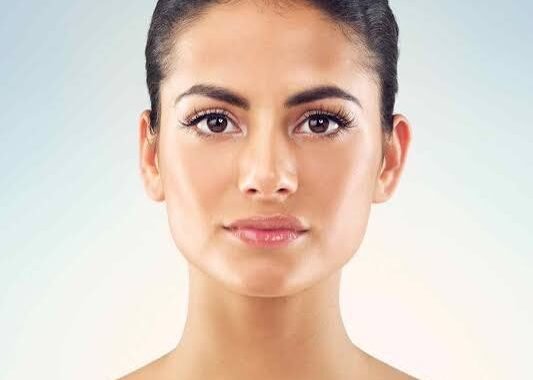
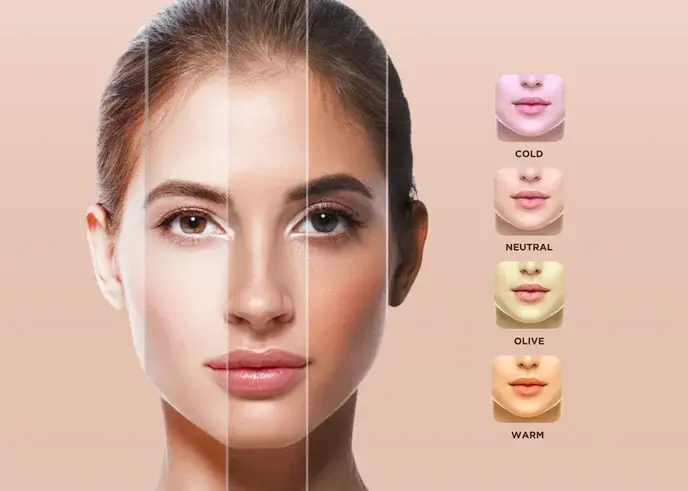
Olive undertones describe a complexion with a subtle green, gold, or grayish cast beneath the skin’s surface tone. It is one of the few undertones that genuinely blends warm and cool qualities instead of leaning fully into one side. People with olive skin usually tan quickly, rarely burn, and often notice that both gold and silver jewelry look decent, even if neither looks perfect. Understanding this blended quality is the starting point for choosing the best colors for olive undertones, because it explains why some “warm” or “cool” advice never quite fits.
The Green and Gold Signature
The defining trait of olive skin is a faint green tint that becomes more visible in certain lighting, especially bright daylight or cool fluorescent bulbs. Some people notice more yellow-green, others more gray-green, and this small difference changes which shades work best. Olive skin also tends to hold color well after sun exposure, developing a golden or bronze cast rather than pink or red. This greenish base is exactly why colors like clean jewel tones and warm earth shades tend to look so good, since they either complement or gently counteract that tint.
How Olive Differs From Warm or Cool Skin
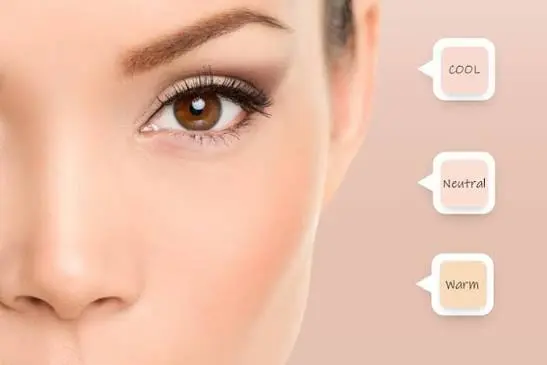
Warm skin leans fully into gold, peach, and yellow, while cool skin leans into pink, blue, and red. Olive skin sits between these two categories, which is why traditional seasonal color systems sometimes mislabel it as simply “neutral.” In reality, olive is its own distinct undertone with its own rules, not just a compromise between warm and cool. Once you stop trying to force olive skin into one of the two standard boxes, choosing the best colors for olive undertones becomes far more intuitive.
How to Identify Your Olive Undertone
You can identify your olive undertone through three quick home tests: checking your veins in natural light, noticing which jewelry metal looks better, and testing how your skin reacts to a swatch of fabric near your face. Green or blue-green veins usually point to an olive base rather than a purely warm or cool one. If gold jewelry looks slightly muddy but silver looks a bit dull too, that in-between reaction is a strong olive signal. Testing in real daylight matters far more than testing under phone camera filters, which often correct away the very green tone you are trying to identify.
The Vein and Jewelry Test
Look at the inside of your wrist in natural daylight, away from any yellow indoor bulbs. Green veins suggest a warmer olive lean, while blue or blue-green veins suggest a cooler olive lean. Next, hold a gold item and a silver item near your jaw and compare which one makes your skin look brighter and more even. Most olive-skinned people find that both metals work reasonably well, but one usually edges ahead depending on whether their olive tone runs warmer or cooler.
Warm Olive vs Cool Olive vs Neutral Olive
Warm olive skin shows a golden-green cast and responds beautifully to terracotta, rust, mustard-adjacent ochre, and warm camel. Cool olive skin carries more blue-green or gray-green depth and looks best in periwinkle, slate, plum, and deep berry shades. Neutral olive sits in the middle and can borrow safely from both directions, working well in taupe, teal, and soft navy. The table below summarizes the fastest way to sort yourself into one of these three groups.
| Undertone Type | Vein Color | Jewelry That Flatters | Best Color Direction |
|---|---|---|---|
| Warm Olive | Green | Gold | Terracotta, rust, warm camel |
| Cool Olive | Blue-green | Silver | Periwinkle, plum, slate |
| Neutral Olive | Blue-green, mixed | Both | Taupe, teal, soft navy |
Best Colors for Olive Undertones by Category
The best colors for olive undertones generally fall into four groups: warm earth tones, rich jewel tones, warm neutrals, and select metallics. Each group works because it either mirrors the golden warmth in olive skin or provides balanced contrast without fighting the green base. Earth tones bring out a sun-kissed glow, while jewel tones add depth and drama for evening looks. Neutrals and metallics fill in the gaps, giving you flexible basics that pair with almost everything else in your closet.
Warm Earth Tones
Terracotta, burnt sienna, rust, cinnamon, and warm camel form the foundation of nearly any olive-friendly wardrobe. These shades add reddish warmth that counters the green in olive skin instead of amplifying it, which is why they read as flattering rather than muddy. A terracotta sweater or a rust-colored jacket near the face tends to look far more alive than a plain beige version of the same piece. These colors also photograph well, since warm earth tones hold their richness under most lighting conditions.
Rich Jewel Tones
Teal, aubergine, deep coral, emerald, and burgundy give olive skin the saturation it can genuinely handle. Teal in particular plays off the green undertone in a complementary way rather than clashing with it, which surprises people who assume all greens are risky. Aubergine and burgundy add depth for evening or formal occasions without draining warmth from the face. These jewel shades work especially well in silk, velvet, or any fabric with a bit of sheen.
Warm Neutrals
Ivory, warm gray, espresso, and stone replace the flatter effect that stark white or pure black can create on olive skin. Ivory in particular does the job that white is supposed to do, brightening the face, without the harsh grayish contrast that true white sometimes produces. Espresso brown works as a rich alternative to black, especially for coats, trousers, and bags. These neutrals are meant to be your everyday backbone, the pieces you build outfits around before adding a statement color.
Metallics and Accents
Bronze, warm gold, and antiqued brass metallics create a lit-from-within effect that plain silver rarely achieves on olive skin. These work best in small doses, such as jewelry, belt buckles, or shoe hardware, rather than head-to-toe metallic looks. If your undertone leans cooler, a mixed-metal approach that includes some silver alongside gold can look more balanced than committing to only one. Metallics are also a low-risk way to test a jewel tone before buying a full garment in that shade.
Best Colors for Olive Undertones by Skin Depth
Beyond undertone, the depth of your olive skin, whether light, medium, or deep, changes how saturated your best colors should be. Lighter olive skin tends to look best in softer, slightly muted shades that do not overwhelm delicate features. Medium olive can handle a wider range, mixing earthy neutrals with the occasional bold jewel tone. Deep olive skin often looks most vibrant in fully saturated, high-contrast colors that match its natural intensity.
Light Olive Skin Tone Colors
Light olive skin usually pairs well with dusty rose, moss green, soft navy, and creamy ivory. These shades add warmth and color without overpowering a lighter, often more delicate contrast level. Bright neons or very dark, saturated jewel tones can sometimes swallow lighter olive features, so building intensity gradually tends to work better. Layering a light olive base with one slightly stronger accent color, like a moss green scarf over an ivory top, usually strikes the right balance.
Medium Olive Skin Tone Colors
Medium olive tends to be the most flexible depth, handling both earthy neutrals and saturated jewel tones with ease. Taupe, terracotta, deep teal, and dusty plum all read well against this middle range of warmth and contrast. If you want a deeper walkthrough of exactly which shades suit this specific depth, this guide to colors that work best for medium olive undertones breaks it down further with more targeted examples. Medium olive skin also tends to photograph reliably across different lighting setups, which makes it a forgiving depth to shop for.
Deep Olive Skin Tone Colors
Deep olive skin often looks strongest in emerald, sapphire, ruby, and deep burgundy, since these saturated tones match its natural richness. Lighter pastels or very muted neutrals can sometimes underwhelm deeper olive skin, making the complexion look flat rather than radiant. Instead, building outfits around one deep, confident color choice per look tends to create more visual impact. High-contrast pairings, such as a deep navy with a crisp cream shirt, also tend to flatter deeper olive skin particularly well.
Colors to Avoid With Olive Undertones
The colors that clash most with olive undertones are mustard yellow, neon brights, stark white, and icy cool pastels. Mustard and other yellow-heavy shades amplify the green cast in olive skin rather than balancing it, often creating a sallow, tired look. Neon pink, electric lime, and similar highlighter tones overwhelm the natural subtlety of olive skin and can make the complexion look muddy by comparison. Icy pastels, such as pale blue or baby pink, tend to drain warmth and emphasize any grayness in the skin.
Why These Shades Clash
Each of these problem colors either matches the green undertone too closely or removes warmth the skin actually needs. Mustard and yellow-green shades sit right on top of olive skin’s natural cast, which flattens contrast instead of creating it. Stark white and icy pastels do the opposite, pulling too far into coolness and making olive skin look grayish rather than radiant. The simplest fix is testing any questionable color in natural daylight and watching whether your face looks brighter or duller by comparison.
How Fabric, Lighting, and Seasons Change Your Colors
The exact same color can look completely different on olive skin depending on fabric texture, the lighting in the room, and the time of year. A flat, matte cotton reflects color differently than a textured linen or a shiny satin, even in the identical shade. Fluorescent and cool LED lighting can shift a warm color toward gray, while warm indoor bulbs can push a neutral shade toward yellow. Seasonal changes in natural light also affect how your skin reads, meaning your best colors for olive undertones may need small seasonal adjustments.
Fabric Texture and Finish
Textured fabrics like linen, knits, and velvet tend to diffuse light and deepen color, making jewel tones and earth tones look richer on olive skin. Flat, glossy fabrics such as satin or sequins can create harsh highlights that draw attention to uneven texture instead of flattering the complexion. A matte cotton top under a textured blazer often creates a more balanced, considered look than an all-matte or all-shiny outfit. When shopping, running your hand over the fabric and imagining it under both daylight and indoor light can help predict how the color will actually perform.
Natural vs Artificial Light
Natural daylight gives the most honest read of how a color interacts with olive skin, which is why testing new clothing near a window matters. Cool fluorescent lighting, common in offices and some retail stores, can push warm colors toward gray and make olive skin look duller than it really is. Warm indoor bulbs do the opposite, sometimes exaggerating yellow tones in a way that looks fine at home but different outdoors. If you are ever unsure about a specific shade, checking it in at least two different lighting environments avoids an expensive guessing game.
Adjusting Your Palette by Season
In winter, reduced daylight can make olive skin look slightly more muted and gray, so leaning on warm earth tones like rust and espresso helps restore balance. In summer, stronger natural light and a deeper tan often allow for bolder jewel tones and richer saturation without looking overdone. Spring and fall sit in between, making them ideal seasons to introduce a new color gradually and see how it performs across changing light. Thinking of your wardrobe in these small seasonal shifts, rather than a single fixed palette, keeps your best colors for olive undertones working year round.
Building a Wardrobe Around Your Best Colors
Once you know your undertone, depth, and the lighting quirks that affect your skin, building a working wardrobe becomes a matter of repeating a simple formula. Start with two or three warm neutrals as your base, add one or two earth tones for everyday wear, and keep one or two jewel tones on hand for occasions that call for more impact. This approach avoids decision fatigue while still giving you enough variety to avoid feeling repetitive. It also makes shopping faster, since you already know which colors to reach for and which to skip.
Capsule Wardrobe Basics
A simple starting capsule for olive undertones might include an ivory top, an espresso or camel outerwear piece, one terracotta or rust item, and one deep teal or aubergine piece for evenings. These four to five pieces alone can combine into a dozen different outfits while staying firmly inside your best colors for olive undertones. Adding accessories in bronze or warm gold ties the capsule together without requiring more clothing purchases. Over time, you can expand the capsule with seasonal colors while keeping this core group as your anchor.
Makeup and Accessories
Makeup that echoes your clothing choices tends to look more cohesive than makeup chosen in isolation. Warm bronze and copper eyeshadows, along with berry or terracotta-toned lip colors, generally complement the same undertones that flatter your clothing. Peach or apricot blush usually reads better on olive skin than a cool-toned pink, which can look slightly out of place against the green undertone. For jewelry, gold or warm mixed metals typically integrate more smoothly with the color families already recommended throughout this guide.
Common Mistakes When Shopping for Olive Skin
Even with the right color list in hand, a few shopping habits can undo your progress before you get the item home. Buying under store lighting alone is one of the most common mistakes, since retail lighting is often designed to make merchandise pop rather than to show true skin tone. Another frequent error is trusting a phone camera to judge a color, since auto white balance quietly shifts green tones toward pink or neutral. A third mistake is buying an entire outfit in one new color at once, which makes it harder to isolate whether the shade actually works before you have already spent the budget.
Testing Before You Buy
The simplest fix is a two-step check: look at the fabric under a store’s lighting, then step outside or near a window before deciding. If a color still looks bright and warm in natural daylight, it is safe to add to your wardrobe. If it looks slightly gray, flat, or sallow once outdoors, it is worth skipping even if it looked fine indoors. Keeping a small swatch card of your confirmed best colors for olive undertones in your bag makes this comparison faster during future shopping trips.
Building Confidence Over Time
Most people do not nail their full palette in one shopping trip, and that is normal. Start with one or two proven pieces, such as a terracotta top or an ivory blouse, and pay attention to how often you reach for them versus other items in your closet. Over a season or two, this pattern reveals which specific shades within your undertone and depth group actually earn their place. That slow, evidence-based approach beats guessing every time, and it keeps your wardrobe centered on colors that genuinely work rather than ones that simply looked appealing on a hanger.
Frequently Asked Questions
What are the best colors for olive undertones? The best colors for olive undertones are warm earth tones like terracotta and rust, rich jewel tones like teal and aubergine, and warm neutrals like ivory and espresso. These shades either complement the green undertone directly or add enough warmth to balance it. Avoiding mustard yellow, neon brights, and icy pastels rounds out a reliable, flattering palette.
Can olive skin tones wear black? Yes, though deep navy or espresso brown often flatter olive skin more consistently than pure black. Black can look striking on medium to deep olive skin, especially in textured fabrics, but lighter olive skin sometimes looks better with a softer dark neutral instead.
Is olive skin warm or cool toned? Olive skin is best understood as its own distinct undertone rather than purely warm or cool. It carries a blend of green, gold, and gray, which is why standard warm or cool advice often does not fit perfectly.
What colors should olive undertones avoid? Mustard yellow, neon or highlighter brights, stark white, and icy cool pastels tend to clash with olive undertones. These shades either amplify the green cast or strip away needed warmth, both of which can make the complexion look tired.
Do light, medium, and deep olive skin need different colors? Yes, depth changes how saturated your best colors should be. Light olive skin usually suits softer, muted shades, medium olive skin handles a wide range comfortably, and deep olive skin often looks most vibrant in fully saturated jewel tones.
Does lighting really change how colors look on olive skin? Yes, lighting has a significant effect on olive undertones specifically, more than it does on many other skin tones. Cool fluorescent light can make warm colors look grayer, while warm indoor bulbs can push neutral shades toward yellow, so checking colors in natural daylight gives the most reliable read.
Final Thoughts
Choosing the best colors for olive undertones comes down to understanding three things: your specific undertone, your depth, and how fabric and lighting interact with both. Warm earth tones, rich jewel shades, and warm neutrals form a dependable foundation that works across nearly every olive skin variation. Colors like mustard, neon brights, and icy pastels are the main ones worth avoiding, since they tend to fight rather than flatter the natural green undertone. With this framework in place, building a wardrobe that consistently makes olive skin look bright and healthy becomes far less about guesswork and much more about a repeatable, reliable system.