
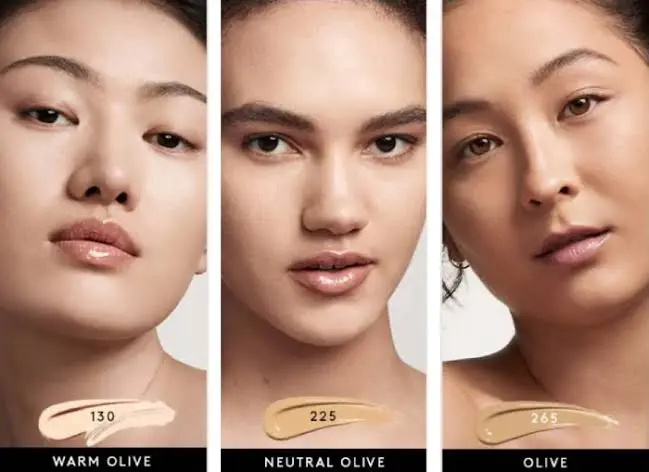
Standing at the foundation counter with two “perfect match” bottles that both look wrong is one of the most common beauty frustrations there is, and it usually comes down to one mixed-up question: olive undertone vs cool undertone. These two categories get confused constantly, yet they behave differently in makeup, clothing, and jewelry. This guide breaks down exactly how to tell them apart, with simple tests you can do at home and a clear comparison chart you can reference in seconds. By the end, you will know which one actually describes your skin, and why the difference matters more than most beauty advice admits.
Table of Contents
What Does Olive Undertone Actually Mean?
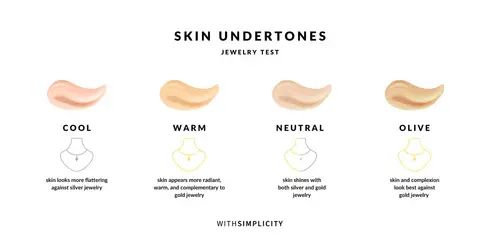
Direct answer: Olive undertone describes skin with a muted green-gray or golden-green cast that sits apart from the standard warm-to-cool spectrum, rather than being a shade of either one.
Most undertone charts only offer three options: warm, cool, and neutral. Olive undertone does not fit neatly into any of them, which is exactly why it causes so much confusion. It shows up as a soft, earthy tint beneath the skin, often described as greenish, sage, or golden-green, and it can appear at any depth from fair to deep.
People with an olive undertone frequently notice that both gold and silver jewelry look decent, but neither looks amazing. Foundation shades tend to swing too pink or too yellow, even when the depth is technically correct. This is a genuinely separate category, not a soft version of warm or cool, and treating it that way is where most confusion starts.
Olive coloring is common among people of Mediterranean, Middle Eastern, South Asian, and Latin American descent, though it appears across many backgrounds. Skin with an olive undertone typically tans easily and rarely burns bright red, which is a useful (though not perfect) clue during self-testing.
What Does Cool Undertone Actually Mean?
Direct answer: Cool undertone means the skin carries a base tint of blue, pink, or violet, which makes silver-toned metals, blue-based reds, and icy colors look more harmonious than golden or orange-based shades.
Cool undertone sits at one end of the traditional warm-cool spectrum. Skin with this undertone often looks rosy or slightly pink in natural light, and veins on the wrist tend to appear clearly blue or purple. Sunburn tends to happen faster than tanning for many (though not all) cool-toned people.
Makeup and clothing in berry, sapphire, emerald, and true blue-red shades tend to look clean and balanced against cool undertones. Warm colors like mustard, orange, and golden yellow can sometimes look slightly harsh or overly bright by comparison. This is the classic “silver jewelry always wins” undertone, and for many cool-toned people that rule holds up consistently.
Unlike olive, cool undertone is a straightforward point on the warm-to-cool scale rather than a separate category. That structural difference is the single biggest reason these two get mixed up so often in casual beauty advice.
Olive Undertone vs Cool Undertone: Side-by-Side Comparison
Direct answer: The core difference is that cool undertone is a temperature (leaning blue/pink), while olive undertone is its own category that blends muted warmth and coolness into a green-gray cast.
| Comparison Point | Olive Undertone | Cool Undertone |
|---|---|---|
| Visible cast | Muted green-gray or golden-green | Pink, blue, or rosy |
| Best metal | Both gold and silver often work | Silver usually wins clearly |
| Foundation issue | Shades often look too pink or too yellow | Shades often look too orange or too warm |
| Best reds | Brick, persimmon, muted true red | Blue-red, berry, wine |
| Sun response | Tans easily, rarely burns bright | Often burns before tanning |
| Vein color | Green or blue-green | Blue or purple |
| Common ancestry link | Mediterranean, Middle Eastern, South Asian, Latin American (not exclusive) | Found across all ancestries |
How the Skin Looks in Natural Light
Olive undertone often looks slightly muted or grayish next to very bright, saturated colors, almost as if a thin gray filter sits over the skin. Cool undertone, by contrast, usually looks rosy or pink-tinted and reacts well to crisp, high-contrast shades. Standing near a window in indirect daylight, without makeup, is the fastest way to catch this difference.
Vein Color Differences
Checking the wrist in natural light is a quick starting clue, though never a final answer on its own. Cool undertone usually shows clearly blue or purple veins, while olive undertone often shows veins that lean blue-green or teal. A muddy in-between color usually points toward olive rather than a clean warm or cool reading.
Gold vs Silver Jewelry
This is one of the fastest practical tests for telling olive undertone vs cool undertone apart. Cool undertone typically shows a clear preference for silver, white gold, or platinum, with gold sometimes looking slightly dull against the skin. Olive undertone is more flexible, often supporting both metals reasonably well, which is itself a useful diagnostic clue.
Foundation and Concealer Matching
Foundation shopping is where these two undertones cause the most visible frustration. A cool-toned foundation applied to olive skin can look chalky, gray, or ashy within an hour. A warm-leaning foundation applied to true cool skin can pull orange or peachy fairly quickly, especially around the jawline.
How to Test for Olive Undertone vs Cool Undertone
Direct answer: Combine at least two tests (vein color, fabric draping, and jewelry) in natural daylight, since no single test is reliable enough to use alone.
The Vein Test
Look at the inside of your wrist in natural, indirect daylight, away from artificial lighting. Blue or purple veins point toward a cool undertone. Green or teal-toned veins point toward olive, though depth and skin thickness can shift the exact shade you see.
The Fabric Drape Test
Hold plain fabric swatches, one warm-toned and one cool-toned, under your chin near a window. A blue-red or icy white that makes your face look brighter and clearer suggests cool undertone. A muted, earthy fabric that keeps your face looking even, without turning your skin more yellow or gray, suggests olive.
The Jewelry Test
Hold a plain gold piece and a plain silver piece near your jaw in the same light. If silver clearly wins and gold looks slightly dull or heavy, that leans cool. If both look reasonably good, with neither creating a dramatic glow, that leans olive.
Why the Sun Tanning Test Falls Short
Many articles suggest that burning easily means cool undertone and tanning easily means warm or olive undertone. This clue relates to how skin reacts to ultraviolet exposure, which is a separate biological process from which colors look best against your face. Use tanning history only as a minor supporting clue, never as the deciding factor, and avoid unprotected sun exposure purely to run a color test.
Why Olive Undertone Gets Mistaken for Cool Undertone
Direct answer: Olive undertone gets mislabeled as cool because both can support silver jewelry and cool-leaning colors, but olive additionally supports select warm colors that true cool undertone cannot pull off as easily.
Some beauty sources claim that most olive skin is simply a variety of cool undertone, largely because both categories often favor silver jewelry and muted, less golden shades. This overlap is real, but it hides an important distinction. True cool undertone struggles with warm colors across the board, while olive undertone can often wear muted warm shades like persimmon, brick, or warm brown without looking sallow.
The confusion also comes from inconsistent testing. A vein test done in warm indoor lighting, or a jewelry test using low-quality metal, can easily produce a false cool reading on genuinely olive skin. Running two or three tests together, in consistent daylight, resolves most of these false positives.
If your results keep landing close to warm instead of cool, it is worth comparing olive undertone against a warm undertone directly rather than a cool one. This guide to undertone vs. warm undertone walks through that specific comparison in more depth, including which warm-leaning colors actually work on olive skin.
Best Colors for Olive Undertone vs Cool Undertone
Direct answer: Olive undertone favors muted, balanced colors like teal, persimmon, and deep berry, while cool undertone favors clear, blue-based shades like sapphire, true red, and icy pastels.
Colors That Flatter an Olive Undertone
Muted and earthy jewel tones tend to work best against an olive undertone, including deep teal, olive-adjacent greens, persimmon, and warm berry. These colors share a balanced quality, neither too golden nor too icy, that matches the natural blend already present in olive skin. Very bright, neon, or overly pastel shades tend to wash olive skin out or make it look tired.
Colors That Flatter a Cool Undertone
Cool undertone generally looks its best in blue-based reds, sapphire, emerald, cool lavender, and icy pastels. These shades share a clean, blue-leaning quality that echoes the pink or blue base already in the skin. Warm, golden-orange shades like mustard or rust tend to compete with cool undertone rather than complement it.
Makeup and Foundation Tips for Olive and Cool Skin
Testing foundation along the jawline, in daylight, is more reliable than testing on the back of the hand, regardless of which undertone you suspect. For olive undertone, looking for foundations labeled “neutral” or “olive” often works better than strictly “warm” or “cool” formulas, since most brands still treat olive as a niche category. For cool undertone, formulas labeled “cool” or “pink-based” tend to blend in cleanly without extra color correcting.
Concealer and blush follow the same logic as foundation. Olive skin often benefits from a peachy-pink or coral blush that adds warmth without pulling orange. Cool-toned skin usually looks most natural in rosy pink or berry blush shades that stay close to the skin’s existing pink base.
Common Mistakes to Avoid When Identifying Your Undertone
Relying on a single test, especially the vein test alone, is the most common mistake people make. Veins can look different depending on lighting, skin thickness, and even how recently you have been in the sun, so one glance is rarely enough. Testing under yellow-toned indoor lighting instead of natural daylight is another frequent error that skews results toward whichever color the bulb is casting.
Assuming that ancestry alone determines undertone is also misleading, since olive and cool undertones both appear across a wide range of ethnic backgrounds. Buying an entire new wardrobe or full makeup collection based on one online quiz, without confirming the result with a physical fabric or jewelry test, often leads to disappointing purchases. Retesting every year or two is reasonable too, since sun exposure, aging, and skincare changes can subtly shift how a color reads against the skin, even though the underlying undertone itself does not change.
Frequently Asked Questions
Is olive undertone the same as cool undertone? No. Cool undertone is a temperature that leans blue or pink, while olive undertone is a separate category with a muted green-gray cast that blends warm and cool qualities.
How can I tell if I have an olive undertone or a cool undertone? Combine the vein test, a fabric drape test, and a jewelry test in natural daylight. Cool undertone usually shows blue veins and a clear silver preference, while olive undertone shows green-toned veins and works with both metals.
Does olive skin always have a cool undertone? No. Some olive skin leans closer to cool, some leans closer to warm, and some sits neutral between the two. Olive is its own category rather than a fixed subtype of cool.
Can silver jewelry look good on olive undertone skin? Yes. Olive undertone often supports both silver and gold jewelry reasonably well, unlike cool undertone, which usually shows a clearer preference for silver alone.
What foundation shade works best for olive undertone vs cool undertone? Olive undertone often does best with foundations labeled “neutral” or “olive,” while cool undertone typically matches best with shades labeled “cool” or “pink-based.”
Why do I keep testing as both olive and cool undertone? Inconsistent lighting or relying on only one test is the usual cause. Repeat the vein, fabric, and jewelry tests together in the same natural daylight session for a more reliable result.
Final Thoughts
Olive undertone vs cool undertone is a genuinely common point of confusion, and now you have a clear way to tell them apart. Olive undertone stands as its own category, with a muted green-gray cast that supports both metals and a specific set of balanced colors. Cool undertone sits firmly on the blue-pink side of the spectrum, favoring silver jewelry and clean, blue-based shades. Running the vein, fabric, and jewelry tests together in natural daylight will give you a far more reliable answer than any single clue, and once you know your direction, choosing foundation, clothing, and jewelry becomes noticeably easier.