

Intro
Olive undertone refers to a green or gray cast layered beneath warm or neutral pigment, setting it apart from the standard warm, cool, and neutral categories most beauty guides rely on. Despite how often the term gets used, most articles only mention olive undertone in passing, treating it as one item on a list rather than explaining what it actually means. This leaves many people unsure whether their own skin qualifies, or why their foundation never quite matches despite trying every “neutral” shade available. This guide gives olive undertone the dedicated explanation it deserves, covering what it means, where it comes from, and how to identify it confidently. By the end, olive skin undertone should feel like a clear, specific trait rather than a vague, catch-all label.
Table of Contents
What Is Olive Undertone? The Real Meaning
Olive undertone meaning comes down to one specific trait: a green or gray cast sitting beneath the visible surface of the skin, regardless of how light or dark that skin actually is. This undertone stays fixed throughout life and does not shift with tanning, skincare, or the seasons, since it reflects a genetic pigment pattern rather than a surface-level reaction to sun exposure.
Olive Undertone vs. Warm, Cool, and Neutral
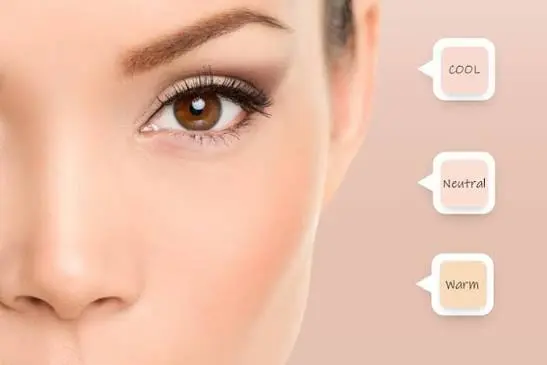
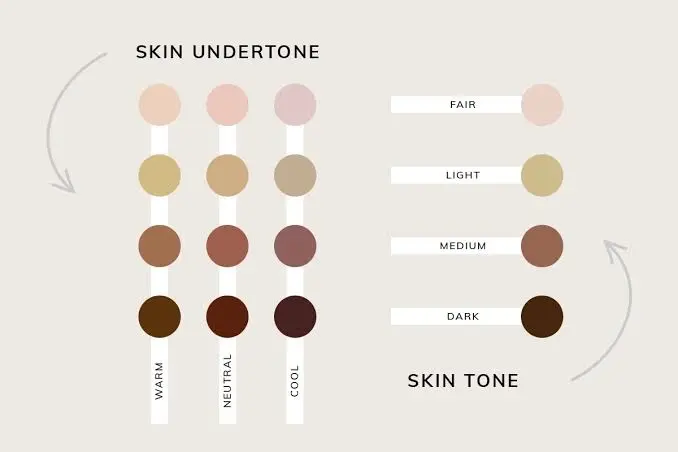
Warm undertone leans toward yellow, peach, or golden hues, cool undertone leans toward pink, red, or blue, and neutral undertone balances the two without leaning either way strongly. An undertone is different from all three, since it adds a distinct green-gray layer that none of the other three categories account for, which is exactly why people with a true skin undertone often feel like they don’t fit cleanly into any of them.
Why Olive Undertone Meaning Gets Misunderstood
Much of the confusion around undertone meaning stems from how rarely it receives a dedicated explanation, with most sources mentioning it only briefly alongside the three more commonly discussed categories. Foundation shade ranges reinforce this problem, since very few formulas are labeled specifically for olive undertone, pushing people toward warm or neutral shades that don’t actually account for the green cast.
The Science Behind Olive Skin Undertone
Understanding where skin undertone comes from biologically makes the rest of the identification and styling advice much easier to apply.
Melanin Balance
Undertone results from a specific balance of eumelanin, a brown-black pigment, and pheomelanin, a red-yellow pigment, combined with how blood vessels and collagen reflect light beneath the skin’s surface. This particular combination produces the muted, earthy quality that defines true olive undertone, distinguishing it from the more straightforward yellow or pink casts found in warm and cool skin.
Genetics and Inheritance
Like most pigmentation traits, olive undertone follows a polygenic inheritance pattern, meaning multiple genes work together rather than one single gene determining the outcome. This is why two parents without visible olive undertone can still have a child who carries it, and why siblings can end up with noticeably different undertones despite growing up in the same household.
How to Identify Olive Undertone
A few simple, well-known checks can confirm undertone without needing any professional color consultation.
The Vein Test
Looking at the veins on the inner wrist under natural daylight is the most common method for checking undertone. Veins that look distinctly green, or a mix of green and teal, usually point toward an olive undertone, while purely blue veins suggest a cooler one instead.
The Jewelry Test
Comparing how gold and silver jewelry look against the skin offers another useful clue. If both metals look equally flattering rather than one clearly winning out, that balance often signals a true olive undertone.
The Foundation Test
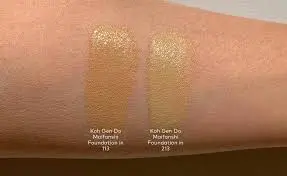
Foundation shopping often reveals undertone before any deliberate test does. Warm shades tend to oxidize into orange, cool shades can look pink or ashy, and even neutral shades sometimes still feel slightly off, which is a strong sign that a genuinely olive-specific formula will perform better.
Olive Undertone Across Different Depths
Olive tone is not tied to any single depth, and it can appear on fair, medium, or deep skin alike. Light olive skin carries a fair base with a faint green-gray cast that shows up most clearly in winter, when less sun exposure is present. Medium olive skin, the depth most commonly pictured when people hear the term, balances golden warmth with a visible green-gray undertone. Deep olive skin combines richer brown pigment with that same underlying cast, proving that olive undertone and depth are two separate qualities that can combine in almost any way.
Common Signs You Have an Olive Skin Undertone
Beyond the formal tests, a few everyday signs tend to show up consistently in people with a true skin undertone. Foundation shades labeled “neutral” often still look slightly off, oxidizing orange or appearing ashy within a few hours of application. Both gold and silver jewelry tend to look surprisingly good, rather than one metal clearly outperforming the other. For a full breakdown of the terminology used throughout undertone and skin tone discussions, this olive skin glossary defines every related term in one place, including several mentioned in this guide.
Makeup and Color Tips for Olive Undertone
Once undertone is confirmed, choosing makeup and color becomes far more straightforward than relying on generic warm or cool advice. Foundations labeled neutral-olive or golden-olive tend to perform best, since they account for the green-gray cast rather than fighting against it. Earthy tones, deep jewel shades, and warm neutrals tend to flatter undertone consistently, while overly icy pastels and yellow-green shades often clash with the underlying cast. Testing new products and colors in natural daylight, rather than indoor store lighting, remains the most reliable way to confirm a genuinely good match.
Olive Undertone Myths to Avoid
One common myth assumes olive undertone is simply a type of tan or deep skin, when in reality it can appear at any depth and has nothing to do with sun exposure. Another myth treats olive as identical to neutral undertone, when neutral only balances warm and cool without the distinct green-gray cast that defines true skin undertone. A third misconception assumes olive undertone belongs to one specific ethnicity, when it actually appears across Mediterranean, Middle Eastern, South Asian, Latin American, and many other backgrounds worldwide.
Frequently Asked Questions
What is olive undertone? undertone is a green or gray cast layered beneath warm or neutral pigment, distinct from the standard warm, cool, and neutral undertone categories.
What does olive undertone mean, actually? It refers specifically to the presence of a green-gray pigment layer beneath the skin’s surface, not to depth, ethnicity, or tanning.
How do I know if I have an olive skin undertone? The vein test, jewelry test, and foundation test are the three most reliable at-home checks, especially when used together in natural daylight.
Is olive undertone the same as neutral undertone? No. Neutral undertone balances warm and cool with no strong pigment shift, while olive undertone adds a distinct green-gray cast on top of that balance.
Can olive undertone appear on fair skin? Yes. Undertone can appear at fair, medium, or deep depths, since undertone and depth are two separate qualities entirely.
Is olive undertone genetic? Yes. It follows a polygenic inheritance pattern involving multiple genes, and the undertone remains fixed throughout life regardless of tanning or environment.
Final Thoughts
undertone deserves a clearer, more dedicated explanation than most beauty guides give it, since it is a distinct trait rather than a minor variation of warm, cool, or neutral skin. Understanding the real olive undertone meaning, the genetics behind it, and how to identify it through simple tests removes years of foundation frustration and confusing color advice. Olive skin undertone can appear at any depth and across many different ethnic backgrounds, which is exactly why treating it as one narrow category misses the full picture. Once this undertone is properly understood, choosing makeup, colors, and skincare becomes a far more confident and accurate process.