

Intro
These olive skin FAQs bring together the questions people actually search for, rather than scattering answers across dozens of separate articles. Common olive skin questions tend to cluster around a handful of themes: identification, depth, makeup, genetics, ethnicity, skincare, and long-standing myths. Instead of making readers piece together answers from unrelated sources, this hub organizes every major olive skin question by category, with clear, direct answers for each one. Whether the goal is confirming an undertone, choosing foundation, or simply understanding where this trait comes from, these olive skin FAQs are built to answer it directly.
Table of Contents
Olive Skin FAQs About Undertone and Identification
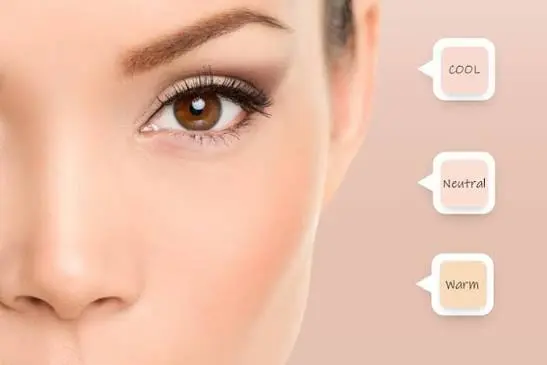
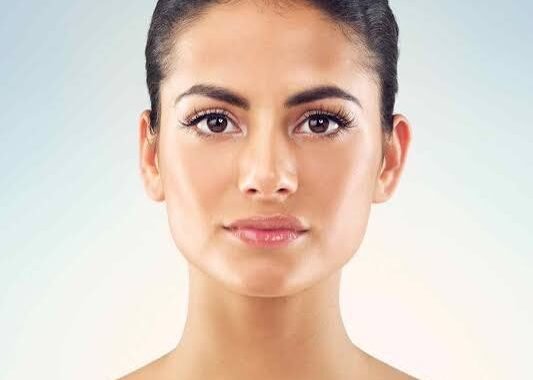
What does it mean to have olive skin? Having olive skin means carrying a green or gray undertone layered beneath warm or neutral pigment, rather than a purely pink or yellow base.
How can I tell if I have olive skin? The vein test, foundation test, and jewelry test are the three most reliable at-home checks, especially when used together in natural daylight.
What does the vein test show for olive skin? Veins that look distinctly green, or a mix of green and blue, on the inner wrist under natural light usually point toward an olive undertone.
Is olive skin the same as a neutral undertone? No. Neutral undertone simply balances warm and cool with no strong pigment shift, while olive adds a specific green-gray cast on top of that balance.
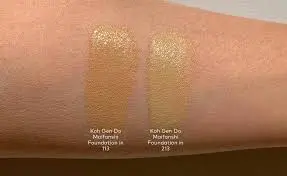
Why does my foundation always look wrong even though it’s labeled ‘neutral’? Standard neutral foundations are built around a warm-cool balance without accounting for the green-gray cast specific to olive skin, which is why they often still look slightly off.
Olive Skin FAQs About Depth and Appearance
Can olive skin be light in depth? Yes. Olive undertone can appear at fair, light, medium, or deep depths, since undertone and depth are two separate qualities entirely.
What is the difference between light, medium, and deep olive skin? Light olive carries a fair base with a faint green cast, medium olive balances golden warmth with the green-gray undertone, and deep olive combines richer brown pigment with that same undertone.
Does olive skin always look tan? No. Olive skin can appear tan, but it can also appear fair or deep without ever being tanned, since the undertone itself has nothing to do with sun-driven color change.
Is olive skin the same as brown skin? Not exactly. Brown describes depth, while olive describes the undertone beneath that depth, so a person can have brown skin with or without true olive undertone.
Olive Skin FAQs About Makeup and Foundation
What foundation shade works best for olive skin? Foundations labeled neutral-olive or golden-olive tend to perform best, since they account for the green-gray cast rather than clashing with it.
Why does my foundation turn orange after a few hours? This usually happens when a warm-toned foundation oxidizes on olive skin, which is a strong sign that an olive-specific formula would perform better.
What colors flatter olive skin the most? Earthy tones, deep jewel tones, and warm neutrals tend to flatter olive skin most consistently, while overly icy pastels and yellow-green shades often clash with the undertone.
Should I choose gold or silver jewelry with olive skin? Many people with olive skin can wear both metals comfortably, since the balanced undertone rarely favors one clearly over the other.
Olive Skin FAQs About Genetics and Ethnicity
Is olive skin genetic? Yes. Olive skin results from a polygenic inheritance pattern involving multiple genes that control melanin balance, and the undertone stays fixed throughout life regardless of environment.
Can two parents without olive skin have a child with it? Yes. Because multiple genes are involved, parents can carry recessive gene combinations without showing olive undertone themselves, yet still pass the trait along.
What ethnicity is most associated with olive skin? Olive skin appears most commonly among people with Mediterranean, Middle Eastern, South Asian, Latin American, and some North African and Eastern European ancestry, rather than any single group. For a full breakdown of the terminology used across these genetic and ethnic discussions, this olive skin glossary defines every key term in one place.
Is olive skin rare? No, not statistically. It appears across many large global populations, but it is frequently underrepresented in beauty marketing and shade ranges, which makes it feel rarer than it actually is.
Olive Skin FAQs About Skincare and Sun Protection
Does olive skin need sunscreen? Yes. Olive skin tans more easily and burns less often than fair skin, but it is not immune to UV damage or skin cancer, so daily SPF remains essential.
Why does olive skin get dark spots so easily? Higher melanin activity in olive skin means hyperpigmentation can develop more easily after acne, irritation, or sun exposure, and these marks often take longer to fade.
Is olive skin usually oily? Many people with olive skin do run oilier than average, especially through the T-zone, which is a common trait rather than a sign of poor skin health.
Common Olive Skin Questions About Myths and Misconceptions
Does tanning turn regular skin into olive skin? No. Tanning only affects surface depth temporarily, while true olive undertone is a fixed, inherited trait that stays the same regardless of sun exposure.
Is olive skin only found in Mediterranean people? No. While strongly associated with the Mediterranean, olive skin appears widely across the Middle East, South Asia, Latin America, and other regions as well.
Will any ‘neutral’ foundation work for olive skin? Usually not. Standard neutral shades often still lean too warm or too cool, so a shade specifically labeled olive or golden-olive tends to match far better.
How to Use This Olive Skin FAQ Hub
This collection of olive skin FAQs works best as a quick-reference starting point before diving into more detailed guides on specific topics like genetics, ethnicity, or myths. Rather than searching separately for each common olive skin question, this hub groups related questions together so a full category can be scanned at once. Bookmarking this page alongside deeper, topic-specific articles creates a much more complete research experience than relying on any single source.
Final Thoughts
These olive skin FAQs cover the questions that come up most consistently across identification, depth, makeup, genetics, ethnicity, skincare, and myths. Common olive skin questions tend to repeat the same handful of misunderstandings, particularly around undertone versus depth and the assumption that this trait is either rare or exclusively Mediterranean. Having clear, direct answers gathered in one place removes a lot of the guesswork that scattered, inconsistent sources tend to create. Returning to this hub whenever a new olive skin question comes up should make the rest of the research process considerably easier.