

Intro
Olive skin tone Indian complexions carry a distinct green or gray undertone layered beneath warm, golden pigment, setting them apart from the wheatish and dusky categories most Indian beauty guides default to. Despite being common across many regions of India, olive undertone rarely gets its own spotlight, since most advice lumps it in under a broader “warm undertone” label. This leaves many people unsure why their foundation oxidizes strangely or why certain hair colors look duller than expected. This guide breaks down what actually defines Indian olive skin, how to identify it confidently, and which makeup, hair, clothing, and skincare choices genuinely work with India’s heat and humidity. By the end, anyone with olive skin in India should feel far clearer on what makes this complexion unique.
Table of Contents
What Is Olive Skin Tone in Indian Complexions?
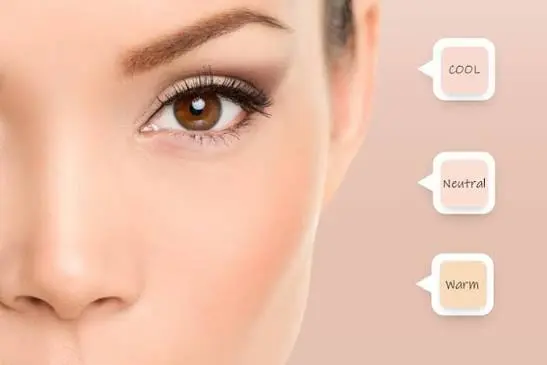
Olive skin tone Indian complexions are defined by undertone rather than depth, which is why the term gets confused with wheatish or dusky skin so often. Undertone is the subtle color beneath the surface that stays constant regardless of tanning, while depth simply describes how light or dark the skin looks. Recognizing this distinction is the first step toward understanding Indian olive skin properly.
The Green-Warm Undertone
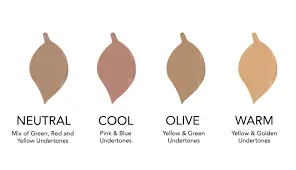
The defining trait of olive skin is a green or gray cast layered under warm, golden pigment, giving it a muted, earthy quality rather than a purely yellow or pink one. This undertone shows up most clearly along the jawline and neck in natural daylight, and it stays consistent through every season. It is also the reason foundations built purely for “warm” or “wheatish” Indian skin can sometimes look slightly off on a true olive complexion.
How Olive Fits Among Indian Skin Tone Categories
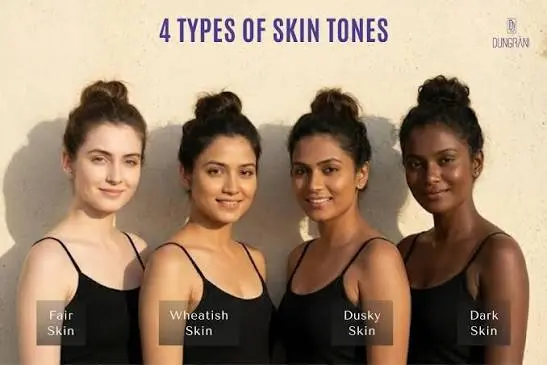
Most Indian beauty guides sort skin into fair, light-medium, wheatish, dusky, and deep, with olive treated as a minor variation rather than its own group. In reality, olive undertone can appear across several of these depth categories, most commonly within the light-medium to wheatish range. Understanding that olive is about undertone, not depth, helps explain why two people both labeled “wheatish” can still need very different foundation shades or hair colors.
Common Characteristics of Indian Olive Skin
Beyond undertone, several traits show up consistently in Indian olive skin and are worth knowing before choosing skincare or makeup.
Tans Easily, Rarely Burns
Higher natural melanin content means Indian olive skin tends to darken gradually in strong sun rather than burning or turning red. This is common across most Indian skin tones, though it does not mean sun protection can be skipped, since UV damage still builds up beneath the surface without visible warning signs. Daily SPF remains essential regardless of how rarely the skin actually burns.
Prone to Oiliness and Hyperpigmentation
Indian olive skin often runs oilier, especially through the T-zone, and can develop stubborn dark marks after acne, waxing, or prolonged sun exposure. These traits are extremely common in India’s climate and are not a sign of poor skin health, simply a pattern worth planning around. For a closer look at how these same undertone traits show up in men specifically, this guide on olive skin tone male breaks down the details further.
How to Identify Olive Skin Tone in India
A handful of simple, well-known tests can confirm Indian olive skin without needing a professional consultation.
The Vein Test
Looking at the veins on the inner wrist in natural daylight is the most common check. Veins that appear distinctly green, or a mix of green and blue, usually point toward an olive undertone, while purely blue veins suggest a cooler one instead.
The Jewelry Test
Comparing how gold and silver jewelry look against the skin offers another clue. If both metals look equally natural rather than one clearly winning, that balance often signals an olive or neutral-olive undertone.
The White Paper Test
Holding a plain white sheet of paper next to the face under natural light can help confirm the undertone further. Skin that reflects a slightly green or golden cast rather than a clearly pink or yellow one tends to lean olive.
The Foundation Test
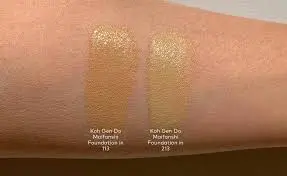
Foundation shopping often reveals the answer before any deliberate test does. Shades built purely for warm or wheatish Indian skin can oxidize orange or look slightly ashy on true olive undertone, which is a strong sign that an olive-specific or neutral-olive foundation will perform better.
Olive Skin Tone Indian vs. Wheatish and Dusky Skin
Wheatish skin is the most commonly referenced Indian skin tone, generally describing a warm beige-brown depth without specifying undertone at all. Dusky skin refers to a deeper, richer brown depth that can carry warm, neutral, or olive undertones depending on the individual. Olive skin tone Indian complexions can technically overlap with either category in terms of depth, but the green-gray undertone is what separates true olive skin from a purely warm wheatish or dusky tone. This is exactly why two people both described as “wheatish” in casual conversation might need completely different foundation shades or hair colors once undertone is actually considered.
Best Makeup Shades for Indian Olive Skin
Once the undertone is confirmed, choosing makeup becomes far more straightforward than relying on general “warm” or “wheatish” advice alone.
Foundation and Concealer
Foundations labeled neutral-olive or golden-olive tend to perform best, since they account for the green-gray cast instead of fighting against it. Swatching along the jawline in natural daylight and waiting a few minutes before judging the shade helps catch oxidation before it becomes obvious later in the day.
Blush and Bronzer
Muted terracotta, warm coral, and soft brick shades tend to give the most natural flush on Indian olive skin, while very pink or icy shades can create a slightly gray cast instead. Bronzers with golden or olive undertones add warmth without looking muddy or overly orange.
Lipstick
Brick red, warm berry, rosewood, and muted mocha-brown shades tend to flatter most Indian olive skin tones. Very pale, blue-based pinks can wash the face out, while classic warm reds tend to work reliably across most olive undertones.
Best Hair Colors for Indian Olive Skin
Hair color can either soften or sharpen the green undertone found in Indian olive skin, so choosing the right shade makes a visible difference. Mocha brown, cinnamon brown, and honey brown all tend to balance the undertone well, since they lean warm without pulling too gold or too ash. Chocolate brown and chestnut also work nicely for olive skin that leans slightly warmer, especially with subtle caramel highlights for dimension. Very ashy or platinum-toned shades tend to clash with the green cast in olive skin and can leave the complexion looking dull, so these are usually better approached with caution or used only as light, face-framing highlights.
Clothing Colors That Flatter Olive Skin in India
Olive skin tends to handle a wider color range than strictly warm or cool skin, which makes building a wardrobe slightly easier once the undertone is understood. Earthy tones like terracotta, mustard, and warm olive green echo the skin’s natural warmth and tend to look effortless in Indian fabrics and prints. Jewel tones such as emerald, deep teal, and rich maroon create a clean contrast that makes olive skin look vivid rather than washed out, which is part of why these shades are so popular for festive and wedding wear. Pale icy pastels and overly cool grays, on the other hand, can flatten Indian olive skin and are usually better kept to small accents rather than full outfits.
Skincare Tips for Olive Skin in India’s Climate
India’s heat, humidity, and pollution levels make a consistent skincare routine especially important for managing the common concerns linked to olive skin.
Managing Hyperpigmentation
Because Indian olive skin can develop stubborn dark spots after acne, waxing, or sun exposure, prevention tends to work better than correction after the fact. Daily broad-spectrum SPF paired with gentle, consistent use of brightening ingredients like vitamin C or niacinamide can help keep tone even over time.
Battling Humidity and Pollution
Heavy, occlusive products can feel suffocating and worsen oiliness in India’s humid months, so lightweight, non-comedogenic formulas tend to perform better throughout the day. A gentle cleanse both morning and night helps clear pollution buildup, while regular but mild exfoliation keeps olive skin from looking dull or congested.
Frequently Asked Questions
What does olive skin tone Indian mean? It refers to an Indian complexion with a green or gray undertone layered beneath warm, golden pigment, which is different from the general “warm undertone” label most guides use.
Is Indian olive skin the same as wheatish skin? Not exactly. Wheatish usually describes depth without specifying undertone, while Indian olive skin specifically refers to the green-gray cast beneath the surface, regardless of exact depth.
How can I tell if I have olive skin in India? The vein test, jewelry test, white paper test, and foundation test are the four simplest ways to check, especially when used together in natural daylight.
What hair colors suit Indian olive skin best? Mocha brown, cinnamon brown, honey brown, and chocolate brown tend to work well, while very ashy or platinum tones can clash with the green undertone.
Does Indian olive skin need different skincare than wheatish or dusky skin? The core concerns overlap, but Indian olive skin tends to run oilier and shows hyperpigmentation prominently, so daily SPF and gentle exfoliation matter just as much as for any other Indian skin tone.
Which clothing colors work best for Indian olive skin tone? Terracotta, mustard, warm olive green, emerald, and deep maroon tend to flatter Indian olive skin, while icy pastels and cool grays are better kept to small accents.
Can olive skin in India be light or fair in depth? Yes. Olive Skin Tone Indian Olive undertone can appear at fair, light-medium, wheatish, or even deeper depths, since undertone and depth are separate qualities.
Final Thoughts
Understanding olive skin tone Indian complexions comes down to recognizing a specific green-gray undertone that most general Indian skin tone advice overlooks entirely. This undertone shapes how foundation oxidizes, which hair colors look flattering, and which clothing shades genuinely stand out rather than wash the skin out. Once identified through simple tests like the vein or jewelry check, choosing makeup, hair color, and skincare for Olive Skin Tone Indian becomes a far more confident process. The goal is never forcing this complexion into a generic wheatish or dusky label, but recognizing the undertone that actually defines it.