

Intro
Is olive skin rare? Not really, though it often feels that way. Olive skin appears across a wide range of ethnic backgrounds and regions, but it gets undercounted because so many people mistake it for a depth of skin rather than an undertone. This confusion, combined with a beauty industry that has historically underserved this complexion, has created the impression of a rare skin tone when the reality is closer to a widely present but poorly recognized one. This guide breaks down how common olive skin actually is, where it shows up most, why it gets mislabeled as an uncommon skin tone, and how to know if you have it. By the end, the rarity question should feel a lot less mysterious.
Table of Contents
Is Olive Skin Rare, or Just Misunderstood?
Olive skin is not statistically rare in the way a genetic anomaly or an unusual eye color might be. It is, however, frequently misunderstood, mislabeled, and underrepresented in mainstream beauty content, which creates a strong impression of rarity even where the numbers do not support it.
What Actually Counts as Olive Skin
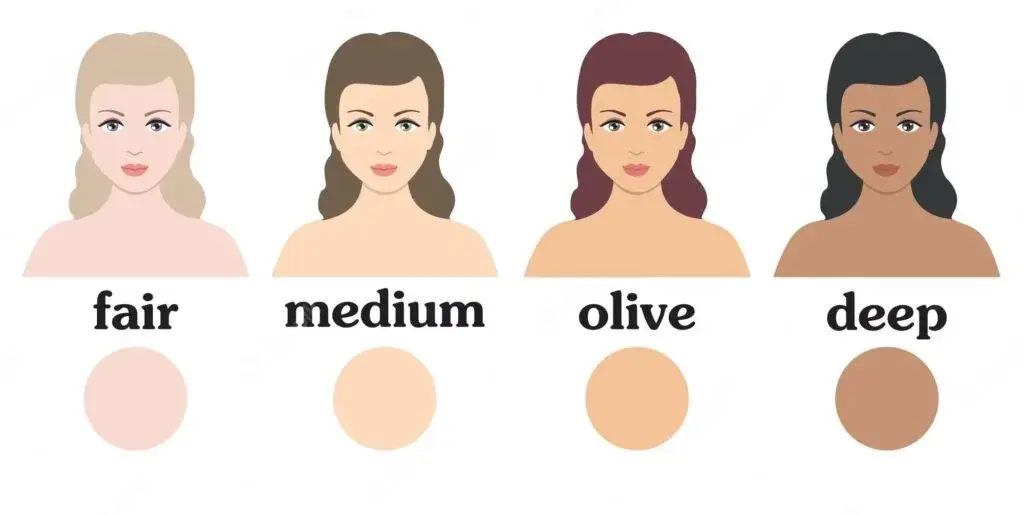
Olive skin refers specifically to a green or gray undertone layered beneath warm or neutral pigment, not to a particular depth of complexion. This distinction matters enormously when discussing rarity, since undertone and depth are counted very differently across research and marketing. A fair-skinned person and a deep-skinned person can both have true olive undertone, which means olive skin is far more widespread than any single depth category would suggest on its own.
Why It Feels Rarer Than It Is
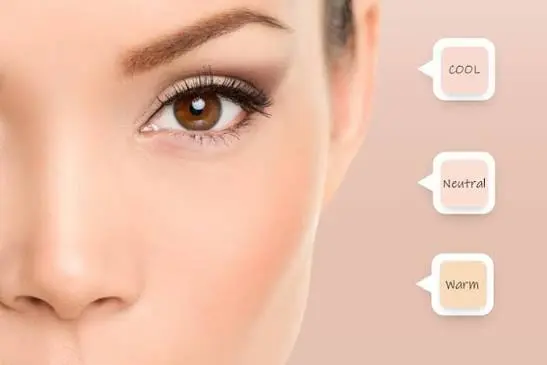
Much of the sense that olive is a rare skin tone comes from how rarely it is named correctly in makeup shade ranges, color theory, and everyday conversation. Most foundation lines are still built around warm, cool, and neutral labels without a true olive option, which pushes people with this undertone into categories that do not quite fit. When a complexion has no accurate label available to it, it tends to feel invisible rather than simply uncommon.
How Common Is Olive Skin Around the World?
Olive skin appears across a genuinely broad set of populations, which argues against treating it as a rare skin tone in any meaningful statistical sense.
Regions Where Olive Skin Is Most Common
Olive undertone shows up frequently among people with Mediterranean, Middle Eastern, South Asian, and Latin American ancestry, where it is often the majority undertone rather than an exception. It also appears regularly in East Asian and Eastern European populations, though it receives far less cultural attention there. Even within Ireland, a region rarely associated with the word “olive,” dermatologists and makeup artists have documented pale olive undertones for years.
Where It Shows Up Less Often
Olive undertone is genuinely less common in populations where cool, pink-based undertones dominate, such as many Northern European groups with very fair, cool-toned skin. This does not mean olive is absent there, simply that it represents a smaller share of the local population compared to regions where it is closer to the norm. Global population size matters here too, since regions where olive is common also happen to include some of the largest populations on Earth.
Is Olive Skin Rare Compared to Warm and Cool Undertones?
When measured against the three broad undertone categories, warm, cool, and neutral, olive functions more like a distinct variation within warm or neutral undertone rather than a fourth, rare category sitting apart from all three. Given how many people worldwide carry Mediterranean, Middle Eastern, South Asian, Latin American, or East Asian ancestry, olive undertone likely accounts for a substantial share of the global population, even though no single, universally agreed-upon statistic exists. The honest answer is that olive skin is common enough to matter deeply to the beauty industry, yet specific enough in its needs that it still gets treated as a rare skin tone by companies that have not bothered to build for it.
Why Olive Skin Gets Miscounted as a Rare Skin Tone
Several practical and cultural reasons explain why olive skin ends up labeled as uncommon far more often than the underlying population data would support.
Confusing Undertone With Depth
Many surveys, shade charts, and casual conversations conflate skin tone with skin undertone, counting people by how light or dark they appear rather than what undertone lies beneath that depth. Since olive can occur at nearly any depth, from fair to deep, this conflation results in it being split across several depth categories rather than counted together as a single undertone group. The result is a smaller, more fragmented number than the true, combined population of people with olive undertone.
The Foundation Industry Blind Spot
For decades, foundation formulas were built primarily around pink-based and yellow-based pigments, largely ignoring the green-gold balance that defines true olive skin. This meant that even people who clearly had olive undertone were sold products labeled “neutral” or “warm” that did not actually match, reinforcing the idea that their skin type was an outlier the industry simply had not gotten around to. For a deeper look at how this plays out within a specific, large population, this guide on olive skin tone in Indian complexions explains how olive undertone has long been miscategorized under broader labels like wheatish or dusky.
The Science Behind Why Olive Skin Exists
Understanding the biology behind olive skin helps explain why it is a naturally occurring, population-wide trait rather than some rare genetic exception.
Melanin and Pigment Balance
Olive skin results from a particular balance of eumelanin and pheomelanin combined with how blood vessels and collagen reflect light beneath the surface. This combination produces the signature green-gray cast, and because melanin levels vary continuously across human populations rather than in isolated categories, olive undertone naturally occurs anywhere this particular pigment balance exists. There is nothing biologically rare about the mechanism itself, only about how consistently it gets recognized and named.
The Fitzpatrick Scale’s Limitation
The Fitzpatrick Scale, created in 1975 to measure how skin burns and tans in the sun, was never designed to capture undertone at all, yet it remains one of the most commonly referenced tools in dermatology and cosmetics. Because this scale only tracks depth and sun sensitivity, it has no real way to flag olive undertone specifically, which has left olive skin under-documented in the very research that shapes product development. Newer systems, including tools built specifically to measure the red and green balance in skin, have started to correct this gap.
Is “Rare Skin Tone” a Fair Label for Olive Skin?
Calling olive a rare skin tone is not entirely accurate, but it is also not a completely baseless description, since the label captures something real about representation even if it misstates the actual population size. Olive skin is common in absolute numbers across the regions where it naturally occurs, yet it remains rare in terms of accurate labeling, dedicated product ranges, and mainstream visibility. A more precise way to describe it would be an underrepresented skin tone rather than a genuinely uncommon one, since the gap lies in recognition rather than biology.
Signs You Might Have This Uncommon-Feeling Skin Tone
A couple of simple, well-known checks can help confirm olive undertone without needing a professional consultation, regardless of how common or rare the label ends up being in practice.
The Vein Test
Looking at the veins on the inner wrist in natural daylight is the most common method. Veins that look distinctly green, or a mix of green and blue, usually point toward an olive undertone, while purely blue veins suggest a cooler one instead.
The Foundation Test
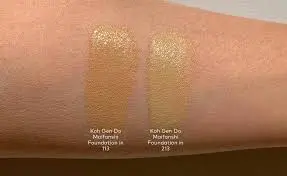
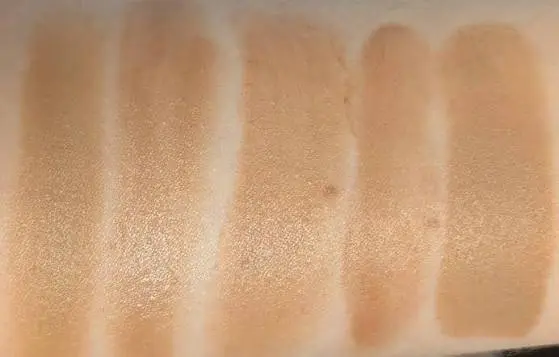
Foundation shopping often reveals olive undertone before any deliberate test does. Warm shades tend to oxidize into orange, cool shades can look pink or ashy, and even neutral shades sometimes still feel slightly off, which is a strong sign that an olive-specific or neutral-olive foundation will perform better.
Frequently Asked Questions
Is olive skin rare? No, not statistically. Olive skin appears across many large global populations, but it is frequently mislabeled and underrepresented, which makes it feel rarer than it actually is.
Is olive skin considered a rare skin tone in the beauty industry? In terms of product availability and accurate labeling, yes, it has historically been treated as a rare skin tone, even though the population of people with olive undertone is quite large.
Which ethnicities are most likely to have olive skin? Mediterranean, Middle Eastern, South Asian, Latin American, and East Asian populations most commonly carry olive undertone, though it can appear in people from almost any background.
Why does olive skin feel like an uncommon skin tone? It feels uncommon mainly because it rarely gets an accurate label in makeup shade ranges and everyday conversation, not because the underlying population is actually small.
Is olive skin the same as tan or dark skin? No. Olive describes undertone, while tan or dark describes depth, so olive skin can appear at almost any depth from fair to deep.
How can I tell if I actually have olive skin? The vein test and foundation test are the two simplest ways to check, especially when done together in natural daylight.
Final Thoughts
The short answer to “is olive skin rare” is no, not in any meaningful statistical sense, even though it often gets treated like an uncommon skin tone. Olive undertone appears across a wide range of ethnicities and regions, and its apparent rarity comes down to confusion between undertone and depth, along with a beauty industry that has historically failed to name and serve it properly. Recognizing olive skin as an underrepresented rather than genuinely rare skin tone changes the conversation from an exception to a group that has simply been overlooked. Once that distinction is clear, identifying and caring for olive skin becomes a much more straightforward process.