
Introduction
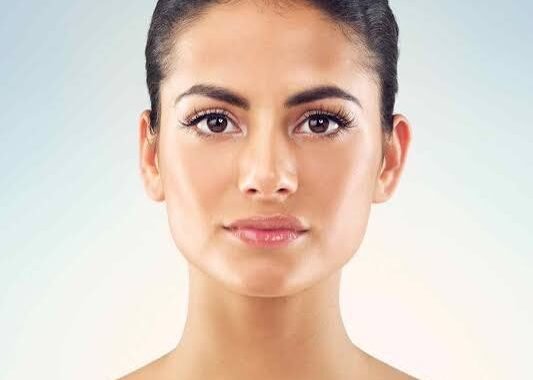
Olive skin is one of the most misunderstood skin tones. Many people assume it refers only to medium or tan complexions, but olive undertones can occur across a wide range of skin depths.
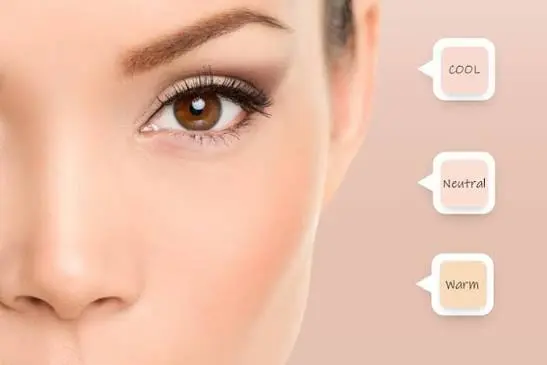
You may have olive skin if foundations regularly look too orange, your complexion appears muted rather than rosy, or both gold and silver jewelry complement your appearance. Olive skin can look warm, cool, or neutral depending on its undertones.
This guide uses practical olive skin tone examples to help you understand what olive skin actually looks like and how to identify it more accurately.
Quick Answer
Olive skin tone is characterized by muted, golden, neutral, or slightly green undertones that can appear across light, medium, tan, or deep complexions.
Common olive skin tone examples include:
- Fair skin with muted golden undertones.
- Medium skin with balanced olive undertones.
- Tan skin with naturally bronzed olive characteristics.
- Deep skin with rich muted undertones.
People with olive skin often notice that:
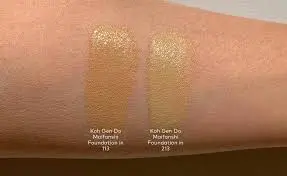
- Foundations appear orange or pink.
- Their complexion changes slightly in different lighting.
- Earth tones and jewel tones look particularly flattering.
- Traditional undertone tests can feel confusing.
Table of Contents
- What Does Olive Skin Tone Look Like?
- Olive Skin Tone Examples
- Olive Undertone Examples
- Light, Medium, Tan, and Deep Olive Skin
- Visual Characteristics of Olive Skin
- Common Identification Mistakes
- Expert Tips
- Frequently Asked Questions
What Does Olive Skin Tone Look Like?
One reason olive skin is difficult to identify is that it rarely looks the same from one person to another.
Olive skin may appear:
- Golden in sunlight.
- Neutral indoors.
- Slightly muted in photographs.
- More bronzed after tanning.
- Soft and balanced under natural daylight.
Unlike warm skin tones that consistently appear golden or cool skin tones that appear pink or rosy, olive skin often combines characteristics from multiple undertone categories.
Visual Characteristics of Olive Skin
People with olive skin frequently notice:
- Muted undertones.
- Minimal facial redness.
- Easy tanning ability.
- Balanced warmth.
- Difficulty finding foundation matches.
- Flexible jewelry compatibility.
These characteristics become more noticeable when several are present together.
Olive Skin Tone Examples Explained
Olive skin should be identified using two important characteristics:
- Skin Depth
- Undertones
Skin Depth Includes
- Light Olive
- Medium Olive
- Tan Olive
- Deep Olive
Undertones Include
- Warm Olive
- Neutral Olive
- Cool Olive
This means that two individuals can both have olive skin while looking completely different from one another.
For example:
| Skin Depth | Undertone | Appearance |
| Light Olive | Warm Olive | Soft golden appearance |
| Light Olive | Cool Olive | Muted complexion |
| Medium Olive | Neutral Olive | Balanced olive undertones |
| Tan Olive | Warm Olive | Naturally bronzed appearance |
| Deep Olive | Neutral Olive | Rich muted undertones |
| Deep Olive | Cool Olive | Deep balanced complexion |
Understanding both categories provides a far more accurate assessment than considering skin depth alone.
Why Olive Skin Is Often Misidentified
Many olive complexions are incorrectly classified as:
- Warm toned skin
- Neutral skin
- Medium skin tone
- Golden undertones
This usually happens because traditional undertone guides simplify skin tones into three categories:
- Warm
- Cool
- Neutral
Olive skin is more nuanced than these classifications suggest.
Common Reasons for Misidentification
People with olive skin may experience:
- Orange foundations.
- Gray appearing neutral shades.
- Mixed vein colors.
- Conflicting undertone test results.
- Different appearances under changing lighting conditions.
These factors frequently cause confusion during skin tone assessments.
Light Olive Skin Tone Examples
Light olive skin is one of the most commonly overlooked olive complexions.
Characteristics Include:
- Fair or light complexion.
- Muted undertones.
- Minimal redness.
- Soft golden appearance.
- Easy tanning compared with other fair skin tones.
Light Olive Skin May Look:
- Slightly golden in daylight.
- Neutral indoors.
- Balanced rather than pink.
- Soft and muted in photographs.
People with light olive skin are frequently mistaken for having neutral undertones because their complexion may not appear obviously olive at first glance.
Colors That Often Complement Light Olive Skin
- Sage green
- Dusty rose
- Soft cream
- Warm taupe
- Forest green
- Deep navy blue
Medium Olive Skin Tone Examples
Medium olive skin is perhaps the most recognized olive complexion.
Characteristics Include:
- Balanced undertones.
- Naturally healthy appearance.
- Moderate tanning ability.
- Flexible color compatibility.
Medium olive skin frequently appears:
- Golden during summer.
- Neutral in daylight.
- Slightly muted indoors.
Because medium olive skin combines warmth and balance naturally, it often complements both warm and cool color palettes depending on its undertones.
Expert Insight
There is no single “olive skin look.” Olive undertones exist across multiple skin depths and may appear differently according to lighting conditions, genetics, and seasonal changes. Looking for recurring characteristics produces significantly better results than relying on one visual observation alone.
Visual Suggestions
The following visuals can improve reader engagement and understanding:
- Olive Skin Tone Examples infographic.
- Light versus Medium Olive Skin comparison images.
- Olive Undertone chart.
- Natural daylight skin tone assessment examples.
- Olive Skin Identification Checklist.
- Foundation matching comparison photographs.
- Olive Skin Tone visual guide for beginners.
Tan Olive Skin Tone Examples
Tan olive skin is often associated with a naturally sun-kissed appearance. It usually combines muted olive undertones with richer pigmentation, creating a balanced and healthy-looking complexion.
Characteristics Include:
- Naturally bronzed appearance.
- Olive or golden undertones.
- Easy tanning ability.
- Minimal visible redness.
- Warm or neutral leaning undertones.
Tan Olive Skin May Look:
- Golden brown in sunlight.
- Rich and balanced indoors.
- Naturally bronzed throughout the year.
- Muted rather than overly warm.
Many people with tan olive skin find that earthy colors complement their complexion particularly well.
Colors That Often Complement Tan Olive Skin
- Olive green
- Terracotta
- Chocolate brown
- Rust
- Camel
- Emerald green
- Warm beige
Deep Olive Skin Tone Examples
Deep olive skin combines rich pigmentation with muted or balanced undertones. Depending on lighting conditions, it may appear warm, neutral, or slightly cool.
Characteristics Include:
- Rich complexion.
- Balanced undertones.
- Beautiful depth and contrast.
- Flexible color compatibility.
- Naturally vibrant appearance.
Deep Olive Skin May Look:
- Deep golden in daylight.
- Rich brown with muted undertones.
- Balanced under natural lighting.
- Slightly cooler or warmer depending on undertones.
Deep olive complexions frequently complement jewel tones exceptionally well.
Colors That Often Complement Deep Olive Skin
- Emerald green
- Burgundy
- Deep navy blue
- Plum
- Chocolate brown
- Charcoal gray
- Deep wine shades
Olive Undertone Examples
Olive skin can have different undertones, which explains why two people with olive complexions may look completely different.
| Undertone | Appearance | Common Characteristics |
| Warm Olive | Golden and muted | Warm balanced complexion |
| Neutral Olive | Soft and balanced | Both gold and silver jewelry suit well |
| Cool Olive | Muted and slightly cool | Foundations often appear overly yellow |
Warm Olive Skin Examples
People with warm olive undertones may notice:
- Golden warmth.
- Healthy bronzed appearance.
- Warm earthy colors look flattering.
- Gold jewelry complements their complexion beautifully.
Neutral Olive Skin Examples
Neutral olive skin often includes:
- Balanced undertones.
- Flexible makeup options.
- Compatibility with both warm and cool colors.
- Minimal visible redness.
Cool Olive Skin Examples
Cool olive skin frequently displays:
- Muted undertones.
- Greater foundation matching challenges.
- Compatibility with cooler jewel tones.
- Balanced rather than pink characteristics.
Understanding undertones can simplify decisions regarding makeup, fashion, and color analysis.
Olive Skin Photos: What Should You Look For?
When comparing olive skin photos online, it is important to focus on characteristics rather than skin depth alone.
Look For:
- Muted undertones.
- Balanced warmth.
- Minimal facial redness.
- Naturally bronzed appearance.
- Color changes under different lighting conditions.
Avoid Comparing:
- Only skin darkness or lightness.
- Artificially edited photographs.
- Images captured under heavy filters.
- Makeup-heavy examples that conceal undertones.
Natural daylight photographs generally provide the most reliable visual references.
Warning
Many online images are heavily edited or color corrected. Lighting, camera settings, and photo filters can significantly change how olive undertones appear.
Always prioritize real-life observations over edited photographs.
Olive Skin Look Comparison Table
| Feature | Olive Skin | Warm Skin | Cool Skin | Neutral Skin |
| Appearance | Muted and balanced | Golden | Pink or rosy | Balanced |
| Foundation Matching | Frequently challenging | Easier | Easier | Moderate |
| Jewelry Compatibility | Often both metals | Gold | Silver | Both |
| Undertones | Warm, cool, or neutral | Warm | Cool | Neutral |
| Color Flexibility | High | Moderate | Moderate | High |
This comparison highlights why olive skin should be evaluated separately from traditional undertone categories.
Common Identification Mistakes
Mistake 1: Assuming Olive Skin Must Be Medium Toned
Olive undertones occur across:
- Fair skin
- Light skin
- Medium skin
- Tan skin
- Deep skin tones
Skin depth alone cannot determine whether someone has olive undertones.
Mistake 2: Confusing Golden Skin With Olive Skin
Golden undertones and olive undertones are not identical.
Olive skin frequently includes:
- Muted characteristics.
- Balanced warmth.
- Greater flexibility across undertone categories.
Mistake 3: Using Only Online Photos
Comparing your complexion exclusively with olive skin photos can sometimes produce misleading results because:
- Lighting varies.
- Camera filters alter skin tone.
- Makeup changes undertone visibility.
Mistake 4: Ignoring Seasonal Changes
Your complexion may appear:
- Lighter during winter.
- More bronzed during summer.
- More muted indoors.
These changes do not necessarily alter your undertones.
Mistake 5: Depending on One Undertone Test
The most reliable results usually come from combining:
- Natural light observations.
- Foundation testing.
- Jewelry assessments.
- Color compatibility evaluations.
- Multiple visual characteristics.
Olive Skin Identification Checklist
Use the following checklist when evaluating your complexion.
- My foundation frequently appears orange.
- I tan relatively easily.
- My skin looks muted rather than rosy.
- Earth tones complement my complexion.
- Both gold and silver jewelry suit me.
- My appearance changes slightly under different lighting.
- Traditional undertone tests feel confusing.
- Neutral foundations rarely match perfectly.
If several statements apply to you, olive undertones may be worth considering.
Expert Recommendations
Professional color analysts frequently recommend evaluating olive skin over time rather than relying on a single observation.
Helpful practices include:
- Viewing your complexion in daylight.
- Photographing yourself without makeup.
- Testing foundation on both your jawline and neck.
- Keeping notes about colors that consistently flatter your appearance.
- Comparing multiple characteristics together.
Pro Tip
People with olive skin often discover recurring patterns rather than dramatic visual clues. Foundation matching difficulties, muted undertones, and balanced color compatibility are usually more reliable indicators than any single test.
(Part 2 Ends Here)
Tan Olive Skin Tone Examples
Tan olive skin is often associated with a naturally sun-kissed appearance. It usually combines muted olive undertones with richer pigmentation, creating a balanced and healthy-looking complexion.
Characteristics Include:
- Naturally bronzed appearance.
- Olive or golden undertones.
- Easy tanning ability.
- Minimal visible redness.
- Warm or neutral-leaning undertones.
Tan Olive Skin May Look:
- Golden brown in sunlight.
- Rich and balanced indoors.
- Naturally bronzed throughout the year.
- Muted rather than overly warm.
Many people with tan olive skin find that earthy colors complement their complexion particularly well.
Colors That Often Complement Tan Olive Skin
- Olive green
- Terracotta
- Chocolate brown
- Rust
- Camel
- Emerald green
- Warm beige
Deep Olive Skin Tone Examples
Deep olive skin combines rich pigmentation with muted or balanced undertones. Depending on lighting conditions, it may appear warm, neutral, or slightly cool.
Characteristics Include:
- Rich complexion.
- Balanced undertones.
- Beautiful depth and contrast.
- Flexible color compatibility.
- Naturally vibrant appearance.
Deep Olive Skin May Look:
- Deep golden in daylight.
- Rich brown with muted undertones.
- Balanced under natural lighting.
- Slightly cooler or warmer depending on undertones.
Deep olive complexions frequently complement jewel tones exceptionally well.
Colors That Often Complement Deep Olive Skin
- Emerald green
- Burgundy
- Deep navy blue
- Plum
- Chocolate brown
- Charcoal gray
- Deep wine shades
Olive Undertone Examples
Olive skin can have different undertones, which explains why two people with olive complexions may look completely different.
| Undertone | Appearance | Common Characteristics |
| Warm Olive | Golden and muted | Warm balanced complexion |
| Neutral Olive | Soft and balanced | Both gold and silver jewelry suit well |
| Cool Olive | Muted and slightly cool | Foundations often appear overly yellow |
Warm Olive Skin Examples
People with warm olive undertones may notice:
- Golden warmth.
- Healthy bronzed appearance.
- Warm earthy colors look flattering.
- Gold jewelry complements their complexion beautifully.
Neutral Olive Skin Examples
Neutral olive skin often includes:
- Balanced undertones.
- Flexible makeup options.
- Compatibility with both warm and cool colors.
- Minimal visible redness.
Cool Olive Skin Examples
Cool olive skin frequently displays:
- Muted undertones.
- Greater foundation matching challenges.
- Compatibility with cooler jewel tones.
- Balanced rather than pink characteristics.
Understanding undertones can simplify decisions regarding makeup, fashion, and color analysis.
Olive Skin Photos: What Should You Look For?
When comparing olive skin photos online, it is important to focus on characteristics rather than skin depth alone.
Look For:
- Muted undertones.
- Balanced warmth.
- Minimal facial redness.
- Naturally bronzed appearance.
- Color changes under different lighting conditions.
Avoid Comparing:
- Only skin darkness or lightness.
- Artificially edited photographs.
- Images captured under heavy filters.
- Makeup-heavy examples that conceal undertones.
Natural daylight photographs generally provide the most reliable visual references.
Warning
Many online images are heavily edited or color corrected. Lighting, camera settings, and photo filters can significantly change how olive undertones appear.
Always prioritize real-life observations over edited photographs.
Olive Skin Look Comparison Table
| Feature | Olive Skin | Warm Skin | Cool Skin | Neutral Skin |
| Appearance | Muted and balanced | Golden | Pink or rosy | Balanced |
| Foundation Matching | Frequently challenging | Easier | Easier | Moderate |
| Jewelry Compatibility | Often both metals | Gold | Silver | Both |
| Undertones | Warm, cool, or neutral | Warm | Cool | Neutral |
| Color Flexibility | High | Moderate | Moderate | High |
This comparison highlights why olive skin should be evaluated separately from traditional undertone categories.
Common Identification Mistakes
Mistake 1: Assuming Olive Skin Must Be Medium Toned
Olive undertones occur across:
- Fair skin
- Light skin
- Medium skin
- Tan skin
- Deep skin tones
Skin depth alone cannot determine whether someone has olive undertones.
Mistake 2: Confusing Golden Skin With Olive Skin
Golden undertones and olive undertones are not identical.
Olive skin frequently includes:
- Muted characteristics.
- Balanced warmth.
- Greater flexibility across undertone categories.
Mistake 3: Using Only Online Photos
Comparing your complexion exclusively with olive skin photos can sometimes produce misleading results because:
- Lighting varies.
- Camera filters alter skin tone.
- Makeup changes undertone visibility.
Mistake 4: Ignoring Seasonal Changes
Your complexion may appear:
- Lighter during winter.
- More bronzed during summer.
- More muted indoors.
These changes do not necessarily alter your undertones.
Mistake 5: Depending on One Undertone Test
The most reliable results usually come from combining:
- Natural light observations.
- Foundation testing.
- Jewelry assessments.
- Color compatibility evaluations.
- Multiple visual characteristics.
Olive Skin Identification Checklist
Use the following checklist when evaluating your complexion.
- My foundation frequently appears orange.
- I tan relatively easily.
- My skin looks muted rather than rosy.
- Earth tones complement my complexion.
- Both gold and silver jewelry suit me.
- My appearance changes slightly under different lighting.
- Traditional undertone tests feel confusing.
- Neutral foundations rarely match perfectly.
If several statements apply to you, olive undertones may be worth considering.
Expert Recommendations
Professional color analysts frequently recommend evaluating olive skin over time rather than relying on a single observation.
Helpful practices include:
- Viewing your complexion in daylight.
- Photographing yourself without makeup.
- Testing foundation on both your jawline and neck.
- Keeping notes about colors that consistently flatter your appearance.
- Comparing multiple characteristics together.
Pro Tip
People with olive skin often discover recurring patterns rather than dramatic visual clues. Foundation matching difficulties, muted undertones, and balanced color compatibility are usually more reliable indicators than any single test.
People Also Ask
What Does Olive Skin Tone Look Like?
Olive skin tone usually has muted, balanced, or golden undertones that can appear differently depending on lighting conditions. Some olive complexions look slightly golden in sunlight, while others appear neutral or softly muted indoors.
Olive skin is not limited to one appearance. It can range from fair olive to deep olive and may have warm, cool, or neutral undertones.
Can Fair Skin Have Olive Undertones?
Yes. Fair and light olive skin tones are more common than many people realize. People with fair olive skin are often mistaken for having neutral or warm undertones because their complexion may not appear obviously olive at first glance.
Why Does Olive Skin Look Different in Photographs?
Lighting, camera settings, and photo editing can significantly affect how olive undertones appear. Olive skin may look:
- Golden outdoors.
- Neutral indoors.
- Muted in photographs.
- More bronzed during summer months.
Natural daylight usually provides the most accurate representation of your complexion.
Can Olive Skin Wear Both Warm and Cool Colors?
Many people with olive skin can successfully wear both warm and cool colors. The most flattering shades will depend on whether their undertones are warm olive, neutral olive, or cool olive.
Is Olive Skin Rare?
Olive skin is not considered rare. It occurs across many ethnicities and skin depths worldwide. It is frequently misunderstood because traditional skin tone classifications often focus only on warm, cool, and neutral undertones.
Frequently Asked Questions
How Can I Tell if I Have Olive Skin?
Common signs include:
- Difficulty finding foundation shades.
- Easy tanning ability.
- Muted undertones.
- Minimal facial redness.
- Compatibility with both gold and silver jewelry.
- Balanced warmth across different lighting conditions.
Using multiple identification methods together provides the most accurate results.
What Are Some Real Olive Skin Tone Examples?
Olive skin tone examples include:
- Fair skin with muted olive undertones.
- Medium skin with balanced golden undertones.
- Tan skin with naturally bronzed characteristics.
- Deep skin with rich muted undertones.
No single skin depth defines olive skin.
Do Olive Undertones Change Over Time?
Your undertones generally remain consistent. However, your complexion may appear lighter or darker throughout the year because of tanning or seasonal changes.
Why Is Olive Skin Difficult to Identify?
Olive skin frequently shares characteristics with warm, cool, and neutral skin tones simultaneously. Traditional undertone tests may produce conflicting results, which is why olive undertones are often overlooked.
Which Colors Usually Complement Olive Skin?
Many olive complexions look particularly flattering in:
- Emerald green
- Forest green
- Burgundy
- Deep navy blue
- Camel
- Chocolate brown
- Soft cream
- Plum
- Rust
The ideal shades will depend on your individual undertones.
Featured Snippet Answer
What Are Olive Skin Tone Examples?
Olive skin tone examples include fair, light, medium, tan, and deep complexions with muted, balanced, golden, or slightly green undertones. Olive skin may appear warm, cool, or neutral and often changes subtly under different lighting conditions. Common characteristics include easy tanning, foundation matching difficulties, and compatibility with earthy and jewel-toned colors.
Conclusion
Olive skin is far more diverse than many people realize. It can appear across fair, light, medium, tan, and deep complexions while displaying warm, cool, or neutral undertones. Understanding olive skin requires paying attention to recurring characteristics rather than relying on a single identification method.
By observing how your complexion behaves in natural light, how makeup performs on your skin, and which colors consistently flatter your appearance, you can develop a clearer understanding of your undertones. Olive skin is not defined by one particular look, which is precisely what makes it unique.
Learning from multiple olive skin tone examples can make the identification process easier and help you make more informed choices about makeup, fashion, and personal color analysis.
Recommended internal links: