
Introduction
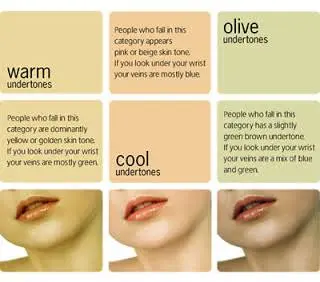
Have you ever purchased a foundation that looked too orange on your face or noticed that both gold and silver jewelry suit you equally well? If so, you may have olive skin.
Many people spend years believing they have warm or neutral undertones before discovering they actually have olive skin. Unlike traditional skin categories, olive skin can have warm, cool, or neutral-leaning undertones, making it more difficult to identify accurately.
Learning how to tell if you have olive skin involves more than looking at your complexion. Your undertones, how your skin reacts to sunlight, and even the colors that flatter you can provide important clues.
This guide explains simple and reliable methods that can help you identify olive skin with confidence.
Quick Answer
You may have olive skin if:
- Your foundation looks too orange or pink.
- You tan easily.
- Your complexion appears muted rather than rosy.
- Both silver and gold jewelry suit you.
- Your skin sometimes looks slightly green, golden, or gray in certain lighting.
- Earth tones and jewel tones complement your appearance.
- Traditional undertone tests produce confusing results.
The most accurate way to identify olive skin is to combine several tests rather than relying on only one method.
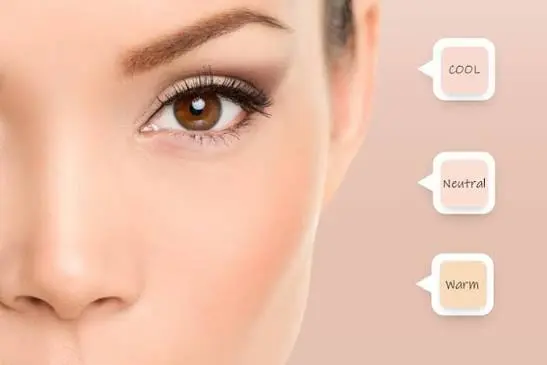
An Olive Skin Tone Chart can help you quickly identify the unique undertones and shades that define olive skin.
Table of Contents
- What Is Olive Skin?
- Why Olive Skin Is Difficult to Identify
- Olive Skin Test
- Signs of Olive Skin
- Foundation Matching Guide
- Jewelry Test
- Natural Light Assessment
- Common Mistakes to Avoid
- Expert Tips for Identification
- Frequently Asked Questions
What Is Olive Skin?
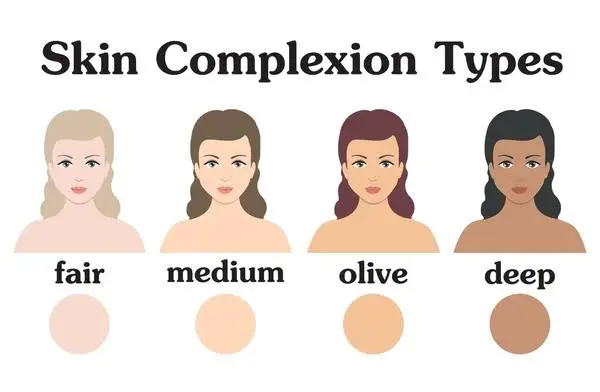
Olive skin tone is a skin tone that contains subtle muted, golden, green, or neutral undertones. It may range from fair olive skin to deep olive complexions.
One of the biggest misconceptions about olive skin is that it must always appear tan or medium in depth. In reality, olive undertones can occur across light, medium, tan, and deep skin tones.
People with olive skin often experience challenges when:
- Choosing foundation shades
- Identifying their undertones
- Selecting flattering colors
- Using traditional skin tone charts
Olive skin is unique because it does not always fit neatly into warm, cool, or neutral categories.
Why Olive Skin Is Difficult to Identify
Many undertone guides suggest that:
- Green veins indicate warm skin.
- Blue veins indicate cool skin.
- Mixed veins indicate neutral skin.
While these methods may work for some individuals, olive skin frequently behaves differently.
For example, someone with olive skin may have:
- Green veins
- Neutral-appearing undertones
- Difficulty matching foundation
- Both warm and cool characteristics
This explains why many people are incorrectly categorized for years.
Expert Insight
Olive skin should be evaluated using multiple characteristics rather than a single test. Combining visual observations with foundation matching and jewelry tests usually provides more reliable results.
How to Tell if You Have Olive Skin
The simplest way to determine if you have olive skin is to answer the following questions honestly.
Olive Skin Identification Checklist
Do you:
- Tan easily?
- Struggle to find foundation matches?
- Notice that orange foundations look unnatural?
- Suit both silver and gold jewelry?
- Have muted rather than pink undertones?
- Look best in earthy or jewel tones?
- Find traditional undertone tests confusing?
If you answered “yes” to several of these questions, olive undertones are possible.
Remember that no single characteristic confirms olive skin. Multiple signs should be considered together.
The Complete Olive Skin Test
Step 1: Observe Your Skin in Natural Light
Stand near a window during daylight without makeup.
Ask yourself:
- Does your complexion appear muted?
- Does it look slightly golden?
- Does it occasionally appear green or gray?
- Does it lack obvious pink tones?
Natural lighting provides the most accurate results.
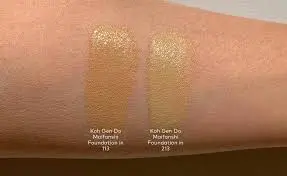
Step 2: Perform the Foundation Test
Apply foundation samples to both your jawline and neck.
Common signs of olive skin include:
- Foundations turning orange.
- Neutral shades appearing pink.
- Yellow foundations appearing overly warm.
- Difficulty finding exact matches.
People with olive skin frequently require products formulated specifically for olive undertones.
Step 3: Examine Your Veins
Look at the veins on your wrist in natural daylight.
| Vein Appearance | Possible Undertone |
|---|---|
| Green | Warm or Olive |
| Blue | Cool |
| Blue-Green | Neutral or Olive |
| Mixed Colors | Neutral or Olive |
This test should always be used alongside other methods.
Step 4: Perform the Jewelry Test
Wear both silver and gold jewelry separately.
Observe which appears more flattering.
Warm Olive Skin
Often complements:
- Gold jewelry
- Bronze accessories
- Warm metallic shades
Cool Olive Skin
Often complements:
- Silver jewelry
- White gold
- Cool metallic shades
Neutral Olive Skin
Usually suits:
- Gold
- Silver
- Rose gold
Many people with olive undertones find that all three options complement their complexion.
Understanding Olive Undertones
Olive skin is not limited to one undertone category.
Warm Olive
Characteristics include:
- Golden appearance
- Warm muted undertones
- Easy tanning ability
Neutral Olive
Characteristics include:
- Balanced undertones
- Flexible color compatibility
- Minimal redness
Cool Olive
Characteristics include:
- Muted or slightly gray appearance
- Cooler undertones
- Greater difficulty matching traditional foundation shades
Understanding your undertones is equally as important as identifying your overall skin tone.
Quick Tip
Do not rely solely on social media filters or online quizzes to identify your skin tone. Natural daylight remains one of the most reliable tools for evaluating your complexion accurately.
Visual Suggestions
For better user engagement, place the following visuals within this section:
- Olive Skin Identification Checklist infographic.
- Olive Skin Test flowchart.
- Olive Undertone comparison table.
- Foundation matching examples.
- Natural light versus artificial light comparison images.
- Jewelry compatibility chart.
Common Signs of Olive Skin
Olive skin has several unique characteristics that become easier to recognize once you know what to look for. While not everyone will experience every sign, many people with olive undertones share similar traits.
You Tan Easily
One of the most common signs of olive skin is tanning relatively easily. Your skin may develop:
- A golden tan
- A bronzed appearance
- A deeper olive complexion after sun exposure
Keep in mind that tanning habits vary from person to person. Always use sunscreen, regardless of your skin tone.
Your Foundation Never Looks Quite Right
If you’ve ever said:
- “This foundation is too orange.”
- “This one looks too pink.”
- “The neutral shade looks gray on me.”
There is a good chance your undertones are more complex than traditional warm or cool categories.
Many people discover they have olive skin only after struggling with foundation matching for years.
Your Skin Appears Different in Various Lighting
Olive skin can appear:
- Golden in sunlight
- Muted indoors
- Slightly green in certain lighting
- Neutral in photographs
This changing appearance often confuses when identifying undertones.
You Look Good in Earth Tones
Many olive complexions are naturally complemented by:
- Olive green
- Forest green
- Camel
- Chocolate brown
- Deep navy blue
- Burgundy
- Emerald green
These shades tend to enhance the muted quality of olive undertones.
Signs of Olive Skin Checklist
Use this quick checklist to evaluate your complexion.
| Sign | Yes | No |
|---|---|---|
| You tan easily | □ | □ |
| Foundation appears orange | □ | □ |
| Your skin looks muted rather than rosy | □ | □ |
| Both gold and silver jewelry suit you | □ | □ |
| Traditional undertone tests confuse you | □ | □ |
| Earth tones look flattering | □ | □ |
| Your complexion changes under different lighting | □ | □ |
| Neutral foundations rarely match perfectly | □ | □ |
If several statements apply to you, olive undertones are worth considering.
Olive Skin vs Warm, Cool, and Neutral Skin
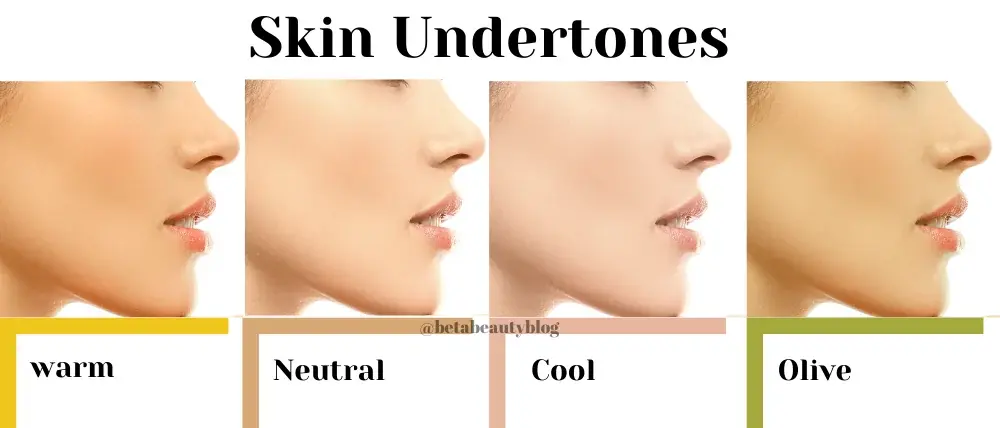
Many people confuse olive skin with warm undertones because of its golden appearance. The difference becomes clearer when comparing their characteristics.
| Feature | Olive Skin | Warm Skin | Cool Skin | Neutral Skin |
|---|---|---|---|---|
| Undertones | Muted, green, golden | Yellow or golden | Pink or blue | Balanced |
| Foundation Matching | Often difficult | Usually straightforward | Usually straightforward | Moderate |
| Jewelry Compatibility | Often both gold and silver | Gold | Silver | Both |
| Skin Appearance | Changes in lighting | Warm throughout | Cool throughout | Balanced |
| Tanning Ability | Often easy | Moderate | Varies | Moderate |
Olive skin is unique because it may share characteristics with multiple undertone categories simultaneously.
The Natural Light Test
Natural lighting provides one of the most accurate ways to evaluate your complexion.
Follow These Steps
- Remove all makeup.
- Stand beside a window during daylight.
- Observe both your face and neck.
- Compare your complexion against white clothing or paper.
- Notice whether your skin appears muted, golden, neutral, or slightly green.
What to Look For
People with olive skin often notice:
- Less visible redness
- Muted undertones
- Balanced warmth
- Slight green or golden tones
Artificial lighting can significantly alter your appearance, so natural daylight is recommended whenever possible.
Common Mistakes When Identifying Olive Skin
Mistake 1: Assuming Olive Skin Must Be Medium or Tan
Olive undertones occur across:
- Fair skin
- Light skin
- Medium skin
- Tan skin
- Deep skin tones
Light olive skin is frequently overlooked because it does not fit common beauty standards associated with olive complexions.
Mistake 2: Using Only the Vein Test
The vein test can be helpful, but it should never be used alone.
Olive skin may display:
- Green veins
- Blue-green veins
- Mixed vein colors
Using multiple tests together produces more reliable results.
Mistake 3: Ignoring Foundation Problems
Foundation matching difficulties are often one of the strongest indicators of olive undertones.
If products consistently appear:
- Orange
- Yellow
- Pink
- Ashy
Your undertones may require more careful evaluation.
Mistake 4: Confusing Olive Skin With Neutral Undertones
Neutral and olive undertones may appear similar initially. The difference is that olive skin often contains muted or green characteristics that neutral undertones do not.
Mistake 5: Depending Entirely on Online Filters
Photo filters and beauty applications frequently alter:
- Skin temperature
- Saturation
- Color balance
- Contrast
Natural lighting remains significantly more reliable.
Olive Skin Myths
Myth: Olive Skin Is Always Warm
False.
Olive skin may be:
- Warm olive
- Neutral olive
- Cool olive
Myth: Olive Skin Must Be Dark
False.
Olive undertones can occur in fair and light complexions.
Myth: The Vein Test Never Fails
False.
While helpful, vein colors are not always accurate indicators of undertones.
Myth: Olive Skin Cannot Wear Cool Colors
False.
Many cool olive complexions look beautiful in:
- Navy blue
- Plum
- Burgundy
- Emerald green
- Charcoal gray
Expert Recommendations
Professional makeup artists frequently recommend evaluating:
- Foundation performance.
- Jewelry compatibility.
- Natural lighting observations.
- Seasonal color preferences.
- Multiple undertone tests together.
No single test should determine your skin tone.
Pro Tip
Keep photographs of yourself in natural daylight while wearing different colors. Over time, patterns become easier to recognize. You may notice that specific shades consistently make your complexion appear brighter and healthier.
Best Practices for Identifying Olive Skin
- Evaluate your skin without makeup.
- Use daylight whenever possible.
- Test multiple foundation shades.
- Observe your complexion throughout the day.
- Compare both your face and neck.
- Consider your jewelry preferences.
- Look for recurring patterns instead of relying on one characteristic.
Identifying olive skin is usually a process rather than a single observation.
People Also Ask
Can You Have Fair Olive Skin?
Yes. Olive undertones are not limited to medium or tan complexions. Many people with fair or light skin have olive undertones but are mistakenly categorized as warm or neutral toned.
Fair olive skin often appears muted rather than rosy and may tan more easily than expected.
Why Does My Foundation Always Look Orange?
This is one of the most common signs of olive skin. Many foundation formulas are designed for pink or yellow undertones. Olive skin contains muted, green, golden, or balanced undertones that can make traditional shades appear orange or unnatural.
If multiple foundations consistently look too warm, olive undertones may be the reason.
Is Olive Skin Warm or Cool?
Olive skin can be:
- Warm olive
- Neutral olive
- Cool olive
There is no single olive skin type. Your undertones determine which colors, makeup shades, and accessories will suit you best.
Can Olive Skin Wear Both Gold and Silver Jewelry?
Many people with olive skin can wear both gold and silver jewelry beautifully. Neutral olive undertones are particularly versatile, while warm olive skin often favors gold and cool olive skin may lean toward silver.
Does Olive Skin Change Color?
Your undertones remain relatively consistent, but your skin depth can change throughout the year because of sun exposure. Olive skin may appear:
- Lighter during colder months
- More golden during summer
- More muted under artificial lighting
This variation is completely normal.
Frequently Asked Questions
How Do I Know if I Have Olive Skin?
The most reliable approach combines several tests, including:
- The natural light test
- The foundation test
- The jewelry test
- Observing how easily your skin tans
- Identifying recurring foundation matching problems
Using multiple methods together usually provides the most accurate results.
What Is the Olive Skin Test?
An olive skin test is a combination of observations that help identify olive undertones. It involves examining your complexion in natural light, testing foundation shades, evaluating jewelry compatibility, and recognizing common signs of olive skin.
Are Olive Undertones Rare?
Olive undertones are more common than many people realize. They occur across different ethnicities and skin depths. They are frequently misunderstood because traditional undertone categories do not always account for the muted qualities of olive skin.
Can Olive Skin Have Redness?
Yes. Temporary redness caused by skincare products, temperature changes, or sensitivity does not necessarily determine your undertones. Someone with olive skin may still experience facial redness while maintaining olive undertones beneath the surface.
Why Is It So Difficult to Find Foundation for Olive Skin?
Many cosmetic products are formulated primarily for warm, cool, or neutral undertones. Olive undertones can require specialized formulations that balance muted, golden, or green characteristics more accurately.
Does Olive Skin Always Tan Easily?
Many people with olive skin tan relatively easily, but individual experiences vary depending on genetics, sun protection habits, and environmental factors. Olive undertones alone do not guarantee a particular tanning response.
Featured Snippet Answer
How to Tell if You Have Olive Skin?
You may have olive skin if your complexion appears muted rather than rosy, foundations frequently look too orange or pink, and both gold and silver jewelry complement your appearance. Olive skin can have warm, cool, or neutral undertones and often tans easily. The most accurate way to determine if you have olive skin is to combine natural light observations, foundation testing, and undertone assessments rather than relying on a single method.
Key Takeaways
- Olive skin can be fair, light, medium, tan, or deep.
- Olive undertones may be warm, cool, or neutral.
- Foundation matching difficulties are a common sign of olive skin.
- Natural daylight provides the most accurate environment for evaluating your complexion.
- No single test can confirm olive undertones with complete accuracy.
- Multiple identification methods should be used together.
- Both gold and silver jewelry may complement olive skin, depending on its undertones.
- Olive skin is frequently mistaken for warm or neutral skin because of its unique characteristics.
Visual Suggestions
The following visuals can improve readability and engagement:
- Olive Skin Identification Flowchart
- Olive Skin Test Checklist Infographic
- Olive vs Warm vs Cool vs Neutral Comparison Table
- Foundation Shade Matching Diagram
- Jewelry Compatibility Chart
- Natural Light Skin Tone Assessment Guide
- Seasonal Color Analysis Illustration
- Common Signs of Olive Skin Graphic
Conclusion
Learning how to tell if you have olive skin involves understanding more than just your complexion’s surface appearance. Olive undertones are unique and may present as warm, cool, or neutral while appearing muted, golden, or balanced in different lighting conditions.
If you’ve struggled to find the right foundation shade, noticed that traditional undertone tests don’t quite fit, or found that both gold and silver jewelry complement your skin, olive undertones may be worth exploring. Looking at recurring patterns, rather than relying on a single test, often provides the clearest answer.
By using natural light observations, foundation matching techniques, and undertone assessments together, you can identify your skin tone more confidently and make better choices when selecting makeup, clothing colors, and accessories.
People Also Ask
Can You Have Fair Olive Skin?
Yes. Olive undertones are not limited to medium or tan complexions. Many people with fair or light skin have olive undertones but are mistakenly categorized as warm or neutral toned.
Fair olive skin often appears muted rather than rosy and may tan more easily than expected.
Why Does My Foundation Always Look Orange?
This is one of the most common signs of olive skin. Many foundation formulas are designed for pink or yellow undertones. Olive skin contains muted, green, golden, or balanced undertones that can make traditional shades appear orange or unnatural.
If multiple foundations consistently look too warm, olive undertones may be the reason.
Is Olive Skin Warm or Cool?
Olive skin can be:
- Warm olive
- Neutral olive
- Cool olive
There is no single olive skin type. Your undertones determine which colors, makeup shades, and accessories will suit you best.
Can Olive Skin Wear Both Gold and Silver Jewelry?
Many people with olive skin can wear both gold and silver jewelry beautifully. Neutral olive undertones are particularly versatile, while warm olive skin often favors gold and cool olive skin may lean toward silver.
Does Olive Skin Change Color?
Your undertones remain relatively consistent, but your skin depth can change throughout the year because of sun exposure. Olive skin may appear:
- Lighter during colder months
- More golden during summer
- More muted under artificial lighting
This variation is completely normal.
Frequently Asked Questions
How Do I Know if I Have Olive Skin?
The most reliable approach combines several tests, including:
- The natural light test
- The foundation test
- The jewelry test
- Observing how easily your skin tans
- Identifying recurring foundation matching problems
Using multiple methods together usually provides the most accurate results.
What Is the Olive Skin Test?
An olive skin test is a combination of observations that help identify olive undertones. It involves examining your complexion in natural light, testing foundation shades, evaluating jewelry compatibility, and recognizing common signs of olive skin.
Are Olive Undertones Rare?
Olive undertones are more common than many people realize. They occur across different ethnicities and skin depths. They are frequently misunderstood because traditional undertone categories do not always account for the muted qualities of olive skin.
Can Olive Skin Have Redness?
Yes. Temporary redness caused by skincare products, temperature changes, or sensitivity does not necessarily determine your undertones. Someone with olive skin may still experience facial redness while maintaining olive undertones beneath the surface.
Why Is It So Difficult to Find Foundation for Olive Skin?
Many cosmetic products are formulated primarily for warm, cool, or neutral undertones. Olive undertones can require specialized formulations that balance muted, golden, or green characteristics more accurately.
Does Olive Skin Always Tan Easily?
Many people with olive skin tan relatively easily, but individual experiences vary depending on genetics, sun protection habits, and environmental factors. Olive undertones alone do not guarantee a particular tanning response.
Featured Snippet Answer
How to Tell if You Have Olive Skin?
You may have olive skin if your complexion appears muted rather than rosy, foundations frequently look too orange or pink, and both gold and silver jewelry complement your appearance. Olive skin can have warm, cool, or neutral undertones and often tans easily. The most accurate way to determine if you have olive skin is to combine natural light observations, foundation testing, and undertone assessments rather than relying on a single method.
Key Takeaways
- Olive skin can be fair, light, medium, tan, or deep.
- Olive undertones may be warm, cool, or neutral.
- Foundation matching difficulties are a common sign of olive skin.
- Natural daylight provides the most accurate environment for evaluating your complexion.
- No single test can confirm olive undertones with complete accuracy.
- Multiple identification methods should be used together.
- Both gold and silver jewelry may complement olive skin, depending on its undertones.
- Olive skin is frequently mistaken for warm or neutral skin because of its unique characteristics.
Visual Suggestions
The following visuals can improve readability and engagement:
- Olive Skin Identification Flowchart
- Olive Skin Test Checklist Infographic
- Olive vs Warm vs Cool vs Neutral Comparison Table
- Foundation Shade Matching Diagram
- Jewelry Compatibility Chart
- Natural Light Skin Tone Assessment Guide
- Seasonal Color Analysis Illustration
- Common Signs of Olive Skin Graphic
Conclusion
Learning how to tell if you have olive skin involves understanding more than just your complexion’s surface appearance. Olive undertones are unique and may present as warm, cool, or neutral while appearing muted, golden, or balanced in different lighting conditions.
If you’ve struggled to find the right foundation shade, noticed that traditional undertone tests don’t quite fit, or found that both gold and silver jewelry complement your skin, olive undertones may be worth exploring. Looking at recurring patterns, rather than relying on a single test, often provides the clearest answer.
By using natural light observations, foundation matching techniques, and undertone assessments together, you can identify your skin tone more confidently and make better choices when selecting makeup, clothing colors, and accessories.