
Finding the right jewelry for olive undertones comes down to one idea: warmth harmonizes, coolness clashes. Olive undertones carry a soft green-gold base that changes how metals and gemstones read against the skin, which is why the same necklace can look flat on one person and radiant on another. This guide breaks down exactly which metals, gemstones, and color combinations work in your favor, what to avoid, and how to shop by occasion. You will also learn how to confirm your undertone before you buy anything. By the end, choosing jewelry for olive undertones should feel like a formula, not a guessing game.
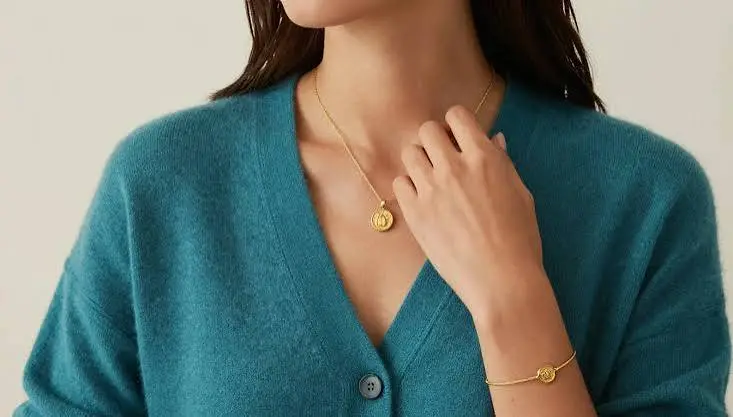
Table of Contents
What Makes an Olive Undertone Different in Jewelry
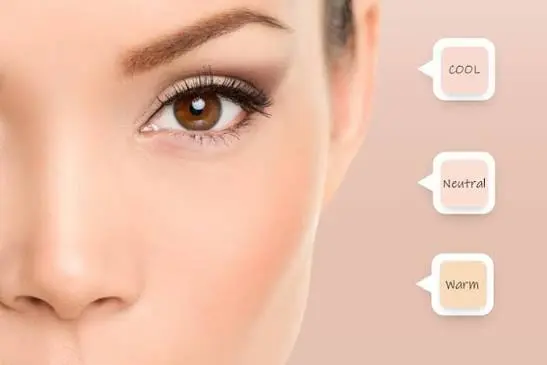
Olive undertones sit between warm and cool, carrying a green-gold cast beneath the surface of the skin. This is different from most warm or cool undertones, which lean cleanly in one direction. Because of this in-between quality, jewelry for olive undertones has more flexibility than most guides suggest, but it still responds better to certain metals and stones than others. Gold-based metals and earthy, warm gemstones tend to sit closest to the skin’s natural color family, which is why they read as flattering rather than competing.
Cool, icy tones behave differently. Bright white metals and frosty blue or pink stones can pull attention to the green component of the undertone, sometimes making the skin look slightly dull or grey near the jewelry. This does not mean cool metals are off-limits, only that they need warmer gemstone pairings to balance them out. Understanding this warm-cool relationship is the foundation for every recommendation in this guide.
How to Tell If You Have an Olive Undertone
The fastest way to confirm an olive undertone is the vein test. Look at the veins on the inside of your wrist in natural light: if they appear more green than blue or purple, that points to an olive or warm undertone rather than a cool one. Pair this with the jewelry test, since gold typically looks more flattering than silver against a genuine olive undertone.
A third check is the sun test. Olive undertones tend to tan easily and rarely burn, often taking on a deeper golden or bronze cast rather than turning pink. If your skin also has a faint greenish cast in certain lighting, particularly indoors under warm bulbs, that is another sign you are working with an olive undertone rather than a standard warm or neutral one.
A fourth option is the white paper test, which works well as a tiebreaker if the vein and jewelry tests feel inconclusive. Hold a plain white sheet of paper directly next to your face in natural daylight and look at how your skin reacts against it. Warm undertones tend to look golden or yellow next to white, cool undertones look pink or rosy, and olive undertones typically show a subtle green or grey-green cast that neither warm nor cool skin produces. Running two or three of these tests together gives a far more reliable read than relying on any single method alone, since lighting and skin conditions can throw off an individual test on any given day.
Warm-Olive, Cool-Olive, and Neutral-Olive: Do They Wear Jewelry Differently?
Olive undertones are not one uniform category, and this is a distinction most jewelry guides skip entirely. A warm-olive undertone leans more golden and tolerates rich yellow gold and warm gemstones like citrine and amber especially well. A cool-olive undertone still carries the green base but sits slightly greyer or ashier, which means it can handle a touch more white gold or platinum than a warm-olive undertone, as long as the gemstone itself stays warm.
A neutral-olive undertone sits in the middle of the two and tends to be the most flexible of the three, comfortably wearing yellow gold, rose gold, and even well-chosen white gold pieces without much risk of clashing. If you are unsure which of the three you fall into, pay attention to whether your skin looks more golden (warm-olive) or more grey-green (cool-olive) in the white paper test above. Knowing which subtype you fall into makes every recommendation in this guide easier to fine-tune to your exact coloring.
Gold vs Silver Jewelry: Which One Wins for Olive Undertones
Gold wins for most olive undertones, and yellow gold in particular. The yellow-green warmth of gold sits in the same color family as the green-gold base of the skin, so instead of competing with the undertone, it deepens it. Silver is not forbidden, but it performs best in oxidized or antique finishes rather than bright, polished silver, which can look cold and slightly stark by comparison.
This is the single most searched question around jewelry colors for this undertone, and it is worth stating plainly: gold vs silver jewelry is not a close call here. Gold flatters more consistently across nearly every olive undertone, while silver requires more careful pairing to avoid a washed-out effect.
Why Yellow Gold Flatters Olive Undertones
Yellow gold and olive undertones share the same yellow-green color family, which is why the pairing looks intentional rather than accidental. When gold sits close to the skin, it reflects warmth back onto the face, giving the complexion a healthier, more lit-from-within appearance. This effect is strongest with high-karat or antique-finish gold, since the deeper yellow tone matches the richness of the undertone more closely than pale, heavily alloyed gold.
Many people with olive undertones notice their skin looks more even and less sallow the moment they put on a gold piece. This is not a coincidence. It is a direct result of color harmony, where similar tones amplify each other instead of creating contrast.
When Silver Still Works
Silver is not a hard no for olive undertones, but it works best in specific forms. Oxidized silver, blackened silver, and antique silver finishes carry warmer undertones themselves, which softens the usual cold effect of bright silver. Silver jewelry paired with warm gemstones, like a garnet ring in a silver setting, also balances the metal’s coolness.
Bright, high-polish silver is the version to be cautious with, especially in pieces that sit directly against the face or neck, such as chokers or stud earrings. If silver is a non-negotiable preference, choosing warmer stone pairings and matte or hammered finishes will make the metal sit more comfortably against an olive undertone.
Best Metals for Jewelry on Olive Undertones
Not all metals perform the same way, and the differences matter more for olive undertones than for most other skin types. Here is a direct comparison of the five metals people ask about most.
| Metal | Verdict for Olive Undertones | Best Used As |
|---|---|---|
| Yellow gold | Best overall match | Everyday and statement pieces |
| Rose gold | Very good, softer alternative | Delicate and romantic pieces |
| White gold | Workable with warm gemstones | Diamond settings, formal wear |
| Platinum | Workable with warm gemstones | Bridal and fine jewelry |
| Sterling silver | Best in oxidized or antique finish | Textured, layered pieces |
Yellow Gold
Yellow gold is the anchor metal for olive undertones and the safest default across nearly every situation, from daily wear to formal events. It works equally well as a plain band, a chain, or a setting for colored gemstones, and it rarely looks out of place. If you only buy one metal type for jewelry matched to olive undertones, this is it.
Karat also matters more than most buyers realize. Higher karat gold, such as 18k or 22k, carries a deeper, richer yellow than lower karat options like 10k, and that extra depth matches an olive undertone more closely. If budget or durability pushes you toward a lower karat piece, a slightly antiqued or brushed finish can help recreate some of that richness without the higher price tag.
Rose Gold
Rose gold offers a softer version of the same warmth, thanks to its pink-orange undertone, which still sits close enough to the skin’s color family to flatter rather than clash. It suits people who want warmth without the boldness of full yellow gold. Rose gold is particularly strong for delicate, everyday pieces like thin rings or layered necklaces.
White Gold and Platinum
White gold and platinum lean cool, which means they need help from warmer gemstones or settings to avoid flattening an olive undertone. A white gold ring set with a warm citrine or garnet will read very differently than the same ring set with an icy blue topaz. These metals are common in bridal jewelry, so if platinum or white gold is a priority, balancing the gemstone choice becomes essential.
Sterling Silver and Oxidized Silver
Plain, bright sterling silver is the metal most likely to underwhelm an olive undertone, since its cool cast can emphasize the green in the skin rather than complement it. Oxidized, antiqued, or hammered silver finishes solve this by introducing warmth and texture, which softens the contrast. This makes oxidized silver a reasonable middle ground for anyone who prefers silver tones but still wants their jewelry to flatter olive undertones.
Best Gemstones for Olive Undertones
Gemstone choice follows the same warm-cool logic as metal choice. Earthy, warm, and jewel-toned stones tend to flatter olive undertones, while icy or pastel stones tend to fight against them.
Green and Earthy Stones
Green gemstones are one of the few color families that genuinely echo an olive undertone rather than contrasting with it. Emerald is the standout example, since its deep green tone directly mirrors the green-gold quality of the skin rather than competing with it. Peridot, malachite, and green tourmaline work on the same principle, creating a cohesive rather than clashing effect.
This is a real advantage that olive undertones have over most other skin types. Where green gemstones can wash out cooler or paler skin, they tend to look deliberate and rich against an olive base.
Warm Jewel Tones
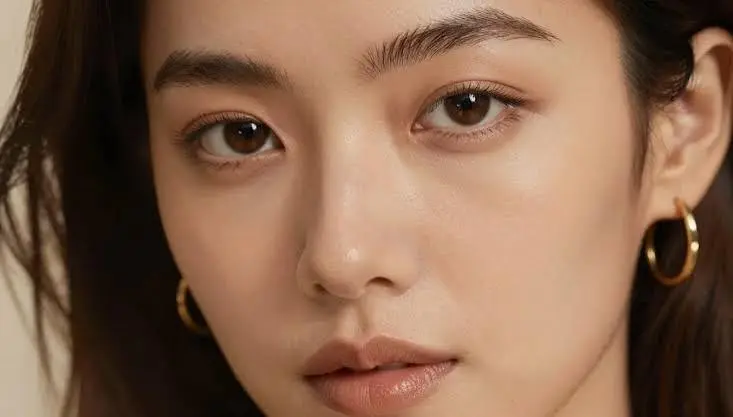
Amber, citrine, garnet, and warm-toned topaz all pick up on the golden warmth in an olive undertone. These stones work particularly well in gold settings, since the metal and gemstone reinforce each other’s warmth rather than pulling in different directions. Garnet in particular adds depth and works well for evening or statement pieces.
Ruby and warm-leaning sapphire can also work, though they sit slightly further from the undertone’s natural color family than the stones above. They tend to perform best when set in gold rather than white metal, which keeps the overall look aligned with the skin’s warmth.
Neutral, Everyday Stones
For subtler, everyday jewelry, golden and champagne pearls tend to outperform stark white pearls against an olive undertone. Their creamy, warm cast blends with the skin rather than creating contrast. Onyx and smoky quartz also work well as neutral, low-maintenance options that do not fight the undertone.
Jewelry Colors and Combinations to Avoid
Icy blue stones, such as pale aquamarine or cool blue topaz, are the combination most likely to clash with an olive undertone. Their cold cast contrasts sharply with the warm-green base of the skin, which can create a slightly disconnected or washed-out look rather than a flattering one. Stark white diamonds set in bright silver or white gold carry a similar risk, particularly in pieces worn close to the face.
Cool pink stones, like icy morganite or pale pink tourmaline, tend to have the same effect, since their coolness emphasizes the green in the undertone rather than balancing it. This does not mean these stones are permanently off-limits. Setting them in warm gold rather than silver, or pairing them with a warmer piece nearby, can offset the contrast significantly.
How to Choose Jewelry for Olive Undertones by Occasion
The right jewelry for olive undertones changes slightly depending on the setting, though the underlying warm-metal logic stays consistent throughout.
Everyday and Work
For daily wear, a simple yellow or rose gold chain, small gold studs, or a thin gold band covers most situations without drawing too much attention. These pieces are versatile enough for an office environment while still reinforcing the warmth that flatters an olive undertone. Layered gold necklaces in varying lengths also work well for a polished, low-effort look.
Evening and Special Occasions
Evening occasions are where richer stones can take center stage. Garnet drop earrings, an emerald pendant, or a citrine cocktail ring in a gold setting all read as intentional and striking rather than overdone. These combinations lean into the natural advantage olive undertones have with deep, warm color.
Bridal and Statement Pieces
Bridal jewelry often defaults to white gold or platinum, which is workable as long as the gemstone choice leans warm. A warm-toned diamond, champagne diamond, or a soft garnet accent can keep a platinum setting from looking too cold against an olive undertone. For statement pieces outside of bridal wear, large gold cuffs or bold gemstone pendants make the most of the undertone’s ability to carry bigger, richer jewelry well.
Caring for Warm-Toned Jewelry
Gold and warm gemstones need a little upkeep to keep their color reading true against an olive undertone. Body oils and lotions build up faster on textured or antiqued gold finishes, which can dull the warmth that makes the piece flattering in the first place. A quick wipe with a soft cloth after wearing, and an occasional clean with mild soap and warm water, keeps gold jewelry looking as rich as the day it was bought.
Gemstones need slightly different care depending on the stone. Emerald and other softer stones should avoid ultrasonic cleaners and harsh chemicals, since these can damage inclusions or fracture the stone over time. Citrine, garnet, and amber are generally more durable, but storing all colored gemstones away from direct sunlight when not in use helps prevent fading and keeps their warm tones consistent with an olive undertone for years rather than months.
Buying on a Budget
Fine jewelry is not the only route to warm-toned pieces that flatter an olive undertone. Gold-vermeil and gold-plated costume jewelry can replicate the same warm color family at a fraction of the cost, which makes it easy to experiment with statement pieces before committing to fine jewelry versions. The tradeoff is durability, since plating wears down faster with regular contact, so lower-cost pieces are best reserved for occasional wear rather than daily use.
For anyone building a jewelry collection gradually, prioritizing one versatile gold piece, such as a medium hoop earring or a simple chain, gives the most flexibility across both budget and occasion. Adding warm gemstone pieces like citrine or garnet later fills in the collection without needing to replace anything bought earlier.
Styling Tips: Mixing Metals and Layering on Olive Undertones
Metal mixing works for olive undertones as long as gold remains the anchor. Pairing yellow gold with antique bronze or oxidized gold adds texture without introducing a cold contrast, and a small amount of rose gold can slot in easily since its warmth matches the same undertone family. The combination to avoid is gold paired heavily with bright, polished silver, since the contrast between warm and cool becomes the most noticeable part of the look rather than the jewelry itself.
Jewelry choices also work best as part of a broader beauty routine built around the same undertone logic. If you already lean warm in your jewelry choices, the same principle tends to apply to makeup, and pairing your jewelry decisions with the right lipstick for olive undertones creates a more cohesive, intentional look rather than two unrelated choices. Building a look this way, from jewelry to lip color, keeps every warm-toned decision reinforcing the next.
Frequently Asked Questions
Does gold or silver look better on olive undertones? Gold, especially yellow gold, is almost always more flattering. It shares the same warm color family as the undertone, while bright silver can look cold and slightly stark by comparison.
Can olive undertones wear silver jewelry at all? Yes, but oxidized, antique, or hammered silver finishes work better than bright polished silver, since the warmer cast softens the usual cold contrast.
What gemstones are best for olive undertones? Emerald, citrine, garnet, amber, and peridot are among the strongest choices, since their warm or green tones echo rather than clash with the undertone.
Is rose gold a good choice for olive undertones? Rose gold works very well. Its pink-orange warmth sits close enough to the skin’s natural color family to flatter without the boldness of full yellow gold.
How can I tell if I have an olive undertone? Check the veins on your wrist in natural light. Greenish veins point to an olive undertone, and gold typically looking better than silver against your skin confirms it.
What jewelry colors should olive undertones avoid? Icy blue stones, stark white diamonds in bright silver, and cool pink stones like pale morganite tend to clash most, since their coolness contrasts with the undertone’s warmth.
Is white gold ever a good choice for olive undertones? Yes, as long as the gemstone leans warm. A white gold setting with a citrine, garnet, or warm-toned diamond balances the metal’s coolness far better than pairing it with an icy blue or pale pink stone.
Do warm-olive and cool-olive undertones wear the same jewelry? Not exactly. Warm-olive undertones tend to suit rich yellow gold and warm gemstones most, while cool-olive undertones can handle a touch more white gold or platinum, provided the gemstone itself still leans warm.
Final Thoughts
Jewelry for olive undertones responds best to warmth, whether that warmth comes from yellow gold, rose gold, or gemstones like emerald, citrine, and garnet. Cooler metals and icy stones are not off-limits, but they need warmer pairings to avoid clashing with the skin’s natural green-gold base. Once you confirm your undertone with a quick vein or jewelry test, choosing pieces that flatter rather than fight your complexion becomes far easier. From everyday gold studs to a statement emerald pendant for evening, the right choices consistently come back to the same warm-toned logic.