
Intro
Olive skin tone meaning refers to a complexion with a subtle green, gray, or golden cast beneath the surface, rather than a purely pink or yellow hue. The name comes directly from the color of an olive, since the skin carries that same muted, earthy tint. People with this complexion often notice that foundation shades labeled “warm” or “cool” never quite match, because olive skin blends both. It shows up most commonly among those with Mediterranean, Middle Eastern, South Asian, and Latin American backgrounds, though it can appear in any population. Understanding the olive skin tone meaning helps with everything from picking makeup to choosing clothing colors that actually flatter the skin.
The Origin of the Olive Skin Tone Meaning
The word “olive” describes color, not race or ethnicity. It borrows its name from the fruit and the tree, both known for a soft green-brown tone. When applied to skin, it means the complexion carries a faint green or grayish undertone layered under warmer golden or brown pigments. This is different from simply having tan or brown skin, since not all brown skin carries that same green cast.
Where the Word Comes From
The comparison started as a simple visual shorthand, matching skin tone to the color of the olive fruit and its leaves. It became common in color analysis and fashion circles as a way to describe undertone without relying on race-based labels.
Olive vs. Brown Skin
Not every brown-skinned person has olive undertones. Brown describes depth, while olive describes the green-gray cast layered on top of that depth, so the two terms answer different questions.
The Science Behind Olive Skin Tone
Skin color comes from melanin, but undertone comes from how blood vessels, collagen, and pigment layers interact beneath the surface. In olive skin, a mix of eumelanin (brown-black pigment) and subtle blue-green light reflection creates that signature muted tone. This is why olive skin often tans easily and rarely burns, since higher melanin content offers more natural protection from the sun. Dermatologists sometimes place olive skin around Fitzpatrick types III and IV, though the scale measures burning and tanning response rather than undertone itself.
Melanin and Undertone
Eumelanin levels influence how deep the skin looks, while the way light reflects off collagen and blood vessels underneath shapes the undertone people see on the surface.
The Fitzpatrick Scale Connection
The Fitzpatrick scale was designed to measure sun sensitivity, not undertone, so it can hint at olive skin’s sun behavior without actually defining what makes it look olive.
How to Know If You Have Olive Skin Tone
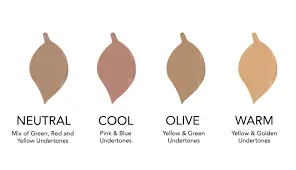
A few simple checks can confirm an olive complexion. Looking at the veins on the wrist in natural light is the most common method, since greenish veins usually point to olive or warm undertones, while blue veins suggest cool ones. Foundation shopping is another clue, since neutral shades tend to fit better than clearly warm or cool ones. Many people with olive skin also notice that both gold and silver jewelry look flattering, which is rare for skin that leans strongly warm or cool.
The Vein Test
Greenish veins on the wrist under natural light usually point to olive or warm undertones, while blue veins suggest a cooler undertone instead.
Greenish or Olive-Toned Veins
This usually signals an olive or warm-leaning undertone, especially when paired with skin that tans easily in the sun.
Blue or Mixed-Toned Veins
Blue veins point to a cooler undertone, while a visible mix of blue and green often suggests a neutral-leaning olive complexion.
The Foundation Test
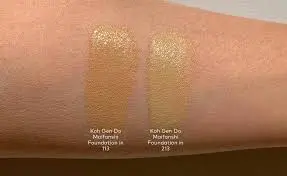
If warm shades look too yellow and cool shades look too pink, but neutral shades still feel slightly off, that gap is often a sign of olive undertone.
The Jewelry Test
Both gold and silver looking equally good against the skin is a strong, quick indicator of an olive complexion.
Olive Skin and Undertone: Warm, Cool, or Neutral?
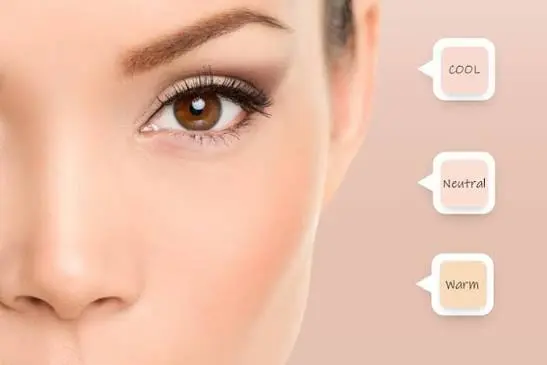
Olive skin does not fit neatly into one undertone category, and that is part of what makes it distinct. Some olive complexions lean warmer, with more golden or yellow visible in the skin. Others lean cooler, showing a soft gray or bluish tint alongside the green. A smaller group sits right in the middle, pulling evenly from both warm and cool families, which is often labeled neutral-olive.
Warm-Leaning Olive
More golden or yellow shows through the green cast, giving the skin a sun-kissed quality even without much sun exposure.
Cool-Leaning Olive
A soft gray or bluish tint sits alongside the green, often paired with a preference for jewel tones and silver jewelry.
Neutral-Leaning Olive
Warm and cool pull evenly, so the skin adapts comfortably to a wider range of colors than either extreme.
Why the Meaning Gets Confused with “Neutral”
Many beauty guides use “olive” and “neutral” interchangeably, but they are not the same thing. Neutral undertone simply means a balance between warm and cool with no strong pigment shift. Olive specifically adds a green or gray cast on top of that balance, which is a distinct visual trait rather than just an absence of warmth or coolness. This distinction matters when shopping for foundation, since a truly neutral shade may still look slightly off on olive skin if it lacks that green-gray correction.
Depth Range of Olive Skin
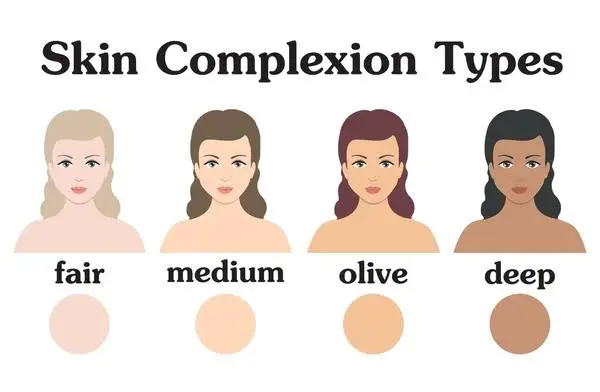
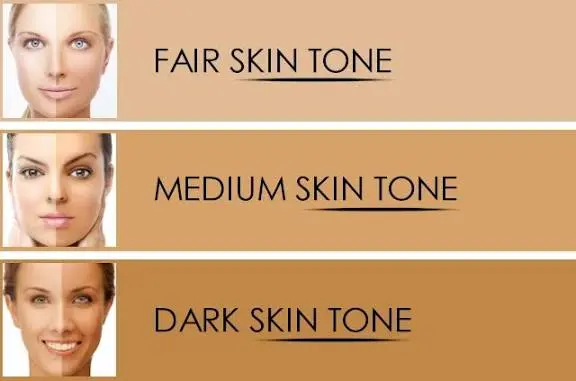
Olive skin is not one fixed depth. It can appear as light olive, with a fair base and faint green cast, medium olive, which is the most commonly recognized version, or deep olive, which carries richer brown pigment alongside the same undertone. Depth and undertone are two separate qualities, so two people can both have olive undertones while looking quite different in overall skin depth. To see how this plays out across real complexions, these olive skin tone examples show the range from light to deep olive side by side.
Light Olive
A fair base carries a faint green cast, often mistaken for a plain neutral or fair complexion at first glance.
Medium Olive
This is the most commonly recognized version, with a clear balance of golden warmth and green-gray undertone.
Foundation Matching for Medium Olive
Neutral or olive-specific shade ranges tend to match best, since standard warm or cool shades often shift too far in one direction.
Deep Olive
Richer brown pigment sits alongside the same green-gray undertone, giving the skin a deep, muted glow.
Frequently Asked Questions
What does olive skin tone actually mean? The olive skin tone meaning points to a complexion with a subtle green or gray undertone layered beneath warmer or brown pigment, named after the color of an olive.
Is olive skin tone the same as tan skin? No. Tan skin describes depth or how dark the skin looks, while olive describes undertone, which is the underlying color cast.
Is olive skin considered warm or cool? It can be either, or a balance of both. Olive is often treated as its own category rather than a subtype of warm or cool.
Which ethnicities commonly have olive skin tone? It appears most often in people of Mediterranean, Middle Eastern, South Asian, and Latin American descent, though it is not limited to these groups.
How can I check my undertone at home? The vein test and foundation shade test are the two simplest ways, along with noticing whether gold or silver jewelry looks better.
Can olive skin tone change over time? The underlying undertone stays fairly stable throughout life, though depth can shift slightly with sun exposure or age.
Final Thoughts
The olive skin tone meaning comes down to one simple idea: a green or gray undertone layered beneath warmer or deeper pigment, named after the color of an olive itself. It is not the same as tan skin, and it does not fit neatly into warm or cool categories, which is exactly why so many people struggle to place it. Once the undertone is identified through a vein check, a foundation test, or a jewelry comparison, choosing the right makeup, hair color, and clothing becomes much easier. Knowing this meaning is the first real step toward working with the skin instead of guessing against it.