
Intro
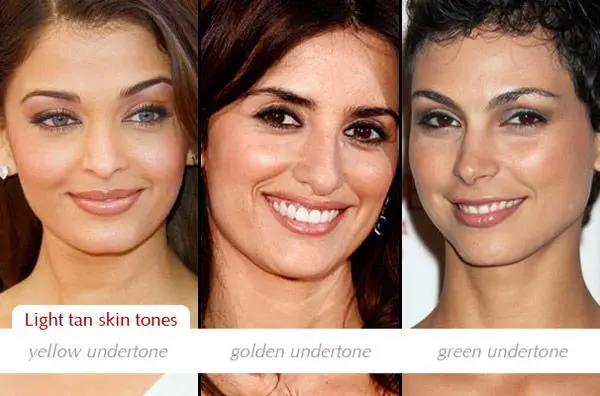
Olive skin vs tan skin is one of the most common mix-ups in beauty conversations, and the confusion makes sense at first glance, since both terms often describe complexions with a golden or brownish look. The real difference between olive and tan comes down to undertone versus depth, two separate qualities that get blended together far too often in casual conversation. Understanding this distinction changes everything from how foundation gets chosen to which colors actually flatter a given complexion. This guide breaks down exactly what separates olive skin from tan skin, how to tell them apart, and why treating them as interchangeable leads to so much makeup and color frustration. By the end, tan vs olive complexion should feel like a much clearer, more practical distinction.
Table of Contents
Olive Skin vs Tan Skin: The Core Difference
The core difference in olive skin vs tan skin comes down to one simple idea: undertone and depth are not the same thing, even though they often get discussed as if they were interchangeable.
Olive Is an Undertone
Olive describes a green or gray cast layered beneath the surface of the skin, regardless of how light or dark that skin actually is. This undertone stays constant throughout the year and does not change with sun exposure, since it reflects a genetic pigment balance rather than a surface-level reaction to UV light.
Tan Is a Depth, Not an Undertone
Tan describes a temporary or seasonal darkening of the skin’s surface caused by increased melanin production in response to sun exposure. Unlike undertone, a tan can fade over time without sun exposure, and it says nothing on its own about whether the underlying undertone is warm, cool, neutral, or olive.
Can Skin Be Both Olive and Tan at the Same Time?
Yes, and this overlap is exactly why olive skin vs tan skin causes so much confusion in the first place. A person with a true olive undertone can also develop a tan after sun exposure, which simply deepens their existing depth while the green-gray undertone remains exactly the same underneath. This means someone can accurately be described as having “tan olive skin,” combining both a sun-driven depth change and a genetically fixed undertone, without either term canceling out the other.
Olive Skin vs Tan Skin: Key Differences at a Glance
Beyond the basic definitions, several practical differences separate these two terms in real, everyday situations.
How Each Reacts to Sun Exposure
Tan skin, by definition, only exists because of sun exposure and will fade over time without continued UV exposure. Olive skin, whether or not it currently carries a tan, tends to darken gradually and rarely burns due to naturally higher melanin content, but this tanning tendency is a separate trait from the undertone itself.
How Foundation Matching Differs
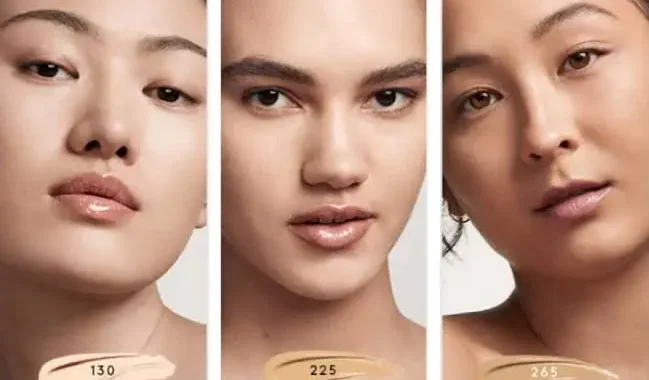
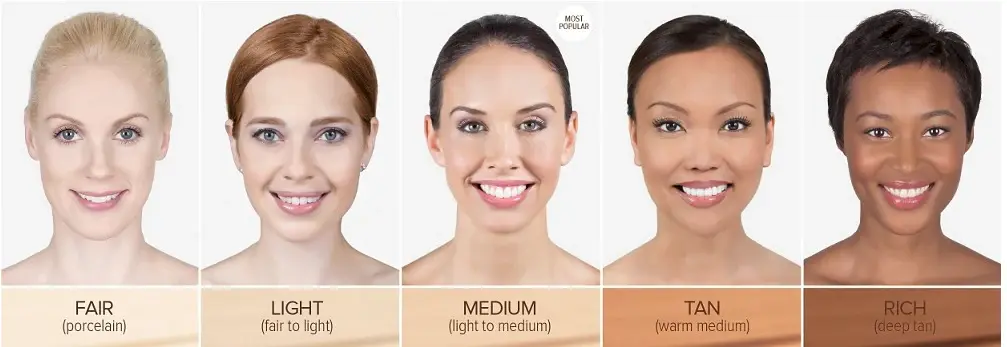
A tan alone usually just requires a deeper foundation shade within the same undertone family the person already uses. True olive skin, on the other hand, often requires switching to a foundation labeled neutral-olive or golden-olive entirely, since standard warm or cool formulas can oxidize orange or look ashy regardless of how deep or light the shade is.
How Jewelry and Color Preferences Differ
Simply having a tan does not reliably predict whether gold or silver jewelry looks better, since that preference is driven by undertone rather than depth. True olive skin, by contrast, frequently looks good in both metals due to its balanced undertone, which is a much more reliable sign of true olive skin than depth or tan status alone.
The Difference Between Olive and Tan Across Depths
Looking at how these two traits show up across different depths makes the difference between olive and tan even clearer.
Fair Skin That Tans
Someone with fair, cool, or warm undertone skin can develop a tan after sun exposure without ever having olive undertone at all. Their skin will look deeper and warmer temporarily, but the underlying pink or yellow undertone remains unchanged, and it will fade back to its original depth once sun exposure stops.
Olive Skin That Is Naturally Deeper
Someone with naturally deep olive skin was never simply “tan” to begin with, since their baseline depth and undertone are both part of their permanent, genetic complexion. This is an important distinction, since assuming naturally deep olive skin is just “a really good tan” overlooks the fact that the undertone and depth were present well before any sun exposure occurred.
Common Mistakes When Confusing Tan Skin With Olive Skin
One common mistake is assuming that anyone with a golden or brownish complexion automatically has olive skin, when in reality many tan complexions carry warm or neutral undertones without any green-gray cast at all. Another mistake involves choosing foundation based purely on depth, buying a deeper shade to match a tan without checking whether the undertone itself has shifted or needs a different formula entirely. A third mistake assumes that once a tan fades, a person’s undertone has somehow changed as well, when the true underlying undertone, whether olive or otherwise, was never affected by the tan in the first place. For a broader look at where true olive undertone appears most often across different populations, this guide on olive skin around the world breaks down the regions where it shows up consistently.
How to Tell If You Have Olive Skin or Just a Tan
A couple of simple, well-known checks can help clarify whether a complexion carries true olive undertone or is simply tanned.
The Vein Test
Looking at the veins on the inner wrist in natural daylight remains one of the most reliable checks, regardless of current tan status. Veins that look distinctly green, or a mix of green and blue, point toward true olive undertone, while purely blue veins suggest a cooler undertone unrelated to any tan.
The Off-Season Test
Checking undertone during winter or another period with minimal recent sun exposure helps separate a temporary tan from a permanent olive undertone. If the green-gray cast is still visible even without a fresh tan, that is a strong sign of true olive skin rather than simply sun-darkened depth.
Which Colors Work Differently for Olive vs. Tan Skin
Colors that flatter tan skin depend entirely on the underlying undertone beneath that tan, so a tan warm-undertone complexion and a tan cool-undertone complexion will suit different color families despite similar depth. True olive skin, regardless of current tan level, tends to handle a genuinely wider color range, including both earthy warm tones and cooler jewel tones, because of its balanced undertone. This is exactly why generic “colors for tan skin” advice often fails for people with olive undertone, since depth-based color advice ignores the undertone factor that actually determines which shades look best.
Frequently Asked Questions
Is olive skin the same as tan skin? No. Olive skin describes an undertone, while tan skin describes a temporary depth change caused by sun exposure, and the two are separate qualities that can occur independently or together.
Can someone have tan skin without having olive skin? Yes. A tan simply deepens existing skin depth and does not create or require an olive undertone, so plenty of tanned skin carries warm, cool, or neutral undertones instead.
Can someone have olive skin without ever tanning? Yes. Olive undertone is present regardless of tan status, so a person with minimal sun exposure can still have true olive undertone beneath their natural, untanned depth.
Does a tan change someone’s undertone? No. A tan only affects surface depth and fades over time, while undertone, including true olive undertone, remains fixed regardless of tanning.
How can I tell the difference between olive skin and a good tan? Checking undertone during a season with minimal sun exposure, along with the vein test, helps confirm whether a green-gray cast is a permanent trait or just temporary sun-driven depth.
Why does my foundation not match anymore after I get a tan? A tan changes depth, which usually just requires a deeper foundation shade, but if the undertone itself was always olive, a warm or cool foundation may never have matched properly in the first place.
Final Thoughts
Olive skin vs tan skin comes down to a simple but often overlooked distinction: undertone versus depth. Tan skin reflects a temporary, sun-driven darkening that fades over time, while true olive skin carries a fixed, genetic green-gray undertone that stays constant regardless of tanning. Understanding the difference between olive and tan clears up a surprising amount of confusion around foundation matching, color choices, and how a complexion is described in the first place. Once this distinction is clear, tan vs olive complexion stops being a source of frustration and becomes a much more useful way to think about skin.