
Intro
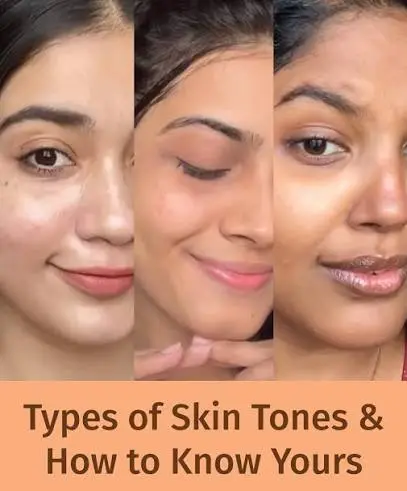
Olive skin vs brown skin is a comparison that gets muddled constantly, and even some skincare brands and complexion charts treat the two terms as interchangeable. In reality, brown describes how deep or light a complexion looks, while olive describes an entirely separate trait: the undertone sitting beneath that depth. This mix-up is not just a minor wording issue, since it leads to real confusion around foundation matching, skincare advice, and how people describe their own skin. This guide breaks down what actually separates olive complexion vs brown, why so many sources get this distinction wrong, and how to tell if your own brown skin also carries true olive undertone. By the end, the difference between the two should feel much clearer.
Table of Contents
Olive Skin vs Brown Skin: The Core Difference
The core issue in olive skin vs brown skin comes down to a basic mismatch: one term describes depth, and the other describes undertone, yet they frequently get treated as if they answer the same question.
Brown Is a Depth Category
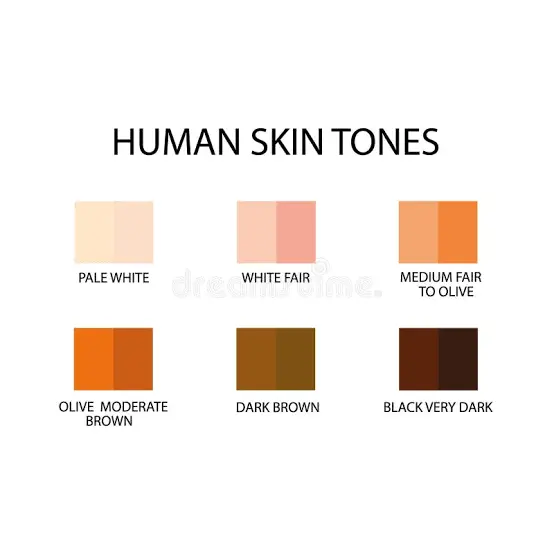
Brown skin refers to how dark or light a complexion appears, sitting further along the depth spectrum than fair or medium skin. This depth is primarily determined by overall melanin content and says nothing on its own about the undertone, meaning the subtle color cast, layered beneath that depth.
Olive Is an Undertone, Not a Depth
Olive skin refers to a green or gray cast layered beneath the surface, and this trait can occur at almost any depth, from fair to deep brown. This is exactly why “olive skin vs brown skin” is a bit of a misleading comparison to begin with, since the two terms are answering different questions rather than describing competing categories.
Why So Many Sources Confuse Olive and Brown Skin
This confusion is not just a casual mistake. Several widely used skin classification systems actively encourage the mix-up.
The Fitzpatrick Scale Grouping Problem
The Fitzpatrick Scale, created in 1975 to measure how skin reacts to sun exposure, groups olive skin under Type III or Type IV alongside various brown skin tones, since it was designed to measure burning and tanning behavior rather than undertone. Because so much skincare and dermatology content references this scale, olive and brown skin end up sitting side by side in the same phototype categories without any real distinction being drawn between them.
Complexion Charts That Skip Undertone Entirely
Some popular six-type complexion charts list “olive or light brown skin” as one depth category and “brown skin” as the very next, deeper category, treating olive as simply a slightly lighter shade of brown rather than a separate undertone trait. This kind of chart reinforces the idea that olive and brown sit on the same single scale, when in reality a brown-depth complexion can carry a warm, cool, neutral, or olive undertone, just as a fair-depth complexion can.
Can Skin Be Both Olive and Brown?
Yes, and this overlap is actually the most accurate way to think about the relationship between the two terms. A person can have brown-depth skin that also carries a true olive undertone, meaning the green-gray cast sits beneath a genuinely deep complexion rather than a fair or medium one. This combination, sometimes described as “deep olive” or “olive-brown,” is extremely common, especially among people with Middle Eastern, South Asian, and Latin American ancestry, and it represents brown depth and olive undertone working together rather than competing definitions.
Olive Complexion vs Brown: Key Differences at a Glance
Beyond the basic definitions, a few practical differences show up clearly once undertone and depth are properly separated.
Foundation Matching
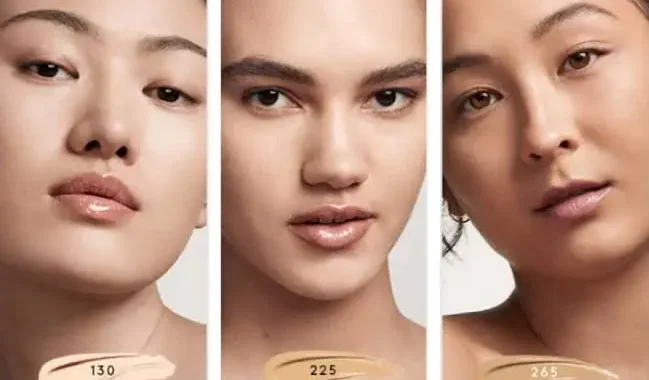
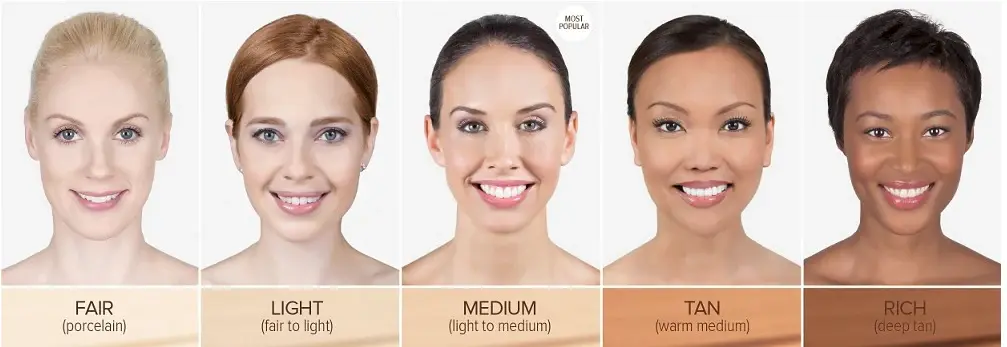
Foundation shade names typically reflect depth first, meaning “deep” or “tan” categories cover a wide range of undertones within them. A brown-skinned person without olive undertone might match well with a warm or neutral deep shade, while a brown-skinned person with true olive undertone often needs a shade specifically labeled olive or golden-olive to avoid an orange or ashy cast.
Jewelry and Color Preferences
Depth alone does not reliably predict whether gold or silver jewelry looks better, since that preference is driven by undertone rather than how light or dark the skin is. True olive undertone, regardless of depth, frequently looks good in both metals, which is a more useful indicator of olive skin than brown depth on its own.
Common Skin Concerns
Both brown skin and olive-toned skin, at any depth, tend to share a higher risk of post-inflammatory hyperpigmentation due to elevated melanin activity in response to irritation or inflammation. This shared concern is exactly why so much skincare content, including several competitor articles reviewed for this guide, focuses heavily on hyperpigmentation without ever separating out the undertone question at all.
Brown Skin vs Olive Skin: Shared Concerns, Different Causes
Even though brown and olive-toned skin often share a tendency toward hyperpigmentation, the actual cause of that concern differs slightly depending on which trait is driving it. For brown skin generally, higher overall melanin content is the primary factor behind more pronounced pigmentation after inflammation. For olive-toned skin specifically, the combination of eumelanin and pheomelanin responsible for the green-gray cast can add an additional layer of reactivity in some individuals, though the depth of the skin still plays the larger role in how visible any resulting marks become. Recognizing that these concerns overlap without being identical helps explain why skincare advice for “olive and brown skin combined,” as seen in some competitor content, can miss useful undertone-specific nuance.
How to Tell If Your Brown Skin Is Also Olive
A couple of simple, well-known checks can help determine whether brown-depth skin also carries a true olive undertone.
The Vein Test
Looking at the veins on the inner wrist in natural daylight remains the most accessible method regardless of depth. Veins that look distinctly green, or a mix of green and blue, point toward true olive undertone, while veins that look more blue or purple suggest a cooler undertone unrelated to olive.
The Foundation Test
Foundation shopping often reveals the answer before any deliberate test does. If deep or tan shades consistently look too orange, too ashy, or slightly off despite matching in overall depth, that mismatch is a strong sign of true olive undertone layered beneath the brown depth. For a closer look at how this same undertone-versus-depth confusion plays out with another commonly mixed-up term, this guide on olive skin vs tan skin breaks down a related distinction in more detail.
Why This Distinction Matters for Skincare and Makeup
Treating olive and brown skin as the same thing leads to real, practical problems, starting with foundation shade selection that only accounts for depth and ignores undertone entirely. It also affects broader color advice, since clothing and makeup recommendations based purely on brown depth can miss the wider color range that true olive undertone tends to handle well. Separating these two concepts allows for more precise skincare and makeup guidance, rather than lumping every deep or medium-deep complexion into one combined, undertone-blind category.
Frequently Asked Questions
Is olive skin the same as brown skin? No. Brown describes depth, meaning how light or dark the skin looks, while olive describes an undertone, the subtle green-gray cast beneath that depth, so the two are separate qualities.
Can brown skin also be olive? Yes. A person can have brown-depth skin with a true olive undertone at the same time, often described as deep olive or olive-brown.
Why do some websites list olive and brown skin as the same category? Many popular skin classification systems, including some versions of the Fitzpatrick Scale and complexion charts, group skin primarily by depth and sun reaction, which causes olive and brown to get treated as adjacent or identical categories.
Do olive and brown skin have the same skincare concerns? They share a tendency toward hyperpigmentation, but the exact cause can differ slightly, with brown skin driven mainly by overall melanin content and olive skin adding an undertone-specific pigment balance on top of that.
How can I tell if my brown skin also has olive undertone? The vein test and foundation test are the two simplest ways to check, especially when deep or tan foundation shades consistently look orange or ashy despite matching in depth.
Does foundation matching differ between brown and olive skin? Yes. Brown skin without olive undertone often matches standard warm or neutral deep shades, while brown skin with olive undertone frequently needs a shade specifically labeled olive or golden-olive instead.
Final Thoughts
Olive skin vs brown skin is ultimately a comparison between two different kinds of information: depth and undertone. Brown describes how light or dark a complexion is, while olive describes the green-gray cast that can appear beneath fair, medium, or deep skin alike, which is exactly why the two terms can overlap without meaning the same thing. Several widely used classification systems blur this distinction by grouping skin primarily around depth and sun reaction, which is part of why olive complexion vs brown gets treated as interchangeable so often. Once undertone and depth are properly separated, choosing foundation, skincare, and color becomes a far more accurate process for anyone with brown, olive, or both traits together.