
Intro
An olive skin tone hex code gives designers, artists, and beauty brands a precise way to reference this muted, green-gray complexion in digital work, even though no single code can capture the full range of real skin. Most color reference sites treat olive skin tone hex code searches purely as design swatches, disconnected from the undertone science that actually defines this complexion in a beauty context. This guide pulls together the actual hex codes circulating under the “olive skin” name, explains what they get right and wrong, and builds out a fuller palette across light, medium, and deep olive depths. By the end, anyone searching for an olive skin tone hex code should walk away with both accurate values and a clear understanding of how to use them.
What Is an Olive Skin Tone Hex Code?
An olive skin tone hex code is a six-character code, such as#CCAB8B, used in design software, CSS, and digital art to represent a specific shade associated with olive skin. These codes let designers reproduce a consistent color across screens, print materials, and applications without needing to describe the shade in words.
How Hex Codes Represent Skin Color
Each hex code corresponds to a specific combination of red, green, and blue light values, commonly shown as RGB numbers alongside the hex format. For olive skin tone hex codes, this typically means a fairly balanced red and green value with a lower blue value, which produces the muted, earthy quality associated with olive undertone. This numeric precision is useful for design work, though it strips away the natural variation and depth found in real skin.
Why One Single Hex Code Isn’t Enough
Real olive skin varies enormously by depth, lighting, and individual undertone, which means any single olive skin tone hex code can only ever represent one narrow example rather than the complexion as a whole. This is very similar to how “blue” covers everything from pale sky blue to deep navy, yet a single hex code can only capture one specific point on that spectrum. Understanding this limitation from the start makes the rest of this guide far more useful for real-world application.
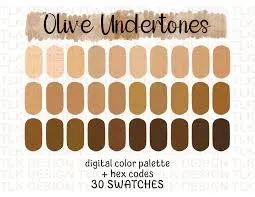
Olive Skin Tone Hex Code Examples From Popular Color Tools
Several design-focused color tools have published their own version of an olive skin tone hex code, each with slightly different values and names.
#CCAB8B, Labeled “Olive Skin”
This code translates to RGB (204, 171, 139), a warm, muted tan-brown with a hue around 30 degrees and moderate saturation. It reads as a fairly light-to-medium tone with more warmth than green, which makes it a reasonable representation of a warmer-leaning, lighter olive complexion rather than a deeply green-cast one.
#E8CFB9, Labeled “Pale Olive Skin”
This code corresponds to RGB (232, 207, 185), a very light, soft beige-tan tone. As the name suggests, it represents a pale expression of olive undertone, sitting close to the fair end of the depth spectrum while still carrying the muted warmth associated with the olive family.
The Skin 62020 Olive Palette
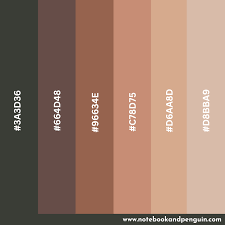
This user-submitted palette offers five related tones rather than one single code: #d1b3a2, #bf9d8e, #b6938a, #a38470, and #8c6e5a. Moving from the first to the last, these codes progress from a lighter, pinkish-tan shade down to a deeper, richer brown, offering more range than a single hex code but still without any explanation of how they connect to real undertone or depth categories.
A More Complete Olive Skin Color Code Palette by Depth
Because no single olive skin tone hex code can represent this complexion fully, a depth-based palette offers a more practical reference point for design, art, and makeup work.
Light Olive Skin Hex Codes
Light olive skin tends to fall in a range like #E8D5C4 to #D9C0A8, representing a fair base with a subtle green-gray cast layered underneath. Colors in this range work well as a starting point for digital art or foundation matching involving fair complexions with mild olive undertone.
Medium Olive Skin Hex Codes
Medium olive skin, the depth most commonly pictured when people hear the term, typically falls closer to #C9A583 to #B08D66. This range balances golden warmth with a visible muted, earthy quality, making it useful for representing the classic olive complexion most beauty guides default to.
Deep Olive Skin Hex Codes
Deep olive skin generally falls between #8C6E52 and #6B4F3A, combining richer brown pigment with the same underlying green-gray undertone found at lighter depths. This range works well for digital art and design projects that need to represent deeper olive complexions accurately rather than defaulting to a generic “brown” code.
How to Use an Olive Complexion Hex Code in Real Life
Once a suitable olive complexion hex code is chosen, it can be applied across several practical contexts beyond pure design reference.
Matching Foundation Shades
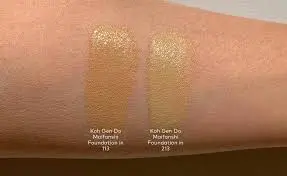
Some newer foundation formulas list approximate hex or RGB values alongside their shade names, which makes an olive skin tone hex code useful for narrowing down options before an in-store or in-person swatch test. This should always be treated as a starting point rather than a final answer, since lighting, skin texture, and formula finish all affect how a shade actually looks once applied.
Digital Art and Character Design
Illustrators, game designers, and animators frequently need accurate skin tone references to represent diverse characters authentically. An olive skin tone hex code, especially when chosen from a depth-appropriate range rather than a single generic swatch, helps avoid the common mistake of defaulting to overly pink or overly orange skin tones that don’t reflect true olive undertone.
Web and Graphic Design
Brands working on inclusive marketing, model photography color correction, or diverse illustration sets can use an olive skin color code as a reference point when color grading images or building brand style guides. Having a small palette across depths, rather than one fixed code, allows for more accurate representation across a wider range of real skin tones.
Limitations of Using a Single Hex Code for Olive Skin
Even the most carefully chosen olive skin tone hex code cannot account for the texture, sheen, and light-reflecting qualities of real skin, which flat digital colors simply cannot replicate. Lighting conditions also shift how a hex code translates to reality, since the same code can look noticeably different under warm indoor lighting compared to natural daylight. Individual variation adds another layer of complexity, since two people with the same general depth can still have meaningfully different undertones that no single code could represent for both. These limitations do not make hex codes useless, but they do mean the codes should be treated as helpful references rather than definitive answers.
How to Find Your Own Olive Skin Tone Hex Code
For anyone wanting a hex code that actually matches their own complexion, rather than relying on a generic online swatch, a couple of simple methods work well.
Using a Photo Color Picker
Taking a clear photo of the inner forearm or jawline in natural light, then using a free online color picker tool, can generate a personalized hex code fairly quickly. Sampling from a few different spots and averaging the results tends to give a more reliable code than relying on a single pixel, since skin naturally varies slightly across different areas.
Matching Under Natural Light
Photos taken under natural, indirect daylight produce far more accurate results than those taken under artificial indoor lighting, which often shifts color temperature and distorts the true undertone. Turning off any automatic filters or skin-smoothing features before taking the reference photo also helps avoid an inaccurate color reading. For a deeper understanding of why this undertone appears the way it does at a biological level, this guide on olive skin genetics explains the science behind the trait itself.
Frequently Asked Questions
What is the hex code for olive skin? There is no single universal olive skin tone hex code, since the complexion varies by depth, but common examples include #CCAB8B, #E8CFB9, and a range of related codes depending on how light or deep the skin is.
Is there an official olive skin color code? No official standard exists. Different color reference sites use different codes, which is why a depth-based range is more useful than relying on any one fixed value.
How accurate are these olive complexion hex codes? They are reasonably accurate as general references, but real skin includes texture and lighting variation that a flat digital color can never fully capture.
Can I use an olive skin tone hex code to choose foundation? It can help narrow down options before shopping, but an in-person swatch test in natural light remains the most reliable way to confirm an actual match.
Why do different websites list different hex codes for olive skin? Because olive skin spans a wide depth range, from pale to deep, each site is really only capturing one specific point along that spectrum rather than the full complexion.
How can I find the exact hex code for my own skin? Taking a photo in natural daylight and using a color picker tool on a few different areas of skin, then averaging the results, gives a reasonably accurate personal hex code.
Final Thoughts
An olive skin tone hex code can be a genuinely useful reference for design, digital art, and even early-stage foundation shopping, but no single code will ever fully capture the range and texture of real olive skin. The examples pulled from popular color tools, such as #CCAB8B and #E8CFB9, each represent only one narrow point along a much wider spectrum that spans light, medium, and deep olive complexions. Building a small palette across depths, rather than relying on one fixed value, gives a far more accurate and practical starting point for anyone working with this undertone digitally. Understanding both the usefulness and the limits of an olive skin color code makes it a much more reliable tool going forward.