
Intro
Blush for olive undertones works differently than standard shade advice suggests, since the green-gold cast beneath olive skin can neutralize cool pink blush colors and make them look disconnected rather than flushed. Most guides treat olive as one single category, recommending peach or terracotta across the board without accounting for whether someone leans warm, cool, or neutral within that olive base, or where they fall on the depth spectrum. This guide breaks blush down by both undertone lean and depth, compares peach blush against berry blush directly, and covers the application technique that actually makes color look natural rather than applied. By the end, choosing blush for olive undertones should feel far less like guesswork.
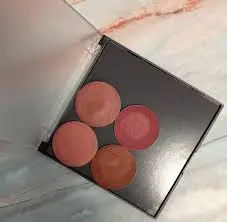
Table of Contents
Why Blush for Olive Undertones Needs a Different Approach
Olive skin carries a green-gold undertone layered beneath the surface, which changes how blush colors read compared to skin without that cast. Cool, blue-based pink blush has no undertone relationship with this green-gold base, so it tends to sit on top of the skin looking like a separate element rather than a natural flush. Warm and earthy shades, by contrast, share enough of that same golden register to read as warmth radiating from within rather than color applied on top, which is why blush for olive undertones benefits from a fundamentally different shade approach than standard skin-tone charts provide.
Best Blush Colors for Olive Undertones by Lean
Olive undertone itself splits into warm, cool, and neutral leans, and the best blush colors shift depending on which of these applies.
Warm-Leaning Olive
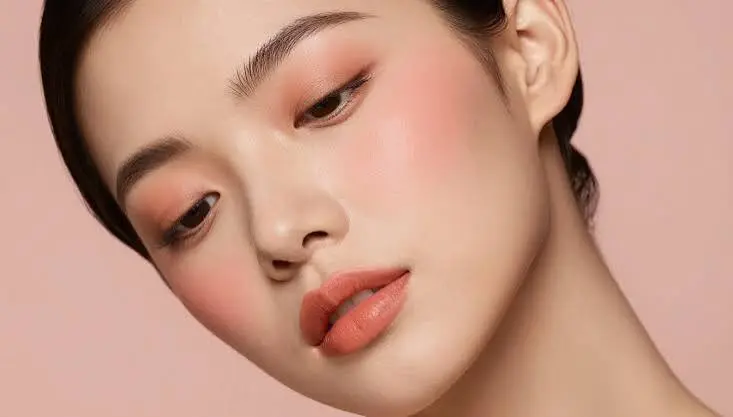
Warm-leaning olive skin pairs well with warm corals, terracotta, and golden peach, since these shades amplify the golden quality already present rather than fighting it. These blush colors tend to look sun-kissed and intentional rather than muddy, particularly when paired with a golden bronzer underneath.
Cool-Leaning Olive
Cool-leaning olive skin, which shows more grey-green depth than golden warmth, tends to look better in dusty mauve, cool rose, and berry blush tones. These shades add dimension without clashing the way a fully warm terracotta might on a cooler-leaning olive base.
Neutral-Leaning Olive
Neutral-leaning olive skin has the most flexibility, since it can pull from both warm and cool blush families without either looking wrong. Soft pink, rosy taupe, and neutral peach tend to work as reliable everyday options, leaving room to experiment with either warmer or cooler shades depending on the rest of the makeup look.
Blush for Olive Undertones by Depth
Depth changes how much pigment intensity a blush color needs to register visibly, which is a factor most blush guides skip entirely.
Light Olive
Light olive skin often needs less saturated blush colors to avoid looking overdone, since lighter depths show pigment more readily. Soft peach, light coral, and muted rose tend to give a natural flush without overwhelming a fairer olive base.
Medium Olive
Medium olive skin, the depth most commonly pictured in blush guides, handles a wide range of both peach-coral and berry-mauve families well, since this depth has enough natural warmth to support more saturated shades without looking harsh.
Deep Olive
Deep olive skin can handle, and often needs, more pigmented blush colors to register visibly at all, since lighter or sheer formulas can disappear rather than show up as a flush. Rich terracotta, deep berry, and bronzed rose tend to perform best at this depth, particularly in cream or liquid formulas with higher pigment concentration.
Blush Shades to Avoid With Olive Undertones
Cool, blue-based pink blush, including baby pink and candy pink, tends to clash with the green-gold undertone in olive skin, creating a disconnected, applied-on look rather than a natural flush. Lavender and mauve-leaning purple shades can push this clash even further, sometimes making olive skin look grey or tired rather than flushed. Very pale, icy, or pastel blush formulations tend to either disappear on olive skin entirely or add an unwanted cool, chalky cast, and bright fuchsia or magenta shades create a strong undertone conflict that reads as uneven rather than vibrant.
Peach Blush vs. Berry Blush: Which Works Better for You
Peach blush tends to work best for warm-leaning and neutral-leaning olive undertones, since its golden-orange base shares enough warmth with the skin to read as a natural flush rather than a separate color. Berry blush, which leans cooler and more saturated, tends to perform better on cool-leaning olive undertones and at deeper depths, where its richer pigment shows up more clearly than a lighter peach would. Trying both side by side on the back of the hand in natural light remains the simplest way to confirm which family suits an individual olive undertone better, since lean and depth both influence the answer.
Cream vs. Powder Blush for Olive Undertones
Cream blush tends to melt into the skin for a dewy, natural finish, which works particularly well on olive skin that runs dry or wants a skin-like glow rather than a matte finish. Powder blush offers more buildable control and tends to last longer through the day, making it a better fit for olive skin that runs oilier or needs a long-wear finish. Layering cream blush underneath a light powder blush, applying the cream first and setting or building with powder on top, combines the natural glow of cream with the staying power of powder, giving olive undertones a multidimensional finish that neither formula achieves entirely on its own.
How to Apply Blush on Olive Undertones for the Best Finish
Applying a bronzer across the cheekbones and temples before blush creates a warmth base that keeps blush color from looking isolated on olive skin, especially in warm or peachy shades. Placing blush slightly higher on the cheekbone, rather than low in the hollows, tends to look better on olive undertones, since lower placement can read as muddy against the green cast. Blending outward and slightly upward toward the temples, using a fluffy brush for powder or fingertips for cream, helps the color diffuse naturally rather than sitting as a visible patch. Checking the finished look in natural daylight, rather than only under indoor lighting, remains the most reliable way to confirm the shade and placement are both working together.
Real Product Picks Worth Trying
A few specific products, spanning different price points and formulas, have been consistently recommended by people who actually test blush on olive skin rather than relying on shade theory alone. In cream formulas, a terracotta-leaning mauve stick blush has been praised for blending quickly and working especially well with olive undertones without looking too pink or too orange. In powder formulas, shades described as soft plum or rosy taupe tend to come up repeatedly as easy, versatile options for neutral-to-cool olive undertones. Drugstore options in nude and bronze-leaning shades have also been specifically called out as working well for olive skin, proving that flattering blush for olive undertones doesn’t require a prestige price tag. For a look at how some of these same warm and cool blush families translate into full makeup looks on real faces, this guide on olive undertone celebrities shows how well-known olive-skinned figures build their color choices around similar principles.
Frequently Asked Questions
What is the best blush color for olive undertones? It depends on lean and depth, but peach, coral, terracotta, and bronzed rose tend to work well for warm-leaning olive skin, while mauve, cool rose, and berry tones suit cool-leaning olive skin better.
Can olive skin wear pink blush? Yes, but only warm-leaning pinks like bronzed rose or peachy pink tend to work well. Cool, blue-based pink often clashes with the green-gold undertone in olive skin.
Is peach blush or berry blush better for olive undertones? Peach blush tends to suit warm-leaning and neutral-leaning olive skin best, while berry blush tends to perform better on cool-leaning olive undertones and deeper depths.
Should I use cream or powder blush on olive skin? Both work well, and layering cream underneath powder often gives the most natural, long-lasting finish, combining the glow of cream with the staying power of powder.
Where should blush be placed on olive undertones? Slightly higher on the cheekbone rather than low in the hollows, since lower placement can look muddy against the green cast common in olive skin.
Do I need bronzer before applying blush on olive skin? It helps. Bronzer creates a warmth base that keeps blush color from looking isolated, particularly with warm or peachy shades.
Final Thoughts
Blush for olive undertones works best when shade choice accounts for both undertone lean and depth, rather than defaulting to one generic peach or terracotta recommendation for every olive complexion. Warm-leaning olive skin tends to favor golden peach and terracotta, cool-leaning olive skin leans toward mauve and berry, and depth determines how much pigment intensity is actually needed to register as a visible flush. Comparing peach blush against berry blush directly, rather than assuming one works universally, removes a lot of the guesswork that generic blush advice tends to create. Once shade, formula, and application technique are all working together, blush for olive undertones stops being a source of frustration and becomes one of the easiest parts of a makeup routine to get right.