
Finding the right concealer for olive undertones is trickier than most tutorials admit. Most shade guides treat “olive” as just another word for warm, then hand you a peachy corrector that turns your green-gold undertone orange instead of neutralizing it. This guide clears up that confusion. You’ll learn how to confirm your undertone, how to pick concealer shades and color correctors that actually work with olive skin, and which concealer types suit dark circles, blemishes, and all-over brightening. By the end, you’ll have a system instead of a guessing game.
Table of Contents
Why Concealer for Olive Undertones Needs a Different Approach
Concealer for olive undertones needs its own shade logic because olive sits between warm and cool, carrying a green or gold cast that standard shade ranges rarely account for. Many concealer guides default to categorizing skin as warm, cool, or neutral, leaving olive undertones without a clear home. That gap is exactly why so many people end up with a concealer that looks fine in the store but turns gray, orange, or chalky once it’s on.
Olive Is Not the Same as Warm
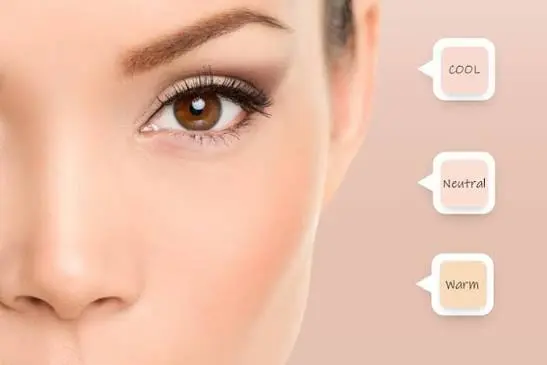
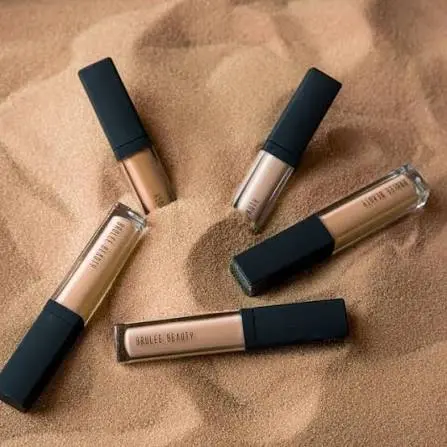
One of the most common mistakes in mainstream concealer advice is treating olive skin as simply a warm undertone. Warm undertones lean yellow or golden without any green in the mix, while olive undertones carry a distinct green-gray quality layered underneath that warmth. Treating the two as identical is why a “warm” concealer recommendation can still look off on genuinely olive skin. Getting this distinction right is the first step toward a better match.
How to Confirm You Have an Olive Undertone
Before shopping for concealer, it helps to confirm your undertone using a few simple tests in natural daylight. Indoor lighting, especially warm bulbs or store lighting, can distort how a shade or test result actually reads. These three tests take only a few minutes and can save you from buying the wrong corrector entirely.
The Vein Test
Check the veins on the inside of your wrist in natural light. Green-toned veins usually point to a warm or olive undertone, while blue or purple veins suggest cool. If the result feels ambiguous, neither clearly green nor blue, that’s a common sign of an olive or neutral-olive undertone.
The White Paper Test
Hold a plain white sheet of paper next to your bare face in daylight. Skin that looks slightly green, muted, or gold rather than pink or rosy supports an olive undertone. This test works well because it isolates your true undertone without any product or filtered lighting involved.
The Jewelry Test
Hold gold jewelry and silver jewelry up to your face and see which one looks more flattering. Gold typically complements warm and olive undertones, while silver flatters cool ones. If both look equally good, that balance often points to a neutral-leaning olive undertone.
How to Choose Concealer Shades for Olive Undertones
Choosing the right concealer shade for olive undertones starts with treating concealer as a companion to foundation, not a stand-in for it. Concealer is meant to cover specific imperfections, like dark circles or blemishes, rather than even out the whole face on its own. Getting the shade logic right here makes a bigger visible difference than almost any other step in the routine.
Matching Concealer to Foundation, Not Skin Tone Alone
The most reliable approach is to match your concealer shade to your foundation shade first, since foundation is already calibrated to your undertone. From there, adjust up or down depending on what you’re covering. This keeps the concealer working with your olive undertone instead of introducing a mismatched pink or yellow base into the mix.
One Shade Lighter for Dark Circles
For dark circles specifically, choosing a concealer one shade lighter than your foundation match creates gentle brightening without looking obviously lighter than the rest of your face. Going too light is a common mistake that creates a stark, unnatural highlight under the eyes. On olive undertones, staying close to your natural shade family, rather than jumping to a generic “fair” or “light” shade, keeps the result looking like skin.
Color Correcting for Olive Undertones
Color correcting requires extra care on olive skin, since the peach and salmon correctors marketed for dark circles are designed for warm or neutral undertones, not green-based ones. Salmon and peach tones can sit oddly on olive skin, sometimes leaving a slightly orange cast once concealer goes on top. A lighter, more muted peach, or one labeled specifically for deeper or olive tones, tends to neutralize dark circles more naturally on this undertone. Green correctors, meanwhile, remain useful for redness and blemishes on olive skin just as they are on any other undertone.
Best Concealer Types for Olive Skin by Concern
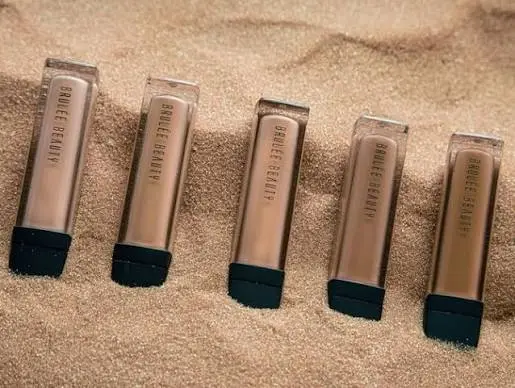
The best concealer type for olive skin depends heavily on what you’re trying to cover. Dark circles, blemishes, and all-over dullness each call for a different formula, coverage level, and application approach.
Dark Circles and Under-Eye Concealer
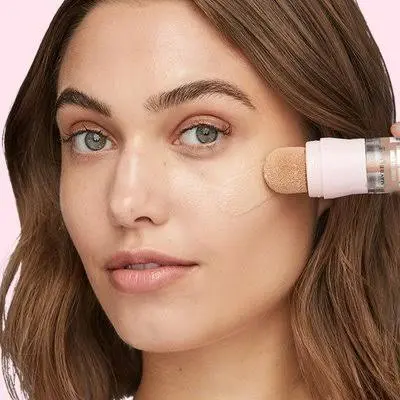
For under-eye circles, a creamy, hydrating formula in a doe-foot or brush applicator blends more easily into thinner under-eye skin than a thick, matte formula. Setting lightly with a small amount of translucent powder helps prevent creasing without looking cakey. A shade one level lighter than your foundation match, as covered above, works best here.
Blemishes, Redness, and Scarring
For blemishes and scarring, a slightly thicker, higher-coverage formula in a pot or stick works well, since it can be built up in thin layers without disturbing the skin. Makeup artists often recommend going one shade darker than your natural tone directly on a blemish to cancel out redness, then blending a matching shade over the top. This layering technique tends to disguise texture and color more effectively than a single heavy layer.
All-Over Brightening
For general brightening rather than spot concealing, a lighter-weight, more sheer formula applied only to high points like the inner corners of the eyes, bridge of the nose, and chin keeps the look natural. Heavier concealer applied all over the face can settle into fine lines and pores, which reads as heavier than intended by midday. On olive skin, staying close to your natural undertone in these areas avoids an obvious contrast with the rest of your complexion.
How to Apply Concealer So It Doesn’t Look Cakey or Ashy
Applying foundation before concealer, rather than the reverse, means you need less concealer overall, since foundation handles the general evenness first. Warming the product slightly with a fingertip before applying helps it melt into the skin rather than sitting on top as a flat layer. Patting the product into place rather than dragging it with a small brush, sponge, or fingertip blends the edges without pulling on delicate skin.
Setting only where needed, rather than powdering the entire face, keeps the finish looking like skin instead of a mask. Checking your finished look in natural daylight, not just under bathroom or store lighting, is the final and most reliable check for both shade accuracy and blending. For a deeper look at building the base underneath your concealer, this guide to foundation for olive undertones covers how to choose a matching base shade and formula from the ground up.
Frequently Asked Questions
Is olive skin considered warm or cool?
Olive skin is neither purely warm nor cool. It carries a green or gray-green cast layered under warmth, which is why it’s typically treated as its own undertone category rather than a subtype of warm.
What color corrector works best for olive skin?
A muted or deeper peach tends to neutralize dark circles better than bright salmon or pink correctors, which can look orange against a green-based undertone. Green correctors still work well for redness on olive skin.
Should concealer be lighter or darker than my skin tone?
For dark circles, one shade lighter than your foundation match works best. For blemishes or discoloration, a shade closer to or slightly darker than your natural tone helps cancel out redness before blending.
Do I apply concealer before or after foundation?
Applying foundation first is generally recommended, since it evens out the skin and reduces how much concealer you need for specific spots afterward.
Why does my concealer look orange or gray after a few hours?
This usually happens when a concealer’s undertone doesn’t match your skin’s true undertone, which is common when olive skin is matched with a standard warm or cool product instead of one suited to a green-gold base. Testing a shade in daylight for at least thirty minutes before buying helps predict this shift.
Final Thoughts
Concealer for olive undertones works best when you stop treating olive as a stand-in for warm and start shopping with its actual green-gold base in mind. Confirming your undertone with a quick test, matching concealer to your foundation shade rather than guessing independently, and choosing the right corrector and formula for what you’re covering all make a visible difference. With this approach, concealer stops fighting your undertone and starts blending into it.