
Intro
Olive undertone skin needs a slightly different approach than most generic skincare and makeup advice accounts for, since standard warm or cool routines rarely fit the green-gray cast that defines this complexion. Most guides explain what olive-toned skin is without ever building that knowledge into an actual, repeatable routine, leaving people to figure out products and colors through years of trial and error. This guide skips the basic definition, already covered in depth elsewhere, and focuses entirely on building a practical skincare routine, makeup routine, and seasonal wardrobe for skin with olive undertones. By the end, caring for olive undertone skin should feel like a clear system rather than a constant guessing game.
Table of Contents
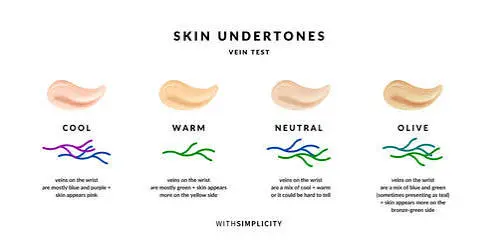
Quick Recap: What Counts as Olive Undertone Skin
Olive undertone skin carries a green or gray cast layered beneath warm or neutral pigment, distinct from standard warm, cool, or neutral categories, and it can appear at almost any depth from fair to deep. For a full explanation of the science, genetics, and identification tests behind this trait, this guide on olive undertone covers the fundamentals in detail. With that foundation in place, the rest of this guide focuses entirely on turning that knowledge into a working routine.
Building a Skincare Routine for Olive Undertone Skin
Skin with olive undertones tends to run oilier than average and shows hyperpigmentation more prominently, which means a routine built around these two traits works better than a generic one-size-fits-all approach.
Morning Routine
A gentle, non-stripping cleanser followed by a lightweight, non-comedogenic moisturizer sets a good foundation for olive undertone skin without over-drying it. Adding a vitamin C serum before moisturizer helps brighten and even out tone over time, which is especially useful given this skin’s tendency toward hyperpigmentation. A broad-spectrum SPF 30 or higher should always be the final step, regardless of how rarely olive skin actually burns.
Evening Routine
Double cleansing in the evening helps remove sunscreen, oil, and daily buildup more thoroughly than a single wash, which matters more for oilier skin types. A niacinamide serum applied after cleansing can help regulate oil production while also supporting a more even tone over time. Finishing with a slightly richer night moisturizer helps balance any dryness caused by active ingredients used earlier in the routine.
Weekly Treatments
A gentle chemical exfoliant, such as a mild AHA or BHA, used two to three times a week helps prevent the dullness and congestion that oilier olive undertone skin can develop. Adding a hydrating or brightening mask once a week supports overall tone and texture without overloading the skin with active ingredients daily. Being consistent with this weekly rhythm tends to produce better long-term results than switching products frequently.
A Makeup Routine for Olive Undertone Skin
Makeup for olive undertone skin works best when the products themselves are chosen specifically for this undertone, rather than adapted from generic warm or cool recommendations.
Base Products
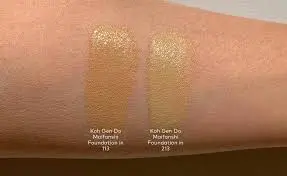
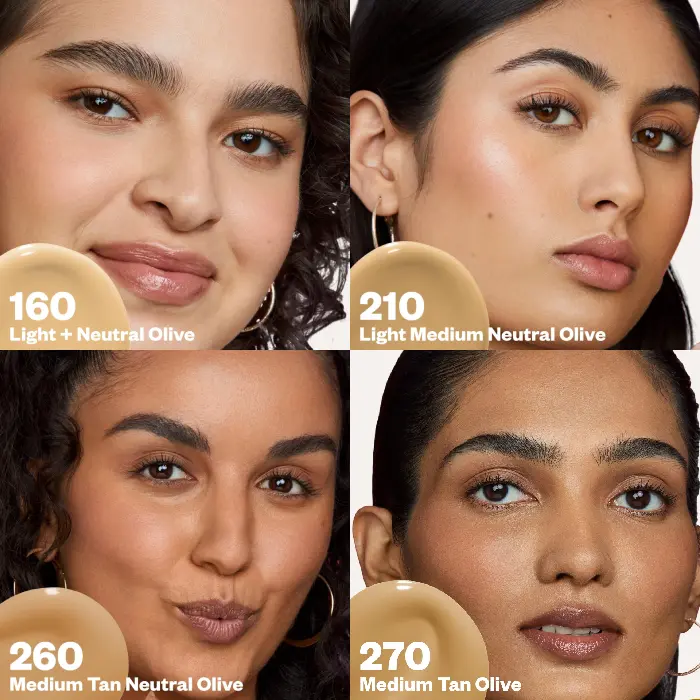
Foundation and concealer labeled neutral-olive or golden-olive tend to perform far better than standard neutral shades, since they account for the green-gray cast directly. Swatching along the jawline in natural daylight and waiting several minutes before judging the shade helps catch oxidation before it becomes visible later in the day. A color-correcting primer with a peach or salmon undertone can also help neutralize any residual grayness before foundation application.
Color Products
Muted terracotta blush, warm berry lipstick, and bronzer with golden or olive undertones tend to create the most natural-looking results on this skin. Building a small, repeatable makeup routine around these specific shades removes the daily guesswork that comes from trying a new random product each time.
Building a Capsule Wardrobe for Skin With Olive Undertones
A capsule wardrobe built specifically around olive undertone skin makes getting dressed considerably easier, since it removes the need to guess which colors will work each time.
Everyday Power Colors
Deep jewel tones like emerald, sapphire, and burgundy, along with earthy shades like terracotta, rust, and warm brown, tend to form a reliable, everyday-wearable core for skin with olive undertones. Building a wardrobe around five or six of these core colors, mixed and matched across basics, creates a surprisingly versatile capsule without much effort.
Colors to Use Sparingly
Icy pastels, neon shades, and yellow-heavy neutrals tend to wash out olive undertone skin and are usually better kept to small accents, such as a scarf or accessory, rather than full outfits. Saving these shades for accents rather than eliminating them completely still allows for variety without sacrificing overall color harmony.
Seasonal Adjustments for Olive Undertone Skin
Skin with olive undertones can benefit from small seasonal adjustments to both skincare and color choices throughout the year.
Summer Adjustments
Lighter, gel-based moisturizers tend to work better in summer, when oil production naturally increases, while SPF reapplication throughout the day becomes even more important. Brighter jewel tones and richer earth tones both tend to hold up well against summer tans, keeping the wardrobe flexible as depth shifts slightly with sun exposure.
Winter Adjustments
A slightly richer moisturizer helps counter the dryness winter air can cause, even for naturally oilier olive undertone skin. Deeper, more saturated colors like espresso, forest green, and deep plum tend to feel especially flattering during winter months, when the green cast in olive skin can appear slightly more pronounced due to less sun exposure.
Common Routine Mistakes People With Olive Toned Skin Make
One common mistake is sticking with a generic “neutral” foundation for years without ever trying a shade specifically labeled olive or golden-olive, missing an easy upgrade in match quality. Another frequent mistake involves over-exfoliating in an attempt to manage oiliness, which can actually worsen hyperpigmentation rather than improve it. A third mistake involves avoiding bold colors entirely out of habit, when olive undertone skin often handles rich, saturated shades better than the soft, muted tones many people default to.
Frequently Asked Questions
What skincare routine works best for olive undertone skin? A gentle cleanser, lightweight moisturizer, vitamin C in the morning, niacinamide in the evening, and daily broad-spectrum SPF tend to work well for most skin with olive undertones.
What foundation shade should I look for with olive toned skin? Shades labeled neutral-olive or golden-olive tend to match far better than standard neutral shades, since they account for the green-gray cast directly.
Do I need to change my routine by season with olive undertone skin? Yes, slightly. Lighter, oil-controlling products tend to work better in summer, while richer moisturizers and deeper color choices suit winter months more comfortably.
What colors should I build my wardrobe around with olive undertone skin? Deep jewel tones like emerald and sapphire, along with earthy shades like terracotta and rust, tend to form a reliable, everyday-wearable core.
Is olive undertone skin more prone to certain skin concerns? Yes. Hyperpigmentation and oiliness are the two concerns most closely linked to skin with olive undertones, both of which respond well to consistent SPF and gentle exfoliation.
How often should I exfoliate olive-toned skin? Two to three times a week with a gentle chemical exfoliant tends to work well, since over-exfoliating can worsen hyperpigmentation rather than improve texture.
Final Thoughts
Olive undertone skin responds best to a routine built specifically around its two most common traits: a tendency toward oiliness and a green-gray cast that standard warm or cool products rarely account for. Building a consistent skincare routine, a small but intentional makeup system, and a color-focused capsule wardrobe removes years of trial and error from the equation. Making small seasonal adjustments, rather than overhauling the entire routine, keeps things manageable while still responding to how skin with olive undertones shifts throughout the year. Once this system is in place, caring for olive-toned skin becomes a straightforward habit rather than a recurring source of frustration.