
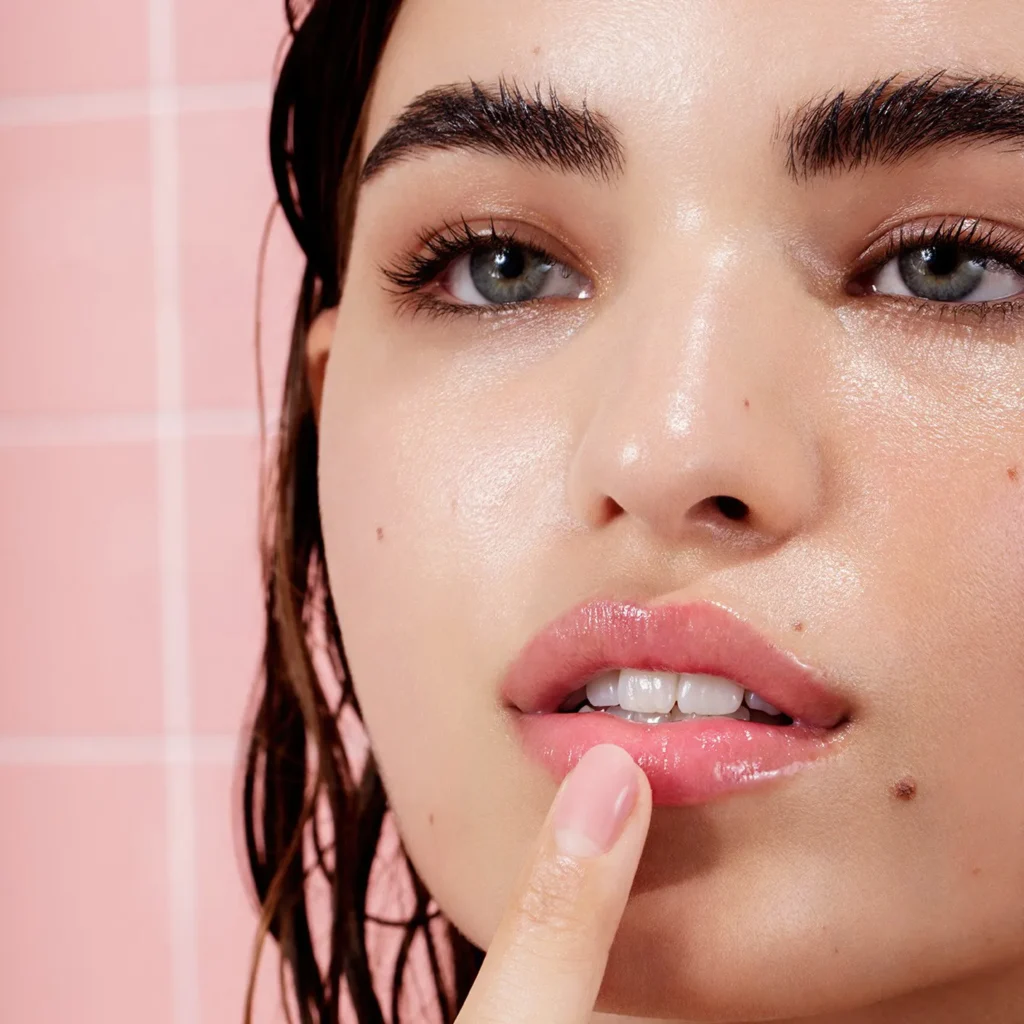
Olive skin is one of the most misunderstood complexions in beauty and skincare. Foundation shades that promise a perfect match often turn out too pink or too orange, and advice about “warm” or “cool” undertones rarely applies cleanly. This olive skin glossary breaks down the real terminology, from undertone and overtone to eumelanin and the Fitzpatrick scale, so you finally have clear definitions instead of guesswork. It also corrects the most common olive skin myths that keep circulating online. By the end, you will know exactly how to describe, identify, and care for an olive complexion using accurate, dermatology-informed language.
Table of Contents
What Is Olive Skin? A Quick Overview
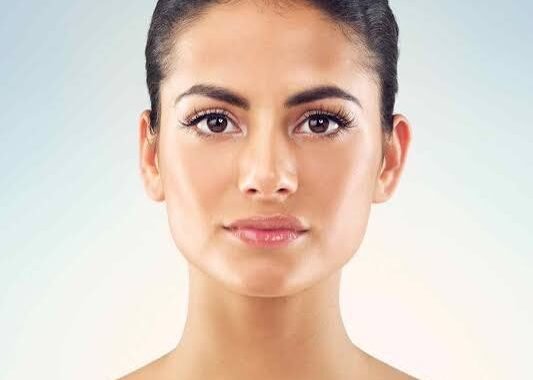
Olive skin is a complexion type that carries a subtle green, gold, or gray cast layered over a warm base tone. It usually falls between light and medium depth on the skin tone spectrum, though it can appear in fair and deep versions too. The defining feature is not depth of color but the mixed undertone, which is why olive skin often confuses standard warm/cool color systems.
People with olive skin tend to tan easily and rarely burn, a trait linked to their natural melanin composition. This complexion appears across many ethnic backgrounds, including Mediterranean, Middle Eastern, Latin American, and South Asian populations, though it is not exclusive to any single group. Understanding the specific terms below will make it much easier to identify, describe, and shop for products that match true olive skin.
Olive Skin Glossary: Core Terms You Should Know
Undertone
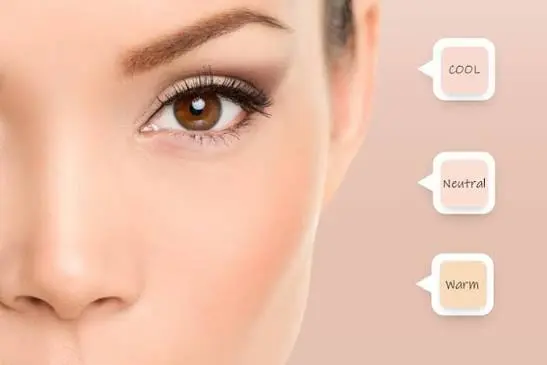
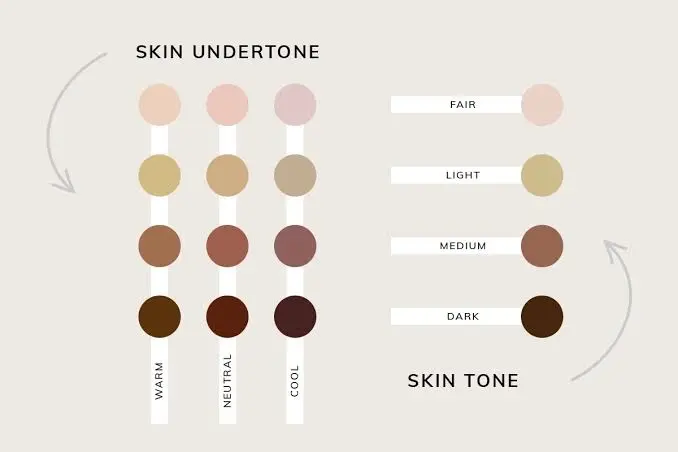
Undertone is the color beneath the surface of the skin that influences how products and clothing appear against your complexion. It is typically categorized as warm, cool, or neutral, though olive skin often sits in its own separate category because it blends elements of both. Undertone does not change with tanning or season, which makes it a more reliable classification than surface color alone.
Overtone
Overtone refers to the surface-level color you see first when looking at someone’s skin, as opposed to the underlying undertone. The green or gray cast associated with olive skin is technically an overtone, not an undertone, which is one of the most confused terms in beauty content today. Recognizing this distinction explains why two people can both have “olive skin” yet test differently on a vein or jewelry test.
Eumelanin and Pheomelanin
Eumelanin is the brown-to-black pigment in skin, while pheomelanin produces red-to-yellow tones. Olive skin results from a particular balance of these two pigments, which is what creates its signature muted, earthy quality. This pigment mix also explains why olive skin tans efficiently and shows less visible redness than fairer, pheomelanin-dominant skin.
Fitzpatrick Scale
The Fitzpatrick scale is a dermatological system that classifies skin types from I to VI based on how skin reacts to UV exposure. Olive skin is most commonly associated with Types III, IV, and V, meaning it tans readily and burns less easily than lighter types. This scale measures sun sensitivity, not undertone, so it should never be used as a substitute for a proper color or undertone assessment.
Warm, Cool, and Neutral Undertones (and Where Olive Fits)
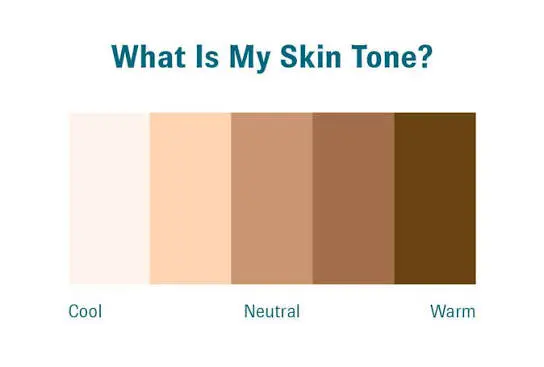
Warm undertones lean yellow or golden, cool undertones lean pink or blue, and neutral undertones show a balanced mix of both. Olive skin does not fit neatly into any of these three categories, which is why many modern color analysts now treat it as a fourth, standalone group. This is also the single biggest source of conflicting advice across beauty websites, since some sources call olive “neutral,” others call it “cool,” and others insist it deserves its own classification entirely.
Sallow
Sallow describes a dull, slightly yellowish or grayish appearance to the skin, often caused by dehydration, poor sleep, or certain lighting conditions. Olive skin can appear sallow when it lacks radiance, which is different from its natural overtone and is usually temporary. Brightening skincare ingredients and proper hydration typically resolve a sallow look without changing the skin’s actual undertone.
Hyperpigmentation
Hyperpigmentation is the darkening of patches of skin caused by excess melanin production, often triggered by sun exposure, acne, or inflammation. Because olive skin already produces more melanin than fairer skin types, it is more prone to post-inflammatory hyperpigmentation (PIH) after breakouts or irritation. Daily sunscreen and gentle exfoliation are the two most effective preventive habits for keeping tone even.
Color Analysis
Color analysis is a styling method, often based on seasonal or tonal systems, used to identify which colors best complement a person’s natural coloring. Traditional four-season color analysis was not originally designed with olive undertones in mind, which is why many olive-skinned people report frustration with their assigned season. Newer, olive-specific color systems have emerged in the past few years specifically to close this gap.
Common Olive Skin Myths and Misconceptions
Beauty advice about olive skin is full of contradictions, and much of it comes from outdated assumptions rather than dermatological fact. Below are the most persistent olive skin myths, corrected with the terminology defined above. For a deeper breakdown of these misconceptions, see this detailed guide to olive skin myths.
Myth 1: Olive Skin Is Always Cool-Toned
This is one of the most common misconceptions about olive skin, and it comes from confusing overtone with undertone. While some olive skin does lean cool, many olive complexions are neutral or even warm-leaning underneath the green or gray surface cast. Assuming everyone with olive skin is automatically cool-toned leads to poor foundation and color choices.
Myth 2: Only Mediterranean or South Asian People Have Olive Skin
Olive skin is commonly associated with Mediterranean, Middle Eastern, Latin American, and South Asian ancestry, but it is not limited to these groups. People of East Asian, Southeast Asian, and even some Northern European backgrounds can also have naturally olive-toned skin. Ancestry is a strong correlation, not a strict rule, since undertone and overtone are determined by individual melanin composition.
Myth 3: Olive Skin Doesn’t Need Sunscreen
Because olive skin tans easily and burns less often, many people assume it does not need daily sun protection. In reality, olive skin is still vulnerable to UV damage, premature aging, and especially hyperpigmentation, which can be harder to reverse than a simple sunburn. Broad-spectrum SPF 30 or higher remains essential regardless of how well the skin tans.
Myth 4: Olive Skin Is Just a Deep Tan
Olive skin is a distinct genetic complexion type, not simply a suntanned version of fair skin. A person can have fair, pale olive skin with no tan at all and still show the characteristic green or gray overtone. Depth of color and olive quality are two separate traits that do not always move together.
Myth 5: Gold Jewelry Is Always the Right Choice
Many people assume that any warm-toned undertone, olive included, automatically looks best in gold jewelry. In practice, olive skin often looks equally good, or sometimes better, in silver, oxidized metals, or mixed-metal pieces, depending on the individual’s specific undertone balance. Testing both metals directly against the skin remains more reliable than following a blanket rule.
How to Identify Your Olive Skin Tone
The clearest way to confirm an olive complexion is to combine several simple tests rather than relying on just one. Each test below targets a different aspect of undertone and overtone, and together they give a far more accurate picture than any single method alone.
The Vein Test
Check the veins on the inside of your wrist in natural daylight. If they appear blue-green or difficult to categorize as clearly blue or green, this often points to an olive or neutral-leaning undertone. This test works best as a starting point, not a final answer, since lighting and skin thickness can affect the result.
The Jewelry Test
Hold both gold and silver jewelry against your skin and note which one looks more natural rather than jarring. Olive skin frequently looks good in both metals, though most people notice a slight edge toward one depending on their exact undertone balance. A strong, one-sided preference for either metal can help narrow down whether you lean warmer or cooler within the olive category.
The Foundation Test
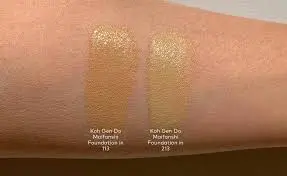
Try on a few foundation shades marketed as “neutral” or “olive” and observe how they settle after a few minutes on the skin. If most foundations look too pink, too orange, or slightly ashy, this is a strong indicator of an olive undertone that standard warm or cool formulas do not address. Foundations formulated specifically with green or golden-neutral undertones tend to blend far more naturally.
The Sun Exposure Test
Notice how your skin reacts after moderate, unprotected sun exposure. Olive skin usually tans rather than burns, deepening gradually instead of turning red or pink. This behavior aligns with Fitzpatrick Types III through V, though it should never be used as an excuse to skip sunscreen.
Skincare Considerations for Olive Skin Tones
Olive skin is generally resilient, but it comes with a few specific concerns worth understanding. Higher melanin content offers some natural sun protection, yet it also makes hyperpigmentation and uneven tone more likely after acne, irritation, or unprotected sun exposure. A consistent, simple routine addresses most of these concerns without overcomplicating things.
Daily broad-spectrum sunscreen with SPF 30 or higher is the single most important step, since it directly prevents both premature aging and pigmentation. Gentle exfoliation with AHAs like glycolic acid, or BHAs like salicylic acid, helps maintain an even texture and tone without over-stripping the skin. Avoiding picking at blemishes also reduces the risk of post-inflammatory hyperpigmentation, which can take months to fade once it develops.
Ingredients like vitamin C and niacinamide are well known for supporting brighter, more even-toned skin over time. Vitamin C helps protect against environmental damage while supporting a more radiant appearance, and niacinamide helps regulate oil production while calming inflammation. Licorice root extract is another ingredient often used in brightening formulas aimed at reducing the appearance of dark spots.
Best Colors and Makeup Shades for Olive Undertones
Because olive skin blends warm and cool qualities, it tends to look best in colors that are neither too icy nor too golden. Jewel tones such as emerald, sapphire, and deep plum bring out the richness of olive skin, while earthy shades like terracotta, warm brown, and moss green complement its natural balance. Overly pale, icy pastels can wash olive skin out, so richer or more saturated versions of the same colors usually work better.
For makeup specifically, foundations with neutral or slightly green-based undertones tend to blend more naturally than pink- or orange-toned formulas. Bronzers and blushes in peach, coral, or warm rose shades add dimension without looking flat, while eyeshadows in warm browns, bronze, and jewel tones tend to be the most universally flattering. Lipstick shades with a plum, brick, or deep berry base generally read better on olive skin than lipsticks with a strong blue-pink or orange base.
Frequently Asked Questions
What is the simplest definition of olive skin? Olive skin is a complexion with a green, gold, or gray overtone layered over a warm base, most closely associated with Fitzpatrick Types III through V, and it does not fit neatly into standard warm, cool, or neutral undertone categories.
Is olive skin warm or cool? Olive skin is not strictly warm or cool. It usually contains elements of both, which is why many modern color systems now treat it as its own separate category rather than forcing it into a traditional warm/cool framework.
Does olive skin tan or burn more easily? Olive skin generally tans more easily and burns less often than fairer skin types, largely because of its higher eumelanin content and its typical classification within Fitzpatrick Types III to V.
Do all people with olive skin need extra sun protection? Yes. Olive skin’s natural tanning tendency does not eliminate the risk of UV damage, premature aging, or hyperpigmentation, so daily broad-spectrum SPF remains necessary regardless of how well the skin tans.
What is the difference between olive skin and tan skin? Olive skin is a distinct genetic complexion defined by its green, gold, or gray overtone, while a tan is a temporary darkening caused by sun exposure. A person can have pale olive skin with no tan at all and still show the characteristic olive quality.
Can olive skin be fair or light in tone? Yes. Pale or light olive skin exists and is closer to a champagne or soft gold shade rather than a deep, tanned olive tone. Depth of color and the presence of an olive overtone are two separate traits.
Final Thoughts
Olive skin deserves a clearer vocabulary than the beauty industry has typically given it. Understanding the real difference between undertone and overtone, knowing where terms like the Fitzpatrick scale actually apply, and separating fact from common olive skin myths makes it far easier to choose the right foundation, colors, and skincare. With this olive skin glossary as a reference, identifying and caring for an olive complexion becomes a matter of accurate information rather than guesswork.