
Intro
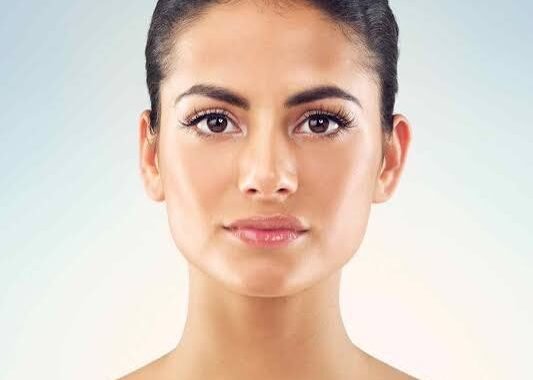
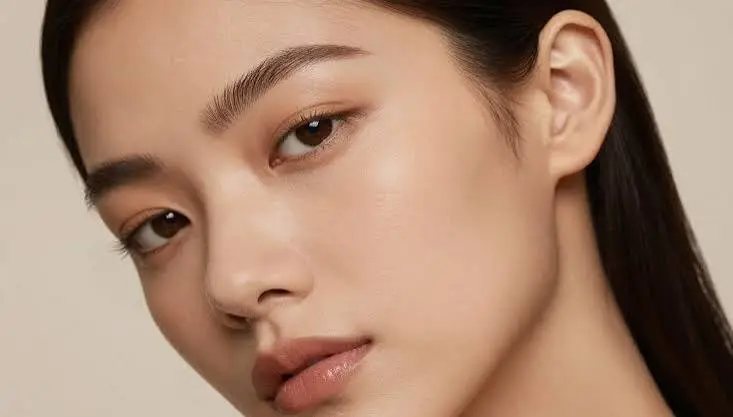
Olive skin color is best described as a muted, earthy tone that carries a subtle green or gray cast beneath warm or golden pigment, rather than a purely pink or yellow hue. The name comes directly from the fruit itself, since both share that same soft, understated green-brown quality. Despite how often the term gets used, most guides never actually explain what this color looks like in plain, visual terms, leaving people to guess based on vague descriptions. This article breaks down exactly what olive skin color looks like, how it shifts across different depths, and how to identify it confidently on your own complexion. By the end, the color itself should feel far less abstract and far easier to recognize.
Table of Contents
What Is Olive Skin Color, Exactly?
Olive skin color refers to an undertone, not a specific shade of brown or tan. It describes the subtle color layered beneath the visible surface of the skin, which is why two people with very different depths can both accurately be described as having olive skin color.
The Green-Gray Base
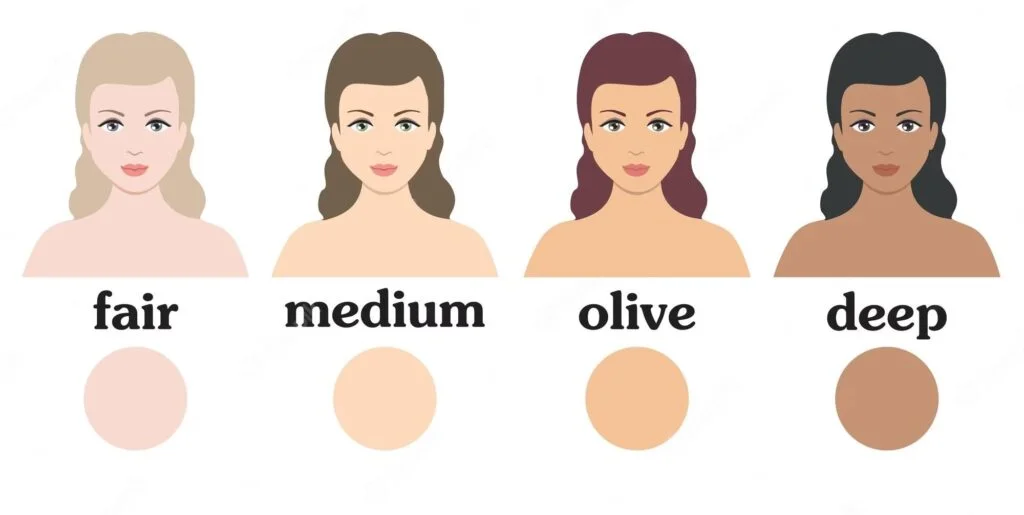
The defining trait of olive skin color is a faint green or gray cast sitting underneath warmer golden or brown pigment. This base shows up most clearly along the jawline and neck in natural daylight, giving the skin a muted, earthy quality rather than a bright or rosy one. It is this green-gray layer, more than anything else, that separates olive skin color from a simple tan or tanned appearance.
Not a Single Fixed Shade
Olive skin color is not one specific hex code or paint swatch, since it varies depending on depth, lighting, and how much warmth or coolness sits alongside the green base. This is part of why so many people struggle to describe it precisely, even though they can recognize it instantly in person. Thinking of olive as a family of related shades, rather than a single fixed color, makes the concept much easier to work with.
What Does Olive Skin Color Look Like Compared to the Olive Fruit?
Olive skin color takes its name directly from the fruit, and the comparison holds up surprisingly well once you look closely. Unripe green olives carry a muted, grayish-green tone that closely mirrors the undertone found in lighter olive complexions, while riper, darker olives carry deeper brown-green notes similar to medium and deep olive skin. This is not a coincidence, since the term was chosen specifically because of this shared visual quality between the fruit and the complexion. Picturing a bowl of mixed green and black olives is actually a reasonably accurate way to visualize the range of tones that fall under the olive skin color umbrella.
Olive Skin Color Across Different Depths
Olive skin color is not one fixed depth, and the exact shade shifts noticeably depending on where someone falls on the spectrum from light to deep.
Light Olive Skin Color
Light olive skin color carries a fair, pale base with a faint green-gray cast layered on top, often making it look slightly more muted than a typical fair complexion without that undertone. This shade is easy to miss in low light and tends to show up most clearly in winter, when the skin has less natural warmth from the sun. People with this color often describe their skin as looking slightly “sallow” or “grayish” in the wrong lighting or foundation shade.
Medium Olive Skin Color
Medium olive skin color is the shade most people picture when they hear the term, combining a clear golden warmth with the same underlying green-gray cast. This is the most commonly referenced version in beauty guides and color charts, and it tends to have the widest range of matching foundation shades available. The balance here between warmth and muted green is usually the most visually obvious of all three depths.
Deep Olive Skin Color
Deep olive skin color combines a richer, darker brown base with the same green-gray undertone found at lighter depths. The result is a complexion that can look almost bronze-green in certain lighting, especially outdoors in natural sunlight. Because deep olive skin color still varies in undertone from person to person, two people at this depth can still need noticeably different foundation shades.
How Olive Skin Color Differs From Warm, Cool, and Neutral Tones
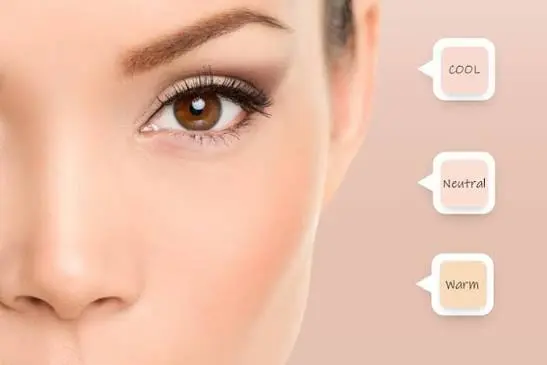
Warm skin tones lean toward yellow, golden, or peachy hues without any green or gray cast layered underneath. Cool skin tones lean toward pink, red, or bluish hues, again without the muted green quality that defines olive. Neutral skin tones sit evenly between warm and cool without leaning strongly either way, but they still lack the specific green-gray base that makes olive skin color visually distinct. This is exactly why treating olive as simply “a type of neutral” tends to cause matching problems, since the green cast is a real, separate visual quality rather than an absence of warmth or coolness.
How to Identify Your Own Olive Complexion Color
A few simple, well-known checks can help confirm whether your own skin falls into the olive skin color family.
The Vein Test
Looking at the veins on the inner wrist in natural daylight is the most common method. Veins that look distinctly green, or a mix of green and blue, usually point toward an olive undertone, while purely blue veins suggest a cooler color instead.
The Foundation Test
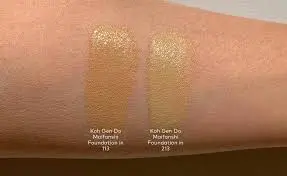
Foundation shopping often reveals olive skin color before any deliberate test does. Warm shades tend to oxidize into orange, cool shades can look pink or ashy, and even neutral shades sometimes still feel slightly off, which is a strong sign that an olive-specific or neutral-olive foundation will match better.
The White Fabric Test
Holding a plain white piece of fabric next to the face under natural light can help confirm the undertone further. Skin that reflects a faint green or golden cast rather than a clearly pink or yellow one usually points toward true olive skin color. For a closer look at how common this undertone actually is across different populations, this guide on whether olive skin is rare breaks down the real numbers behind the perception.
Why Olive Skin Color Is Hard to Match in Makeup
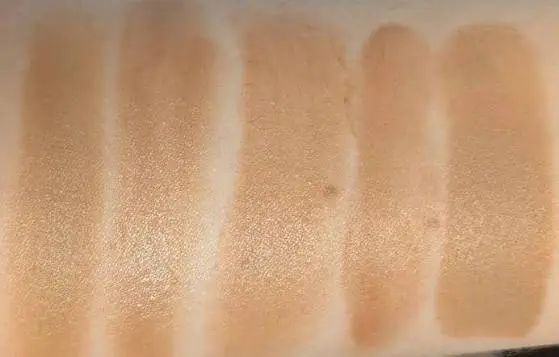
Most foundation lines are built around warm, cool, and neutral labels, without a true olive option that accounts for the green-gray cast. This means products described as “neutral” often still lean too pink or too yellow to properly match olive skin color, leaving a visible gap between the swatch and the actual complexion. Swatching along the jawline in natural daylight, rather than under indoor store lighting, remains one of the most reliable ways to catch this mismatch before purchase. Waiting several minutes after application also helps, since many formulas oxidize and shift color as they settle into the skin.
How to Photograph and Capture True Olive Skin Color
Camera white balance settings and artificial lighting can distort olive skin color more than almost any other undertone, often pushing it toward either too much yellow or too much gray. Natural, indirect daylight tends to capture the truest version of olive skin color, while harsh overhead lighting or warm indoor bulbs can wash out the green cast entirely. Turning off automatic beauty filters and skin-smoothing features on phone cameras also helps, since these tools frequently shift undertone without the user realizing it. For anyone trying to accurately match makeup or hair color to their real skin, taking a few reference photos in consistent natural light is one of the simplest ways to get a reliable, repeatable result.
Frequently Asked Questions
What color is olive skin exactly? Olive skin color is a muted, earthy tone with a green or gray undertone layered beneath warm or golden pigment, named after the similar color of the olive fruit.
Is olive skin color green? Not literally green, but it carries a subtle green cast beneath the surface that becomes more visible in certain lighting, particularly along the jawline and neck.
Does olive skin color always look the same? No. Olive skin color shifts across light, medium, and deep depths, and it can also look slightly different depending on lighting and camera settings.
How is olive skin color different from tan skin? Tan skin describes depth, meaning how dark the skin looks, while olive skin color describes the undertone layered beneath that depth, so the two are separate qualities.
Why does my olive skin color look different in photos? Camera white balance and artificial lighting can distort the green-gray cast in olive skin color, which is why natural daylight photos tend to look more accurate.
What foundation shade works best for olive skin color? Foundations labeled neutral-olive or golden-olive tend to perform best, since they account for the green-gray cast rather than clashing with it.
Final Thoughts
Olive skin color comes down to a muted, earthy tone built around a green or gray undertone layered beneath warm or golden pigment, closely echoing the color of the fruit it is named after. This color is not one fixed shade, since it shifts across light, medium, and deep depths and can even look slightly different depending on lighting and photography. Once this color is understood clearly, identifying it through simple tests and matching it accurately in makeup becomes a much more straightforward process. Understanding what olive skin color actually looks like removes a lot of the guesswork that vague, style-only descriptions tend to leave behind.