
Intro
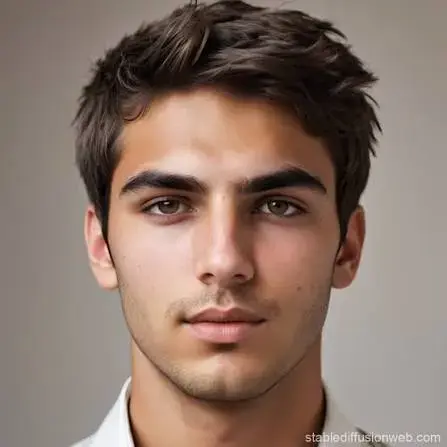
An olive skin tone male has a complexion built around a green or gray undertone layered beneath warm or neutral pigment, rather than a purely pink or golden base. This undertone shapes everything from how foundation-free skin looks in daylight to which shirt, suit, and hair colors actually flatter it. Most style guides only cover clothing, while most skincare guides ignore men entirely, leaving a real gap for anyone trying to understand the full picture. This guide covers what defines male olive skin tone, how to identify it, the grooming habits that keep it healthy, and the exact colors that make this complexion look sharp. By the end, any olive skin tone male should be able to shop, groom, and dress with far more confidence.
Table of Contents
What Defines an Olive Skin Tone Male?
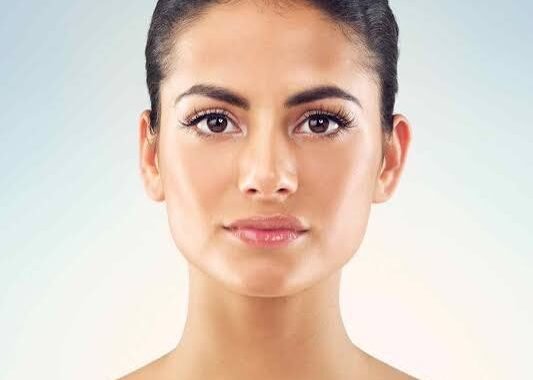
The defining trait of an olive skin tone male is undertone, not depth. Olive skin carries a green or gray layer beneath the surface, and this is what changes how clothing, jewelry, and grooming products all read against the complexion. This is different from simply having tan or brown skin, since depth and undertone are two separate qualities.
The Green-Gray Undertone
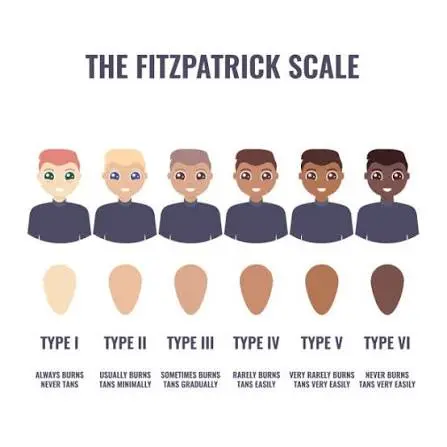
This green-gray cast is the most recognizable feature of male olive skin tone, and it shows up most clearly along the jaw and neck in natural daylight. It stays consistent regardless of tanning or season, since it sits at a deeper layer than surface color. Many men first notice it when a shirt or jacket that looked fine on the hanger suddenly makes their skin look dull or sallow.
A Neutral-to-Warm Balance
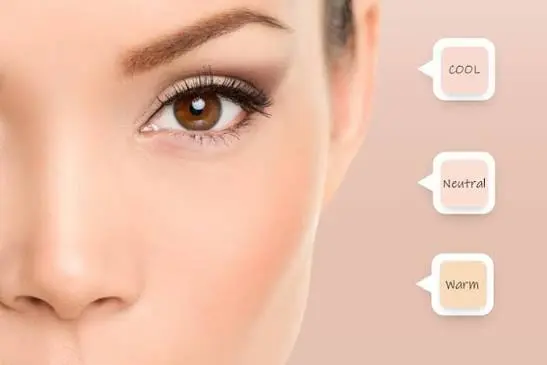
Alongside the green-gray cast, most men with olive skin carry a neutral-to-warm base that blends gold, yellow, and muted tones. This balance is exactly why olive skin men can wear both warm earth tones and cooler jewel tones without either looking wrong. It also explains why a strict warm or cool label rarely fits this complexion well.
Common Traits of Olive Skin Men
Beyond undertone, several traits show up consistently in men’s olive complexion and are worth knowing before building a grooming routine or wardrobe.
Tans Easily, Rarely Burns
Higher natural melanin means olive skin tends to darken gradually in the sun rather than burning or turning red. This does not mean sunscreen can be skipped, since UV damage still accumulates beneath the surface even without visible burning. Daily broad-spectrum SPF is one of the most overlooked habits among men with olive skin.
Prone to Oiliness and Ingrown Hairs
Many olive skin men notice their skin runs oilier, especially through the T-zone, and that ingrown hairs can be a recurring issue after shaving. These traits are simply common features of male olive skin tone rather than a flaw, and they respond well to consistent, gentle grooming. To see how these same undertone traits show up on the other side of the spectrum, this guide on olive skin tone girl covers the female version of this complexion in detail.
Works With Both Gold and Silver
A well-known and fairly reliable sign is how comfortably olive skin pairs with both gold and silver jewelry or watch hardware. Warm or cool skin tends to favor one metal clearly over the other, but the balanced undertone in olive skin allows both to look intentional. This detail is often one of the fastest ways an olive skin tone male first notices his own undertone.
How to Identify Male Olive Skin Tone
A few simple, well-known checks can confirm olive undertone without any professional color consultation.
The Vein Test
Looking at the veins on the inner wrist in natural daylight is the most common method. Veins that look distinctly green, or a mix of green and blue, usually point toward an olive undertone, while purely blue veins suggest a cooler one instead.
The Jewelry Test
Trying on both gold and silver jewelry, or comparing a silver and gold watch case, reveals a lot about undertone. If both metals look equally natural rather than one clearly winning, that balance is a strong sign of olive skin.
The Sun Reaction Test
Paying attention to how skin reacts after sun exposure offers another clue. Skin that deepens into a tan rather than turning red or blistering usually points to the higher melanin content typical of olive skin tone men.
Olive Skin Tone Male Across Different Depths
Male olive skin tone is not one fixed shade, and traits can shift slightly depending on where someone falls on the depth spectrum.
Light Olive Men
Light olive skin carries a fair base with a faint green or gray cast layered on top, and it is often mistaken for a plain neutral or fair complexion at first glance. This depth tends to show the green cast most clearly in winter, when less sun exposure is present. Grooming products built for “fair skin” often miss the mark here, since they rarely account for the underlying olive cast.
Medium Olive Men
Medium olive is the most commonly recognized version of this complexion, carrying a clear balance between golden warmth and the green-gray undertone. Most color guides and style advice default to this depth when describing classic olive skin. It also tends to have the widest range of grooming and clothing options built around it.
Deep Olive Men
Deep olive skin combines richer brown pigment with the same underlying green-gray cast found at lighter depths. The undertone can still lean either warm or cool, so two men with deep olive skin may still suit different color palettes. Higher melanin at this depth offers more natural UV buffering, though daily sunscreen remains just as necessary.
Grooming and Skincare for Men’s Olive Complexion
A consistent grooming routine helps manage the specific concerns that show up most often with men’s olive complexion.
Managing Oiliness and Ingrown Hairs
Because olive skin often runs oilier, a gentle, non-stripping cleanser tends to work better than harsh, oil-removing washes that can trigger more oil production in response. Ingrown hairs are common after shaving, so exfoliating lightly a few times a week and shaving with a sharp, clean blade in the direction of hair growth helps reduce irritation.
Hyperpigmentation and Razor Bumps
Higher melanin activity means olive skin can develop stubborn dark marks after razor bumps, cuts, or breakouts, and these often take longer to fade than on lighter skin. Using a soothing, alcohol-free aftershave and applying a spot treatment with ingredients like niacinamide can help manage this tendency over time.
Daily Sun Protection
Even though olive skin tans rather than burns, UV damage still builds up beneath the surface without obvious warning signs. A broad-spectrum SPF 30 or higher, applied daily and reapplied outdoors, remains one of the simplest habits for protecting both tone and texture long term.
Best Clothing Colors for the Olive Skin Tone Male
Once the undertone is understood, dressing an olive skin tone male becomes a matter of leaning into warmth rather than fighting it.
Power Colors to Reach For
Deep jewel tones like forest green, burgundy, and deep teal create clean contrast that makes olive skin look vivid rather than washed out. Earthy tones such as terracotta, cognac, chocolate, and caramel echo the skin’s natural warmth and tend to look effortless in both casual and smart-casual settings.
Colors to Approach Carefully
Mustard, yellow-green, and washed-out pastels tend to mirror the yellow-green cast in olive skin rather than contrasting it, which can create a sallow or muddy look. Icy cool greys and overly bright neon shades can also clash with the natural warmth in male olive skin tone, so these usually work better as small accents than full outfits.
Best Shirt and Suit Colors for Olive Skin Men
White, navy, and earthy shirt colors consistently perform well on olive skin men, since they either create clean contrast or harmonize with the skin’s natural warmth. A crisp white or navy Oxford shirt is one of the most reliable everyday choices, while a rust or terracotta shirt brings out warmth without looking forced. For suits, deep navy and charcoal remain the strongest options, especially when paired with a warm white shirt and a burgundy or forest-green tie for a look that stands apart from the usual blue-grey suit combination. Light grey, beige, and pale pastel dress shirts tend to flatten male olive skin tone rather than framing it, so these are worth approaching with more caution.
Hair and Beard Color Tips for Male Olive Skin Tone
Hair and beard color can either soften or sharpen the green undertone that defines men’s olive complexion. Rich chocolate brown, cool espresso, and deep black all add contrast without pulling the skin toward orange, which makes them reliable choices for both hair and beard. Warmer families like light mocha or soft toffee can also work well on olive skin that leans warmer, especially with a touch of natural highlight for dimension. Bright gold, honey, or yellow-based tones tend to clash with the green cast in olive skin and can leave the complexion looking sallow, so these are usually better avoided for a full head or beard color change.
Which Color Season Fits Olive Skin Men?
Olive skin tone male complexions most often fall into Warm Autumn, Soft Autumn, or Deep Autumn, depending on hair color, eye color, and overall contrast. Warm Autumn suits men with clear golden undertones and warm brown or hazel eyes, favoring rich, earthy shades like rust, camel, and olive green. Soft Autumn fits a more muted, neutral-leaning olive complexion with lower overall contrast, working best with softer shades like sage, taupe, and muted rust. Deep Autumn applies to richer, deeper olive skin paired with dark hair and eyes, which can handle deeper, more saturated colors like forest green, burgundy, and cognac.
Frequently Asked Questions
What does olive skin tone male mean? It refers to a male complexion with a green or gray undertone layered beneath warm or neutral pigment, which sets it apart from strictly warm or cool skin.
How can I tell if I have an olive skin tone as a man? The vein test, jewelry test, and sun reaction test are the three simplest ways to check, especially when compared together in natural daylight.
What shirt colors work best for olive skin men? White, navy, rust, terracotta, and olive or sage green consistently perform well, since they either contrast cleanly or harmonize with the skin’s natural warmth.
Does male olive skin tone need different skincare than other tones? Yes. Men’s olive complexion tends to run oilier and is more prone to hyperpigmentation from razor bumps or acne, so gentle exfoliation and daily SPF matter more than usual.
What hair or beard colors suit olive skin men best? Rich chocolate brown, cool espresso, and deep black tend to work well, while very warm, golden tones can clash with the green undertone.
Can olive skin tone male complexions be light in depth? Yes. Olive skin traits can appear at light, medium, or deep depths, since undertone and depth are separate qualities in men just as they are in women.
What colors should olive skin men avoid? Mustard, yellow-green, washed-out pastels, and overly icy greys tend to clash with or wash out male olive skin tone and are usually better kept to small accents.
Final Thoughts
Understanding what it means to be an olive skin tone male comes down to a consistent set of traits: a green or gray undertone, a tendency to tan rather than burn, a slightly oilier texture, and a flexible base that works with a wide color range. These traits appear across many depths and backgrounds, which is why men’s olive complexion resists a single, narrow definition. Once these features are identified through simple tests and paired with the right grooming habits and color choices, dressing and caring for olive skin becomes far less like guesswork. The goal is never forcing olive skin men into a strictly warm or cool category, but working with the natural balance this complexion already has.