
Intro
Light olive undertones cause more foundation frustration than almost any other skin type, largely because they slip through the cracks of standard warm-cool color systems entirely. People with fair olive undertones often spend years being told they are warm, then cool, then neutral, without any label ever quite fitting. This confusion is not a personal failure to understand color theory; it is a genuine gap in how most beauty guides and product lines are built. This guide explains what light olive undertones actually are, why they get mistaken so often, and how to work with them confidently once they are properly understood.
Table of Contents
What Are Light Olive Undertones?
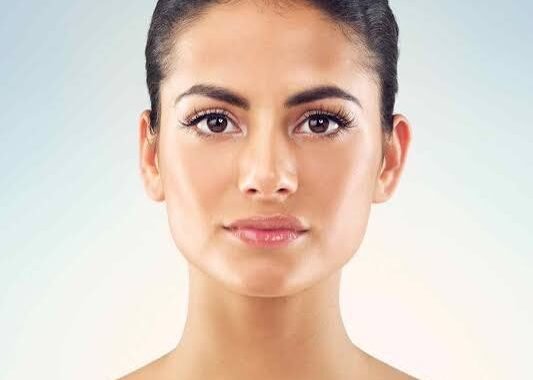
Light olive undertones describe a fair or pale complexion carrying a green or gray cast beneath the surface, distinct from the warm, cool, or neutral categories most color systems rely on. This undertone stays fixed regardless of depth, which is exactly why it can appear on skin pale enough to need the lightest foundation shade available.
Light Olive vs. Medium and Deep Olive
Light olive undertones carry the same green-gray base found in medium and deep olive skin, but at a much fairer depth, which often makes the cast more noticeable rather than less. Because most people associate the word “olive” with a deeper, tanned appearance, fair-skinned people with this undertone are frequently the last to recognize it in themselves. This mismatch between expectation and reality is one of the most consistent themes reported by people describing their own light olive undertones.
Why Light Olive Undertones Get Mistaken for Warm or Cool
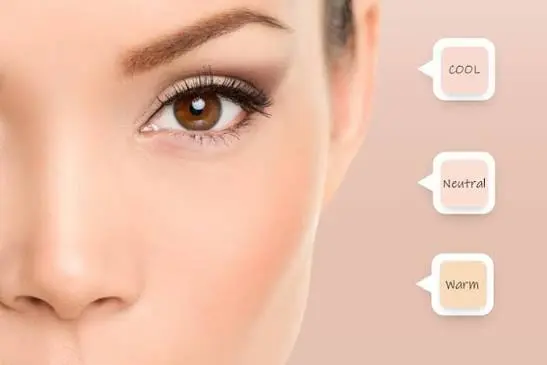
Standard color systems assume warm skin looks golden and cool skin looks pink, without accounting for a fair complexion that does neither cleanly. People with light olive undertones frequently get told they are warm because of golden hair or hazel eyes, then discover that warm-toned products turn their skin yellow or orange. Others get told they are cool due to blue-toned veins, only to find that cool foundations leave a pink or ashy cast instead.
Common Struggles With Fair Olive Undertones
The frustration surrounding fair olive undertones shows up consistently across personal accounts, beauty forums, and comment sections, revealing a pattern rather than isolated bad luck.
The “Neither Warm Nor Cool” Problem
The most frequently reported struggle is a sense of not fitting cleanly into any single undertone category, with warm shades looking too yellow, cool shades looking too pink, and neutral shades still somehow slightly off. This is not indecision or confusion on the person’s part; it reflects the fact that light olive undertones combine a warm or cool secondary lean with a separate green-gray base layer that most systems never test for directly.
Foundation Oxidation
Foundation formulated for standard warm or cool skin frequently oxidizes unpredictably on light olive undertones, shifting orange, ashy, or grey within a few hours of application. This happens because the formula was never designed to interact with the specific pigment combination responsible for the green cast, leading to a visible color shift that a swatch test in-store often fails to predict.
Looking Sallow in the Wrong Colors
Many people with fair olive undertones report looking noticeably unwell, tired, or sallow in colors that should theoretically suit fair skin, particularly warm pastels, mustard tones, and certain golds. This reaction is a strong, specific sign of the green cast reacting poorly against colors that amplify rather than counteract it.
How to Identify Light Olive Skin Undertones
Confirming light olive skin undertones works best through a combination of simple tests rather than any single check, since the fair depth can make some signals harder to read in isolation. Comparing the inner arm to a plain white or off-white fabric in natural daylight often reveals a subtle green or grayish cast that is easy to miss under artificial lighting. For a full reference chart covering vein color, jewelry preference, and foundation matching across all olive depths, this olive undertone chart provides a scannable comparison to check results against.
Foundation Tips for Pale Olive Undertones
Once light olive undertones are confirmed, foundation shopping becomes considerably less frustrating with a few targeted adjustments.
Color-Correcting for a Green Cast
Many people with pale olive undertones find that adding a small amount of a peach- or pink-toned corrector helps balance an overly green or grey foundation result, particularly in formulas not designed with this undertone in mind. Others find the opposite works better, using a very subtle green-tinted product to even out redness first before applying a lighter, more neutral foundation on top. Since results vary by individual, testing small amounts on the jawline before committing to a full application remains the safest approach.
Foundation Shades That Tend to Work
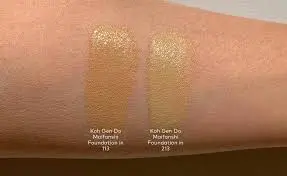
Shades labeled specifically for fair or light olive, neutral-olive, or cool-olive tend to outperform generic fair, warm, or cool shades built without this undertone in mind. Swatching along the jawline in natural daylight, then waiting several minutes to check for oxidation, remains the most reliable way to confirm a genuine match before purchase.
Best Colors for Light Olive Undertones
Color choice makes a noticeable difference for people with fair olive undertones, often more dramatically than for other skin types.
Colors That Flatter
Deep, slightly muted jewel tones such as emerald, forest green, plum, and deep berry tend to complement light olive undertones consistently, along with dusty rose and cooler cream shades. Black and darker neutrals also tend to perform well, offering contrast without clashing against the green cast the way brighter or warmer shades often do.
Colors to Avoid
Warm pastels, mustard, golden yellow, and overly warm beige tend to bring out sallowness in light olive undertones rather than adding warmth. Very icy, stark whites and blue-based purples can also clash, often appearing to compete with the underlying green rather than complementing it.
Why Light Olive Undertones Are More Common Than People Think
Light olive undertones are frequently associated with Eastern European, Slavic, and certain Mediterranean ancestries, though the trait can appear across many other backgrounds as well. The sheer volume of people describing nearly identical experiences, from foundation mismatches to the same specific color struggles, suggests this undertone is far more widespread than beauty marketing has historically acknowledged. Recognizing this pattern as common rather than unusual can make the identification process feel considerably less isolating.
Frequently Asked Questions
What are light olive undertones? Light olive undertones describe a fair or pale complexion with a green or gray cast layered beneath the surface, distinct from standard warm, cool, or neutral categories.
Why do I look sickly in colors that should suit fair skin? This usually happens when a color amplifies the green cast common in light olive undertones, particularly warm pastels, mustard tones, and certain golds.
Why does my foundation keep turning orange or ashy? Foundation not formulated for the green-gray base in fair olive undertones often oxidizes unpredictably, shifting color within a few hours regardless of how well it matched in-store.
Are light olive undertones warm or cool? Neither exclusively. Light olive undertones carry a separate green-gray base that can sit alongside either a warm or cool secondary lean, which is why single-category systems often fail to describe them accurately.
What colors work best for pale olive undertones? Deep jewel tones like emerald and plum, along with dusty rose and darker neutrals, tend to flatter fair olive undertones more consistently than warm pastels or icy brights.
Are light olive undertones rare? No. They appear frequently across several ancestries, and the volume of people reporting nearly identical struggles suggests this undertone is common rather than unusual.
Final Thoughts
Light olive undertones create more foundation and color confusion than most other skin types largely because standard warm-cool systems were never built to account for a fair complexion carrying a green-gray base. Understanding the specific struggles tied to fair olive undertones, from oxidizing foundation to sallow-looking pastels, turns a frustrating trial-and-error process into a much more targeted one. Once this undertone is properly identified, choosing foundation shades and colors becomes a far more confident decision rather than a repeated guessing game. Recognizing just how common light olive undertones actually are should also make the identification process feel a lot less isolating.