
Intro
An olive undertone chart turns scattered advice about shades, tests, and colors into something that can actually be scanned in seconds rather than read paragraph by paragraph. Most guides describe olive skin in prose, which makes it hard to quickly check a specific shade range or compare test results side by side. This article organizes everything into a proper olive undertone chart format, covering depth, foundation shades, test signals, and color recommendations in clear, reference-style tables. By the end, this olive skin chart should work as a page worth bookmarking and returning to, rather than one long article to reread each time.
Table of Contents
Why an Olive Undertone Chart Works Better Than Prose Alone
A chart format works better than prose for this particular topic because olive undertone involves several variables at once: depth, warm or cool lean, and specific shade ranges. Trying to hold all of that in a paragraph makes it easy to lose track of which detail applies to which situation. Breaking the same information into tables allows for a quick side-by-side comparison, which matches how most people actually use this kind of reference in practice, whether they are shopping for foundation or picking an outfit.
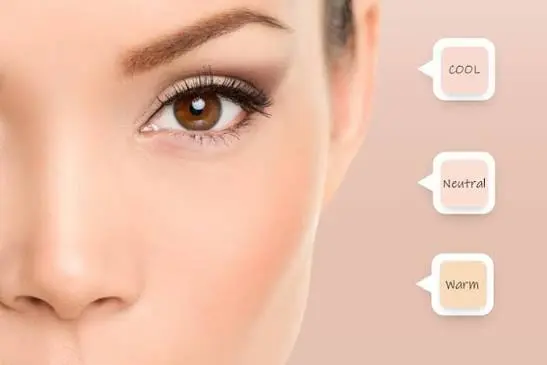
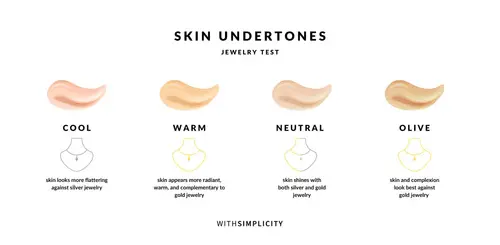
The Undertone Chart: Warm, Cool, Neutral, and Olive Compared
| Undertone | Vein Color | Jewelry Preference | Defining Trait |
|---|---|---|---|
| Warm | Green | Gold | Yellow, golden, or peachy surface tone |
| Cool | Blue or purple | Silver | Pink, red, or bluish surface tone |
| Neutral | Blue-green mix | Both equally | Balanced warm-cool with no strong lean |
| Olive | Blue-green or teal | Both equally | Green-gray cast layered beneath warm or cool base |
This undertone chart makes one thing clear right away: olive and neutral can look similar on paper, but olive specifically adds a green-gray cast that neutral undertone does not carry. Referencing this chart before diving into shade or color charts helps frame everything that follows.
Olive Undertone Shade Chart by Depth
| Depth | General Appearance | Approximate Hex Range | Common Undertone Lean |
|---|---|---|---|
| Light Olive | Fair base with faint green-gray cast | #E8D5C4 to #D9C0A8 | Often balanced or slightly cool |
| Medium Olive | Golden warmth with visible green-gray cast | #C9A583 to #B08D66 | Most commonly warm-leaning |
| Deep Olive | Rich brown pigment with green-gray cast | #8C6E52 to #6B4F3A | Can lean either warm or cool |
This olive undertone shade chart is meant as a general reference rather than an exact match for every individual, since two people at the same depth can still carry different secondary undertones. Pairing this chart with an actual test result, rather than relying on depth alone, gives a far more accurate picture.
Olive Undertone Chart for Foundation Matching
| Undertone Lean | Look For | Avoid |
|---|---|---|
| Warm-Leaning Olive | Warm beige, golden beige, warm olive | Pink-beige, cool ivory, porcelain |
| Cool-Leaning Olive | Cool beige, cool sand, neutral-cool | Yellow-beige, warm sand, golden beige |
| Balanced/Neutral-Olive | Neutral-olive, golden-olive | Strongly warm or strongly cool formulas |
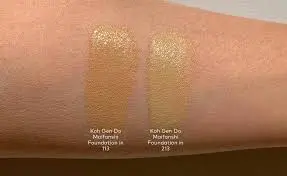
This foundation-focused olive undertone chart works best after confirming an undertone lean through direct testing, since guessing depth alone tends to produce a shade that is close but not quite right. Swatching along the jawline in natural daylight remains the final confirmation step, regardless of which row of the chart applies.
Olive Skin Chart: Test Signals at a Glance
| Test | Warm-Leaning Result | Cool-Leaning Result | Inconclusive Result |
|---|---|---|---|
| Vein Test | Green veins | Blue or purple veins | Blue-green or teal veins |
| Jewelry Test | Gold flatters more | Silver flatters more | Both look equally good |
| White Paper Test | Skin looks golden | Skin looks pink | Skin looks distinctly greenish |
| Foundation Test | Warm shade blends best | Cool shade blends best | Neutral-olive shade blends best |
This olive skin chart is designed to be used alongside actual testing rather than in place of it. For full, step-by-step instructions on running each of these four tests and scoring the results, this guide on the olive undertone test walks through the complete process, including a simple point-based quiz.
Olive Undertone Chart for Best and Worst Colors
| Undertone Lean | Best Colors | Colors to Avoid |
|---|---|---|
| Warm-Leaning Olive | Terracotta, rust, olive green, mustard, warm burgundy | Icy pastels, stark white, cool grey, lavender |
| Cool-Leaning Olive | Emerald, sapphire, plum, dusty rose, cool taupe | Orange, mustard, warm brown, golden yellow |
| Balanced/Neutral-Olive | Deep jewel tones, earthy neutrals, muted berries | Neon shades, overly bright or overly icy extremes |
This color-focused olive undertone chart applies to both clothing and makeup shades, since the same warm-cool logic drives blush, lipstick, and bronzer selection just as much as it drives wardrobe choices. Testing a new color in natural daylight before committing to a full look remains the simplest way to confirm the chart’s suggestion in person.
How to Use This Chart With Your Own Test Results
The most effective way to use this olive undertone chart is to run the four identification tests first, then match the results against the relevant rows across each table above. Someone who gets a warm-leaning result from testing, for example, can go directly to the warm-leaning rows in the foundation and color charts rather than reading through every option. This chart-first approach saves time compared to searching through long-form articles for the same information, especially when returning to check a detail weeks or months later.
Frequently Asked Questions
What is an olive undertone chart used for? An olive undertone chart organizes shade, testing, and color information into scannable tables, making it easier to quickly reference specific details instead of rereading a full article.
How accurate is a general olive undertone shade chart? It offers a useful starting range, but individual variation means actual testing and in-person swatching remain necessary for a precise match.
Can I use this olive skin chart without doing any testing first? It works best when paired with actual test results, since depth alone does not reveal whether someone leans warm, cool, or balanced within the olive category.
Does this undertone chart apply to both makeup and clothing? Yes. The same warm-cool logic behind foundation matching also applies to blush, lipstick, bronzer, and clothing color choices.
Why does the chart list a range of hex codes instead of one exact code? Because olive skin varies by depth and individual undertone, a single hex code cannot represent the full range accurately, so a range offers a more honest reference point.
What should I do if my test results don’t clearly match one row in the chart? Treating the result as balanced or neutral-olive and choosing products from that row is a reasonable, practical approach when results are genuinely mixed.
Final Thoughts
An olive undertone chart works best as a quick-reference companion to actual testing, rather than a replacement for it, since depth and undertone lean both need to be confirmed before any chart becomes truly useful. Organizing shade ranges, test signals, and color recommendations into scannable tables removes a lot of the rereading that prose-only guides tend to require. Whether the goal is foundation shopping, building a wardrobe, or simply understanding where a specific result fits, this olive undertone chart is designed to answer that question in seconds rather than paragraphs. Bookmarking this page alongside a completed test result should make future olive skin decisions considerably faster.