

Intro
Olive skin tone ethnicity is far broader than most people assume, spanning dozens of countries across Southern Europe, the Middle East, South Asia, Latin America, North Africa, and Eastern Europe. Despite the strong cultural association with the Mediterranean, olive skin tone ethnicity is not limited to any single race or region, since it comes down to a genetic pattern that appears across many different populations worldwide. This guide breaks down exactly what ethnicity has olive skin, how genetics and geography connect to it, and why race alone can never fully explain who ends up with this undertone. By the end, the connection between olive skin tone ethnicity and the populations that carry it should feel much clearer.
Table of Contents
What Determines Olive Skin Tone Ethnicity?
Olive skin tone ethnicity is shaped by genetics and ancestry, but the trait itself is defined by undertone rather than by race in the strict biological sense. Understanding this distinction is the first step toward answering what ethnicity has olive skin accurately.
Undertone vs. Ethnic Background
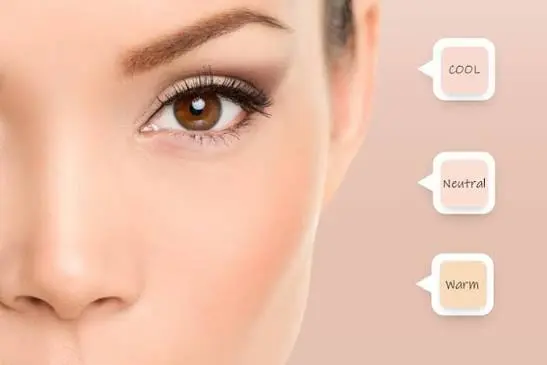
Undertone is the subtle green or gray cast beneath the skin’s surface, while ethnicity refers to shared ancestry, culture, and genetic heritage. Olive skin tone ethnicity connects these two ideas because certain ancestral populations carry the specific melanin balance that produces this undertone more frequently than others. This does not mean every person from a given ethnic background will have olive skin, only that the trait shows up more commonly within certain ancestral groups.
The Role of Genetics and Melanin
Olive skin results from a particular balance of eumelanin and pheomelanin, the two pigments responsible for skin color, combined with how blood vessels and collagen reflect light beneath the surface. Populations that have lived for many generations in regions with strong, consistent sun exposure tend to carry genetic adaptations that favor this pigment balance. This is part of why olive skin tone ethnicity clusters so strongly around specific geographic regions rather than appearing randomly across the globe.
What Ethnicity Has Olive Skin? A Region-by-Region Breakdown
Answering what ethnicity has olive skin requires looking at population data region by region, since the trait appears with different frequency and depth across the world.
Mediterranean and Southern Europe
Greece, Spain, Italy, Turkey, and parts of France are among the most widely recognized examples of olive skin tone ethnicity in Europe. Portugal also carries a notable olive-skinned population, and even Russia and Ukraine report a meaningful presence of olive undertone, which often surprises people who associate the trait only with warmer southern climates. Europeans with olive skin tend to sit toward the paler end of the spectrum compared to populations in Asia, Latin America, or the Middle East, though this is far from a strict rule.
Middle Eastern Olive Skin
Middle Eastern olive skin appears prominently across Yemen, Kuwait, the United Arab Emirates, Saudi Arabia, Oman, and Lebanon, among other countries in the region. A significant share of the population in these countries carries some of the deeper olive tones found anywhere in the world, alongside tan and dark brown complexions. Middle Eastern olive skin is frequently the reference point people picture when they hear the term, even though it represents only one part of a much larger global pattern.
South Asian Populations
India, Pakistan, Bangladesh, Nepal, Sri Lanka, Bhutan, and the Maldives all appear on lists of countries with strong olive skin tone ethnicity. Skin color across this region ranges widely from fair to deep brown, with olive undertone showing up across much of that range rather than being limited to one specific depth. Most people in this region actually carry darker skin overall, but the underlying olive undertone remains a consistent thread across many of these populations.
Latin American and Central American Populations
Mexico, Honduras, Paraguay, Colombia, Argentina, and Costa Rica are commonly associated with olive skin tone ethnicity in Latin America. While many people from this region are typically described as having tan or brown skin, a substantial portion of that population also carries the green-gold undertone that defines true olive skin. This overlap between depth and undertone is exactly why Latin American olive skin gets frequently mislabeled under broader “tan” or “brown” categories.
North African Populations
Tunisia, Morocco, Algeria, and Egypt all show olive skin tone ethnicity at levels comparable to parts of the Middle East and Latin America. Skin texture and depth can vary noticeably even within these countries, and research suggests these differences occur across ethnic groups broadly rather than being isolated to any single nation. North Africa is frequently underrepresented in mainstream discussions of olive skin tone ethnicity, despite the trait’s clear presence across the region.
Eastern European Populations
Ukraine carries a fair share of people with olive-toned skin, and Russia has documented olive skin tone ethnicity as well, even though neither country fits the typical stereotype associated with the term. Olive skin tone ethnicity in Eastern Europe tends to lean paler and more muted than examples from the Middle East or South Asia, but the underlying green-gray undertone remains the same defining trait. This regional presence is one of the clearest examples of why geography alone cannot fully explain the pattern.
Races With Olive Skin: Is It Tied to Race or Region?
Races with olive skin span multiple continents and racial categories, which is exactly why treating olive skin tone ethnicity as tied to a single race oversimplifies the biology involved. The trait clusters around ancestral populations from specific geographic regions rather than around race as commonly defined in social or political terms, since people classified under the same broad racial category can have very different undertones depending on their specific ancestry. Framing this as a regional and genetic pattern, rather than a racial one, gives a far more accurate picture of who actually has olive skin and why.
The Fitzpatrick Scale and Olive Skin Tone Ethnicity
The Fitzpatrick Scale, created in 1975 to measure how skin reacts to sun exposure, offers a useful reference point for understanding olive skin tone ethnicity, even though it was never designed to measure undertone directly.
Type III Olive Skin
Type III skin on the Fitzpatrick Scale typically includes moderate brown and olive tones, often mildly burning before gradually developing a tan. This pattern shows up frequently among people with Indian and Pakistani ancestry, though it also appears across many other Middle Eastern and Asian populations. Type III is generally considered a lighter to medium expression of olive skin tone ethnicity.
Type IV Olive Skin
Type IV skin combines darker brown tones with a stronger green undertone, and it rarely burns while tanning easily and consistently. This pattern appears commonly among people from Bangladesh and Sri Lanka, among many other populations across South Asia, the Middle East, and parts of Latin America. Type IV represents a deeper expression of the same underlying olive skin tone ethnicity found at the Type III level.
Common Misconceptions About Olive Skin Tone Ethnicity
One persistent misconception is that olive skin tone ethnicity only applies to Mediterranean populations, when in reality it spans dozens of countries across multiple continents. Another common myth assumes olive skin always looks tan or deeply bronzed, though the trait can appear at fair, light, medium, or deep depths depending on the individual. A third misconception treats olive as a fixed racial category rather than a genetic pattern shaped by ancestry and geography, which oversimplifies a trait that actually crosses many racial and ethnic lines. For a closer look at what this undertone actually looks like across these different depths, this guide on olive skin color breaks down the visual range in more detail.
How to Identify Olive Skin Regardless of Ethnicity
Regardless of ethnic background, a couple of simple, well-known tests can help confirm whether someone actually has olive skin.
The Vein Test
Looking at the veins on the inner wrist in natural daylight is the most common method. Veins that look distinctly green, or a mix of green and blue, usually point toward an olive undertone, while purely blue veins suggest a cooler one instead.
The Foundation Test
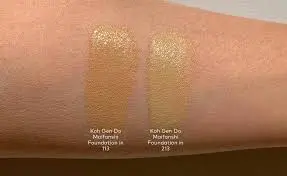
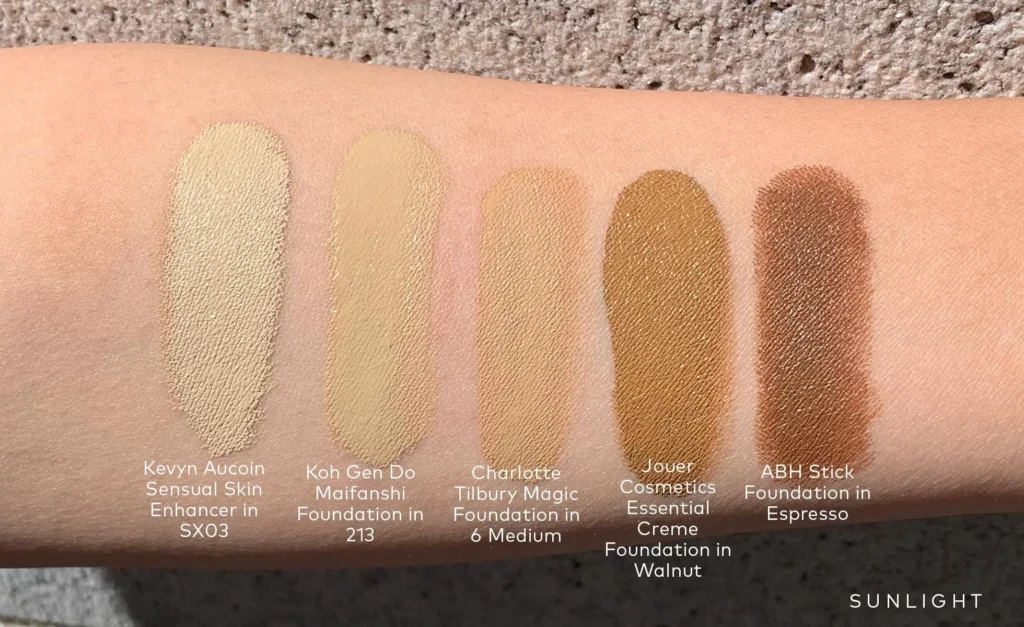
Foundation shopping often reveals olive undertone before any deliberate test does. Warm shades tend to oxidize into orange, cool shades can look pink or ashy, and even neutral shades sometimes still feel slightly off, which is a strong sign of true olive undertone regardless of ethnic background.
Frequently Asked Questions
What ethnicity has olive skin? Olive skin tone ethnicity appears most commonly among people with Mediterranean, Middle Eastern, South Asian, Latin American, North African, and some Eastern European ancestry.
Is olive skin tone ethnicity tied to a specific race? No. Races with olive skin span multiple continents and racial categories, since the trait is driven by genetics and regional ancestry rather than race alone.
Which countries have the most people with olive skin? Countries commonly cited for high rates of olive skin tone ethnicity include India, Pakistan, Turkey, Italy, Greece, Egypt, and several countries across the Middle East and Latin America.
Does Middle Eastern olive skin look different from Mediterranean olive skin? Not fundamentally. Both share the same green-gray undertone, though Middle Eastern olive skin often appears slightly deeper on average compared to some Mediterranean populations.
Can someone have olive skin outside of these regions? Yes. While olive skin tone ethnicity clusters around specific regions, individual genetics mean the trait can appear in people from almost any background.
How does the Fitzpatrick Scale relate to olive skin tone ethnicity? Olive skin most often falls into Fitzpatrick Type III or Type IV, which describe moderate brown to deeper brown-green skin that tans easily and rarely burns.
Final Thoughts
Olive skin tone ethnicity reaches far beyond the Mediterranean stereotype most people default to, spanning Southern Europe, the Middle East, South Asia, Latin America, North Africa, and even parts of Eastern Europe. What actually connects these populations is not race in the strict sense, but a shared genetic pattern involving eumelanin, pheomelanin, and how the skin reflects light beneath its surface. Understanding what ethnicity has olive skin, and recognizing that races with olive skin span multiple continents, replaces an oversimplified stereotype with a far more accurate picture. Once this regional and genetic pattern is clear, olive skin tone ethnicity becomes a much easier concept to explain and recognize.